







The Allure of a Natural Cure
We’ve all been there: a dull, persistent ache wraps around your head, making it hard to focus. This is the signature of a tension-type headache, the most common form of headache. In these moments, many of us are hesitant to immediately reach for over-the-counter
painkillers, especially if headaches are frequent. The search for a gentler alternative often leads to herbal remedies, with peppermint being a perennial favourite. The idea of using something as simple and accessible as a tea bag feels empowering. It's a return to traditional wisdom, a way to take control of our well-being using ingredients from our own kitchen. This desire for natural solutions is strong, but it's crucial to distinguish between what feels good and what is clinically effective.
The Science: It's About Menthol
The logic behind using peppermint for headaches isn't just folklore; it centres on its primary active compound: menthol. When applied topically, menthol creates a cooling sensation on the skin. This sensation is believed to work in a couple of ways. Firstly, it can act as a counter-irritant, essentially creating a new, distracting sensation that makes the pain from the headache less noticeable. Secondly, menthol may help relax muscles and stimulate blood flow in the forehead when applied to the skin. Some research has shown that menthol can interact with the body's pain-signalling pathways. Clinical studies have specifically looked at topical solutions of peppermint oil—not tea—for tension headaches. A notable German study from 1996 found that a 10% peppermint oil solution in ethanol, when applied to the forehead and temples, was significantly more effective than a placebo and had an efficacy comparable to taking 1,000 mg of acetaminophen.
The Tea Bag vs. The Oil
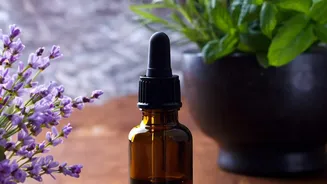
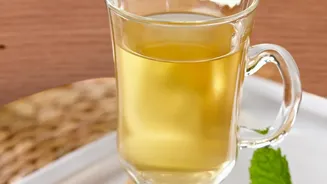
Here's the critical distinction many social media posts and wellness blogs miss: the peppermint used in scientific studies is a highly concentrated essential oil, often in a 10% solution. A tea bag, on the other hand, contains dried peppermint leaves. While it will release some menthol when steeped in water, the concentration is dramatically lower than what's found in an essential oil. Applying a cool, damp tea bag to your forehead will primarily provide relief through the cold temperature, which can help constrict blood vessels and numb the area slightly. The amount of menthol absorbed through the skin from a tea bag compress is likely minimal and not enough to produce the clinical effects seen in studies that use potent oil solutions. While drinking peppermint tea may help with relaxation and alertness, applying the bag topically is a different matter.
The Power of Ritual and Placebo
So, is it all in our heads? Not exactly. The placebo effect is a real and powerful phenomenon in pain management. Studies on headache treatments consistently show a significant placebo response, where patients report improvement even from an inactive treatment. The very act of doing something to care for yourself—like lying down in a quiet room with a cool compress on your forehead—can reduce stress and ease tension, contributing to pain relief. The gentle scent of peppermint can be calming, and the focused ritual provides a mental break. This doesn't make the relief any less real, but it helps explain why a peppermint tea compress might feel effective even without a strong dose of active ingredients.
Know When to Seek Medical Advice
A peppermint tea compress is a low-risk, soothing ritual for a mild tension headache. However, it is not a substitute for medical treatment. Relying solely on herbal remedies can be problematic if your headaches are severe, frequent (occurring more than 15 days a month), or accompanied by other symptoms like nausea, visual disturbances, or dizziness. These could be signs of migraines or a more serious underlying condition. Furthermore, it's important to be cautious with concentrated peppermint oil. Applying it undiluted directly to the skin can cause irritation, rashes, or allergic reactions. Always dilute essential oils in a carrier oil (like coconut or almond oil) and perform a patch test first.