




The Classic, Perfected: Sunth Panjiri Ladoos
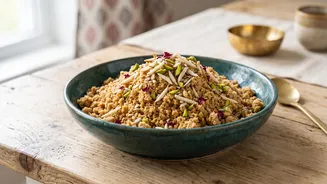
The simplest way to update a classic is often the most effective. Sunth Panjiri, traditionally a loose, crumbly mixture, can sometimes be messy to serve and eat, especially amidst festive gatherings. The modern solution is brilliantly simple: turn it into
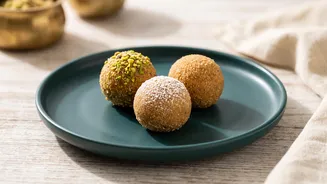
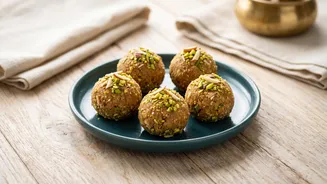
ladoos. This adaptation makes the nutritious sweet perfectly portioned, portable, and incredibly convenient. The process remains rooted in tradition. You begin by roasting whole wheat flour (atta) in a generous amount of ghee until it turns golden brown and releases a nutty aroma. This slow-roasting is key to developing a deep, complex flavour. Into this go the classic ingredients: powdered ginger (sunth) for warmth and digestion, edible gum (gond) fried until it puffs up for a delightful crunch, and a wealth of nuts like almonds and cashews. To bind this mixture, you simply add a little more melted ghee. As you mix, the warmth allows the ingredients to come together. You then take portions of the warm mixture and press them firmly between your palms, rolling them into dense, flavour-packed balls. These ladoos retain all the wholesome goodness and rustic flavour of traditional Panjiri but in a clean, elegant, and easy-to-distribute form, making them an ideal prasad for sharing with family and friends.
The Fusion Showstopper: Sunth Panjiri Tarts
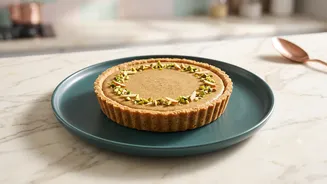
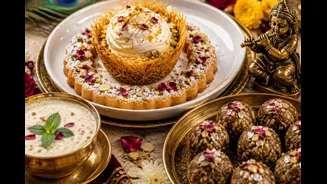
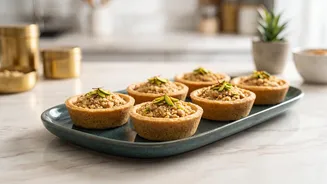
For those who love a bit of culinary fusion, the Sunth Panjiri Tart is a revelation. This creative twist elevates the humble sweet into a sophisticated dessert worthy of any celebratory table. It masterfully combines the textures of a buttery, crisp Western-style tart shell with the spiced, nutty, and rustic filling of Indian Panjiri. The recipe involves a two-part process. First, you prepare the tart shells. A simple dough of wheat flour, ghee, and a pinch of salt is kneaded, chilled, and then pressed into tart moulds. These shells are often blind-baked—baked with weights like dry beans inside—to ensure they hold their shape and become perfectly crisp. While the shells cool, you prepare the Panjiri filling. This follows the traditional method of roasting flour and mixing it with ghee, powdered ginger, sugar, and a coarse mixture of roasted nuts like almonds, cashews, and pistachios. Once the tart shells are ready, the warm, aromatic Panjiri mixture is generously spooned into them. The tarts can be garnished with slivered almonds, pistachios, or even a drizzle of caramel for an extra touch of elegance. The result is a delightful contrast in every bite: the crunchy, crumbly shell giving way to a soft, fragrant, and richly textured filling. It’s a modern masterpiece that honours its roots while dazzling the senses.
The Healthy Indulgence: Panjiri Energy Bites
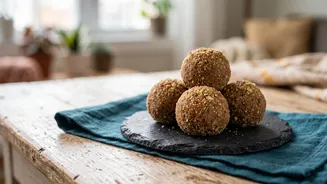
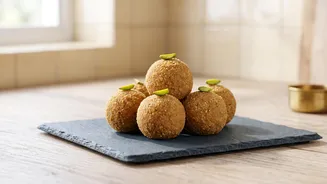
In an era of mindful eating, even festive sweets are getting a healthy makeover. The Panjiri Energy Bite is the perfect example, transforming the traditional recipe into a power-packed, guilt-free snack. This version often dials down the ghee and refined sugar, leaning on naturally sweet and binding ingredients to bring it all together. The base might still use whole wheat flour, but some variations use alternative flours like almond flour or oats for a different nutritional profile. The key innovation lies in the binder. Instead of relying solely on ghee and sugar, these energy bites often incorporate dates, which are soaked and blended into a thick paste. This date paste not only provides natural sweetness but also helps bind the roasted flour, nuts, and seeds. A variety of seeds, such as flax, sesame, and pumpkin seeds, are often added to boost the fibre and nutrient content. The traditional sunth (dried ginger) and other warming spices like cardamom remain essential for that classic Panjiri flavour. Once all the ingredients are mixed, the dense, sticky mixture is rolled into small, bite-sized balls. These energy bites are perfect for breaking a fast or as a quick, energising snack to keep you going through the day's celebrations. They prove that you can honour tradition without compromising on modern health goals.