
Meet PRIMA: NASA's New Cosmic Detective
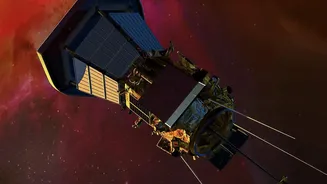
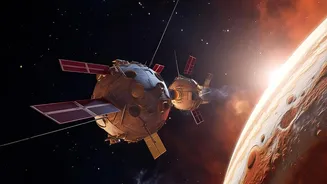
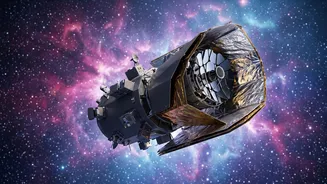
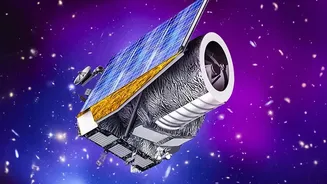
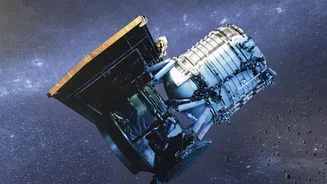
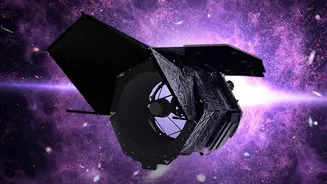
PRIMA, which stands for the Probe far-Infrared Mission for Astrophysics, is the first mission selected for NASA's new Probe Explorers program. This new class of mission is designed to be more powerful and ambitious than smaller projects but more cost-effective
than flagship observatories like the James Webb Space Telescope (JWST), with a cost cap of around $1.2 billion. Following a recommendation from the scientific community, PRIMA was chosen to enter the next phase of its development, with a targeted launch no earlier than 2033 for a five-year mission. It features a 1.8-metre (5.9-foot) mirror and will be operated by NASA's Jet Propulsion Laboratory.
The Universe's Hidden Colours
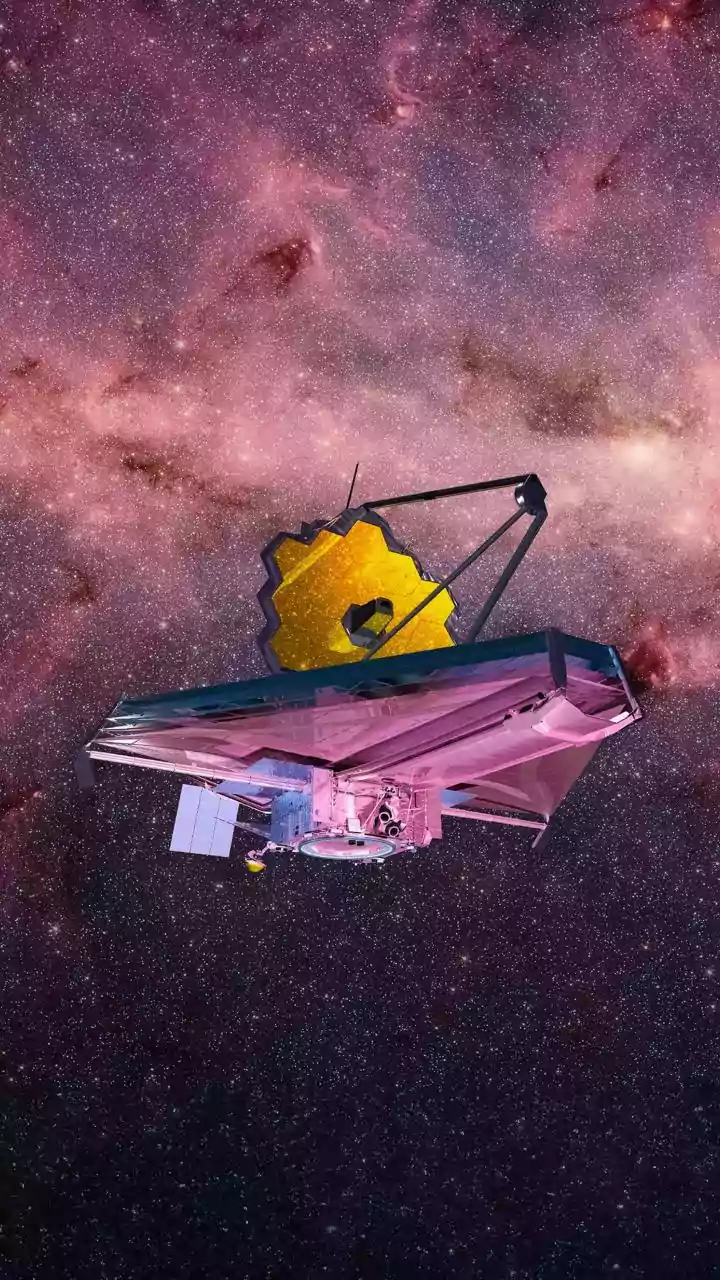
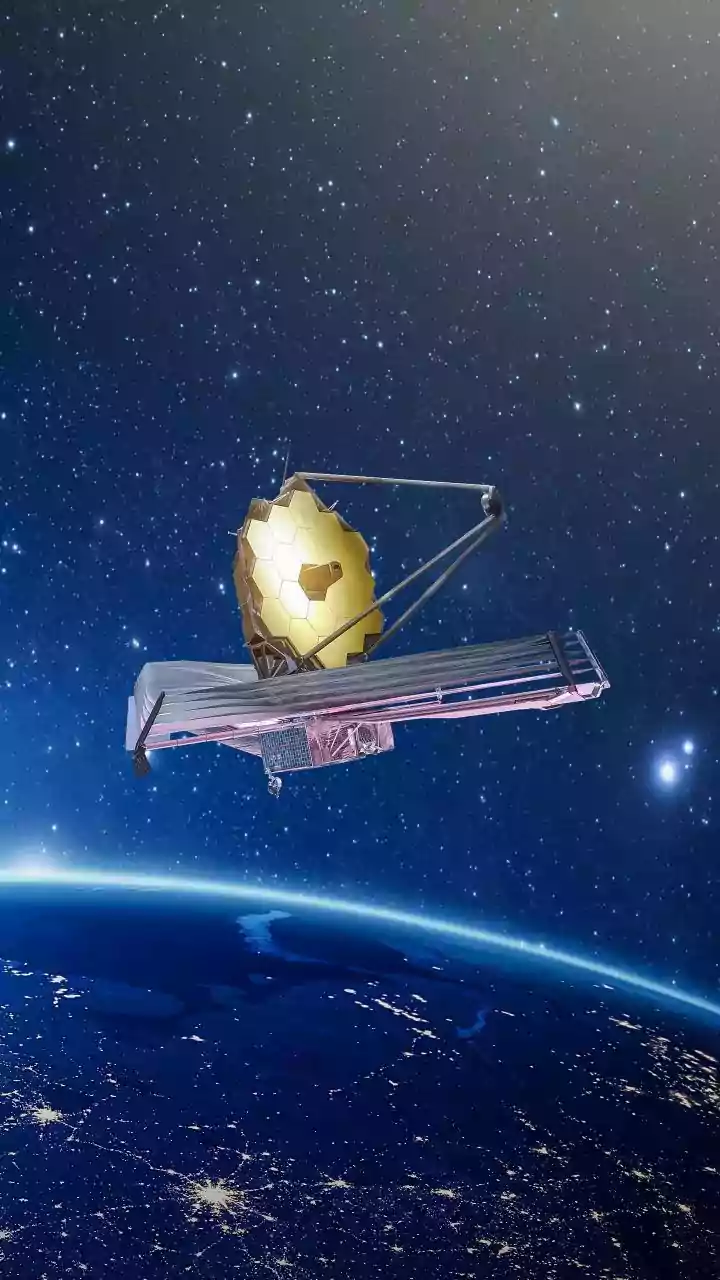
Modern astronomy uses different telescopes to see various types of light, or wavelengths, much like a radio cycles through different frequencies. While optical telescopes see the light our eyes can, telescopes like JWST are designed to see in near- and mid-infrared light. On the other end of the spectrum, ground-based observatories like the Atacama Large Millimeter/submillimeter Array (ALMA) detect long-wavelength radio waves. However, there has been a significant blind spot between them: the far-infrared spectrum. This light is crucial for understanding the 'cool' universe—objects like cold dust and gas that don't glow brightly in other wavelengths but hold the secrets to how stars and planets are born. Earth's atmosphere blocks this light, making a space-based telescope essential.
A Bridge Between Giants
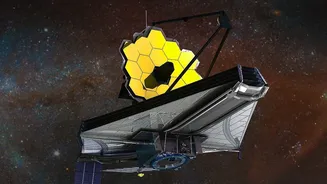
PRIMA is not a replacement for Webb but a crucial partner. It’s designed to perfectly complement JWST and radio telescopes. Think of it this way: JWST is excellent at seeing the hot, inner parts of planet-forming disks around young stars, while ALMA can see the frigid, outer edges. PRIMA will survey the vast territory in between, observing at wavelengths from 24 to 235 microns—beyond Webb's limit of about 28.5 microns. This unique capability will allow scientists to connect the dots, creating a complete picture of cosmic evolution that is currently impossible to assemble.
The Hunt for Water and Cosmic Origins
With its unique vision, PRIMA will tackle some of the biggest questions in astrophysics. One of its primary goals is to trace the journey of water through the universe, from interstellar clouds to planet-forming disks. The specific signatures of water are only visible in the far-infrared, meaning Webb cannot track it in the same way. Beyond that, PRIMA will investigate how galaxies evolve, how supermassive black holes grow, and how the first heavy elements and cosmic dust spread through the universe. By peering through dense dust clouds that are opaque to other telescopes, PRIMA will reveal the hidden nurseries of stars and planetary systems.
Technology for a Cold Gaze
To detect the faint heat from the coldest objects in the cosmos, PRIMA itself must be incredibly cold. The telescope and its scientific instruments will be cryogenically cooled to just a few degrees above absolute zero. This extreme cooling prevents the telescope's own heat from creating thermal 'noise' that would otherwise overwhelm the faint signals from deep space. This makes PRIMA orders of magnitude more sensitive than previous far-infrared missions like the Herschel and Spitzer space telescopes. Its two main instruments, an imaging polarimeter and a high-resolution spectrometer, will provide astronomers with unprecedented data about the cool cosmos.