



The Central Development: Understanding Beta-Glucan
The key reason barley is drawing so much attention lies in its high concentration of a specific soluble fibre called beta-glucan. While also found in oats, studies suggest the beta-glucan in barley is particularly effective at managing blood sugar. This
isn't just a health food trend; it's a development rooted in food science. When you eat barley, the beta-glucan absorbs water in your digestive tract and forms a thick, gel-like substance. This gel physically slows down digestion and the absorption of carbohydrates and sugar into the bloodstream. The result is a slower, more gradual rise in blood glucose levels after a meal, preventing the sharp spikes and subsequent crashes that can wreak havoc on your energy and long-term health. This mechanism is the central development that has nutritionists and health experts increasingly recommending barley for metabolic health.
A Low Glycemic Index Champion
Beyond its unique fibre, barley boasts one of the lowest glycemic index (GI) scores of all grains. The glycemic index is a scale that ranks carbohydrate-containing foods by how much they raise blood glucose levels. With a GI score around 28 to 30, barley is firmly in the 'low' category, significantly lower than even other healthy grains like oatmeal and brown rice. This low GI score means it provides a slow and steady release of energy, making it an ideal choice for breakfast. Starting your day with a low-GI meal can improve insulin sensitivity not just for that meal, but for hours afterward, a phenomenon sometimes called the 'second meal effect.' Some studies have shown that eating barley at dinner can lead to better insulin sensitivity after breakfast the next morning.
Hulled vs. Pearled: Making the Right Choice
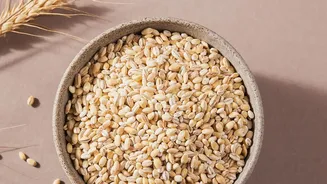
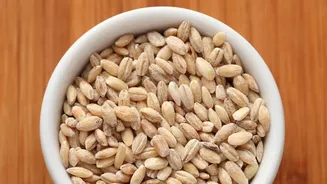
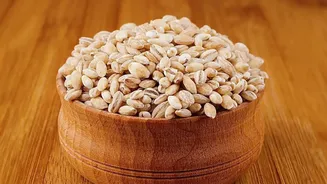
When you head to the store, you'll typically find two main types of barley: hulled and pearled. For maximum blood-sugar benefits, hulled barley is the superior choice. Hulled barley is the whole-grain version, with only the tough, inedible outer husk removed. This means it retains its bran and germ, and therefore the majority of its fibre, vitamins, and minerals. Pearled barley has been polished to remove the bran layer, resulting in a quicker cooking time but significantly less fibre, including the all-important beta-glucan. While pearled barley is still a healthy grain compared to refined options, hulled barley or minimally processed barley flakes offer the most potent benefits for glucose control.
Building Your Perfect Barley Bowl
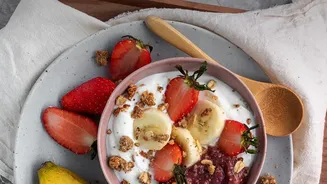
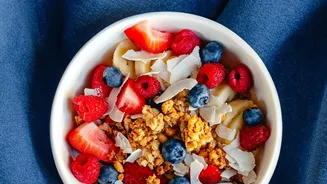
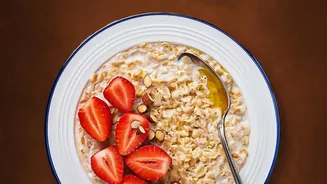
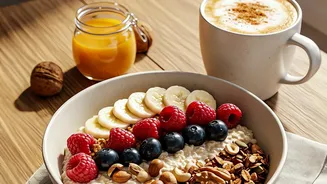
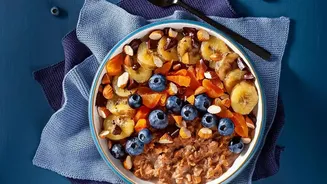
Preparing barley for breakfast is simpler than you might think. You can cook a large batch ahead of time and store it in the refrigerator for several days. A standard serving is about one-half to one cup of cooked barley. To build a balanced, blood-sugar-friendly bowl, start with your cooked barley base. Then, focus on toppings that add healthy fats, protein, and additional fibre. Excellent additions include a sprinkle of nuts like almonds or walnuts, seeds such as chia or flax, and a handful of low-glycemic berries. A dollop of plain Greek yoghurt can add a protein boost. Try to avoid sugary toppings like honey, maple syrup, or sweetened dried fruits, which can counteract the blood-sugar-stabilising effects of the barley itself.
More Than Just Breakfast
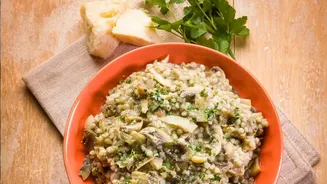
While breakfast bowls are a fantastic way to start your day with barley, its versatility doesn't end there. The chewy texture and nutty flavour make it a wonderful addition to other meals. You can use it as a base for hearty salads, toss it into soups and stews to add body and fibre, or use it as a substitute for rice in pilafs and side dishes. Research has shown that incorporating barley into meals throughout the day can contribute to improved metabolic markers, appetite control, and better overall health. By making it a regular part of your diet, you tap into its benefits for digestion, cholesterol management, and long-term wellness.