


The Versatile Hero: Sabudana
Sabudana, or tapioca pearls, is the undisputed star of fasting cuisine in India for good reason. These pearly white globules are a powerhouse of carbohydrates, providing a quick and easily digestible source of energy to sustain you through the day. What
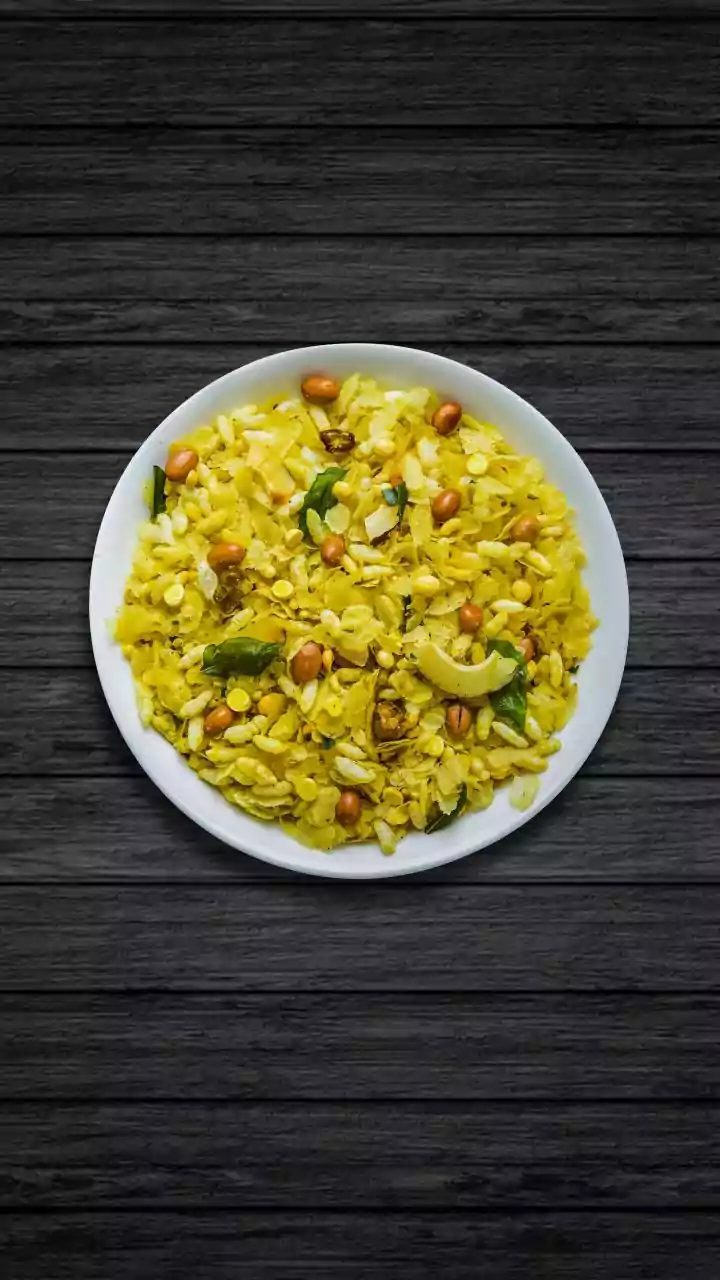
makes sabudana a true vrat champion is its incredible versatility. For a savoury and filling meal, nothing beats a classic Sabudana Khichdi, tossed with roasted peanuts, boiled potatoes, and a hint of green chilli and lemon juice. If you're craving a crispy snack with your evening tea, Sabudana Vadas are the perfect choice. And for those with a sweet tooth, a creamy Sabudana Kheer, simmered in milk and flavoured with cardamom, offers a comforting dessert. By switching between these preparations, you can enjoy sabudana multiple times without feeling like you're eating the same thing.
The Wholesome Flour: Kuttu ka Atta
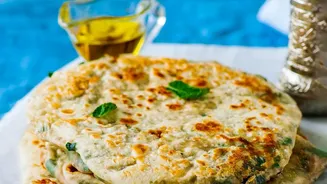
When regular wheat flour is off the menu, Kuttu ka Atta, or buckwheat flour, steps in as a nutritious and flavourful alternative. Despite its name, buckwheat is not a type of wheat but a seed, making it naturally gluten-free and easy on the digestive system. It has an earthy, nutty flavour that pairs beautifully with potatoes. The most popular use is for making crisp Kuttu ki Puris to be enjoyed with a simple vrat-friendly potato curry. This flour is also rich in protein and fibre, which helps you feel full longer and provides sustained energy. You can also get creative and use it to make savoury pancakes (cheelas) or crispy pakoras filled with vrat-allowed vegetables like potato or arbi. Its nutritional profile makes it a healthier choice that adds substance and variety to your fasting diet.
The Healthy Grain: Samak ke Chawal
For those who miss rice during their fast, Samak ke Chawal, also known as barnyard millet, is a fantastic substitute. It looks and cooks like tiny grains of rice but is technically a millet, making it a permitted food during Sawan vrat. Nutritionally, it outperforms many regular grains, being rich in fibre, protein, and essential minerals like iron and magnesium. This combination helps in providing steady energy rather than a quick spike, making you feel satisfied for longer. You can use Samak ke Chawal to prepare a fragrant pulao, cooked with peanuts and mild spices like cumin and black pepper. It can also be ground into flour to make dosas or uttapams, or cooked with milk and jaggery to create a delicious and wholesome kheer.
The Alternative Flour: Singhare ka Atta
Another excellent flour for fasting is Singhare ka Atta, or water chestnut flour. Derived from dried water chestnuts, this flour has a dense, slightly sweet character that sets it apart from kuttu atta. It's a great way to introduce a different taste and texture into your vrat meals. Singhare ka Atta is commonly used to make a rich and decadent halwa, cooked slowly with ghee and sweetened with sugar or jaggery. It's also perfect for making crispy pakode (fritters) on a rainy monsoon evening. Because it is naturally gluten-free and cooling in nature, it is considered very suitable for a sattvic diet. By alternating between kuttu and singhara flour, you can easily keep your meals from becoming repetitive while adhering to all the fasting rules.
The Light Snack: Makhana
During the hours between main meals, hunger pangs can be distracting. This is where Makhana, or fox nuts, come to the rescue. These puffed lotus seeds are incredibly light, crunchy, and satisfying. They are low in calories but rich in nutrients, making them an ideal guilt-free snack. The easiest way to enjoy them is by simply roasting them in a teaspoon of ghee until they are crisp, then sprinkling them with sendha namak (rock salt) and black pepper. For a more elaborate treat, you can prepare Makhana Kheer, which is a lighter alternative to sabudana or rice-based kheers. You can also toss roasted makhana with peanuts and other dry fruits for a simple and portable trail mix that keeps your energy levels up throughout the day.