





Why Soaking Is More Than Tradition
For generations, soaking dals has been a standard step in many Indian kitchens. But this practice is more than just a habit passed down through the years; it's rooted in science. Soaking lentils before cooking them has a significant impact on their nutritional
value, digestibility, and texture. The process helps to break down complex sugars called oligosaccharides, which are a primary cause of bloating and gas. It also neutralizes anti-nutrients like phytic acid and lectins. These compounds can interfere with your body's ability to absorb essential minerals like iron, zinc, and calcium. By soaking, you activate an enzyme called phytase, which helps break down the phytic acid, making the dal's nutrients more available to your body.
The Benefits of a Good Soak
Beyond making dals easier on your stomach, soaking offers several practical advantages. First, it significantly reduces cooking time, in some cases by up to 50%. Hydrated lentils cook faster and more evenly, which saves fuel and time. This leads to a better final texture, ensuring your dal is creamy and soft rather than gritty or unevenly cooked. This is especially true for harder, denser pulses. Soaking essentially kick-starts the cooking process before the dal even hits the heat, ensuring that each grain becomes tender. Many nutritionists and chefs emphasize that this simple step can transform a good dal into a great one, both in taste and health benefits.
A Guide to Soaking Different Dals
Not all dals are created equal, and their soaking times vary depending on their size, density, and whether they are whole or split. Using a one-size-fits-all approach like a standard overnight soak isn't always necessary or effective. Here is a practical guide for some of the most common dals found in Indian kitchens. Remember to always rinse your dal 3-4 times before soaking and to use fresh water for cooking, discarding the soaking water which contains the leached-out anti-nutrients.
Light Dals: Moong and Masoor
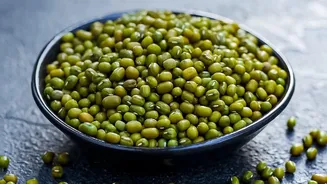
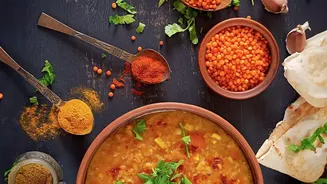
These are some of the quickest-cooking dals. Split yellow Moong Dal and red Masoor Dal are small and absorb water rapidly. For these, a short soak of 15 to 30 minutes is generally sufficient. While they can be cooked without soaking, this brief period helps make them even easier to digest. Whole moong (green gram), however, has its skin intact and benefits from a longer soak of 4 to 6 hours to soften up.
Everyday Staples: Toor Dal
Toor Dal (or Arhar Dal) is a daily staple in many households. Being a bit denser than moong or masoor, it benefits from a longer soak. A minimum of 30 minutes is recommended, but soaking for 1 to 2 hours is ideal. This helps soften the grains, reduces the heavy feeling some people experience after eating it, and ensures a quicker, more even cook in the pressure cooker.
Hearty and Dense: Chana and Urad Dal
These dals are much harder and denser, making soaking non-negotiable for good results. Chana Dal should be soaked for at least 4 to 6 hours to ensure it cooks evenly and becomes creamy. Skipping this step can result in a gritty texture and digestive discomfort. Split Urad Dal (white) needs about 1 to 2 hours, but whole Urad Dal (black), the star of dal makhani, requires a much longer soak of 6 to 8 hours, or preferably overnight, to achieve its signature creamy consistency.
Hard Legumes: Rajma and Chole
Though technically legumes and not dals, Rajma (kidney beans) and Chole (chickpeas) are cooked similarly and are notorious for being hard to digest if not prepared correctly. Their tough outer skins demand a long soaking time of at least 8 to 12 hours, or overnight. This extended soak is crucial for softening them and breaking down the complex compounds that cause significant bloating and gas.