







A Tale of Two Prices
The year 2026 has been a rollercoaster for gold investors. The precious metal started the year with a spectacular rally, touching a record high of approximately ₹1.80 lakh per 10 grams in late January. This surge created headlines and left many potential
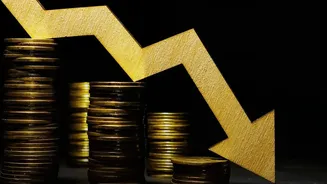
buyers on the sidelines, waiting for a more opportune moment. That moment appeared to arrive in the months leading up to the festive season. By early November, around the time of Dhanteras, prices had seen a significant correction, falling by over 20% to trade in the range of ₹1.40 lakh to ₹1.45 lakh per 10 grams. This sharp drop represented a discount of nearly ₹40,000 per 10 grams from the January peak, sparking renewed interest and raising a crucial question for households and investors alike: was this the dip everyone was waiting for?
What Caused the Price Correction?
The dramatic fall from January's summit was not driven by a single factor, but a confluence of global and domestic pressures. A primary driver was the hawkish stance of the US Federal Reserve, which signaled its intention to keep interest rates higher for longer to combat inflation. Since gold is a non-yielding asset, higher interest rates on bonds and other fixed-income investments make them more attractive by comparison, dampening demand for the yellow metal. A stronger US dollar also played a key role; since gold is traded internationally in dollars, a stronger greenback makes it more expensive for buyers using other currencies, thereby reducing demand. Furthermore, after the intense rally of 2024 and 2025, many investors who had bought at lower levels began booking profits, adding to the selling pressure.
The Dhanteras Dynamic
Dhanteras, which fell on November 6 this year, is traditionally one of the biggest gold-buying days in India. The price correction created a unique environment for festive shoppers. While prices were significantly down from the peak, they were still about 7-10% higher than during Dhanteras 2025, when 24-carat gold traded around ₹1.3 lakh per 10 grams. This meant that while gold felt more affordable compared to January, it was still costlier than the previous year. Despite this, jewellers reported strong advance bookings and an uptick in interest, especially from smaller tier-2 and tier-3 cities. The India Bullion & Jewellers Association (IBJA) projected that gold sales could grow by as much as 12% this Dhanteras, as the lower prices encouraged buyers who had been hesitant when rates were at their zenith.
An Opportunity for Buyers?
For those looking to buy, the correction presented a more favourable entry point than has been available for most of the year. However, the decision to buy depends heavily on the purpose. For traditional festive purchases or weddings, the lower prices were a welcome relief. For investors, the picture is more nuanced. Analysts suggest that while the speculative froth may have been cleared, volatility could persist. Many experts advise against trying to time the market perfectly and instead recommend accumulating gold gradually. The World Gold Council's data showed that while overall physical demand in India was lower year-on-year in the third quarter of 2026 due to affordability concerns, investment in financial forms like Gold ETFs saw a sequential rise, indicating a shifting preference among modern investors.
The Road Ahead for Gold
Looking forward, the trajectory of gold prices will continue to be shaped by global macroeconomic factors. The US Federal Reserve's future interest rate decisions, movements in the US dollar, and geopolitical developments remain the key variables to watch. Despite the recent correction, the long term performance of gold remains robust with the metal delivering annualized returns of over $16%$ in the decade leading up to November $2026$. Some market experts project that gold could rebound to the ₹$1.75$ lakh level within a year provided global conditions are favourable. This suggests that while short term choppiness is possible $the fundamental appeal of gold as a store of value and a hedge against uncertainty remains intact for the long term investor.