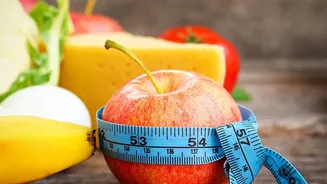






After days of festive indulgence filled with mithai and savoury snacks, the urge to 'detox' with an extreme diet can be strong. But cardiologists advise a gentler, more effective approach: simply return to your normal, balanced eating habits.
The Post-Festival 'Detox' Trap
The festive
season, with its late nights and abundance of rich food, can leave you feeling bloated, sluggish, and uncomfortable. In the aftermath, it's tempting to reach for a quick fix, like a juice cleanse or a severely restrictive diet. However, experts warn that these extreme measures can be counterproductive. Crash diets can disrupt your metabolism, lead to nutrient deficiencies, and often set up an unhealthy cycle of restriction followed by more bingeing. Your body doesn't need to be punished for enjoying the festivities; it needs to be nourished and guided back to a sustainable routine. The focus should not be on undoing what you ate, but on returning to habits that support your long-term health.
Why 'Normal' Is the Healthiest Choice
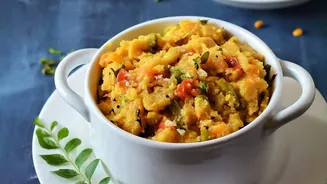
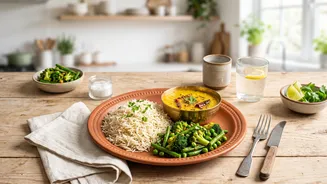
So, what does returning to 'normal meals' actually mean? It’s about embracing balance and consistency. Instead of skipping meals, which can lead to overeating later, the goal is to resume your regular meal timings with wholesome, home-cooked food. This approach helps stabilize blood sugar levels, which can fluctuate wildly after days of consuming sweets and fried foods. A balanced meal provides the fibre, protein, vitamins, and healthy fats your body needs to recover and function optimally. Think of it as a gentle reset, not a drastic overhaul. Simple Indian meals like dal, roti, sabzi, and curd are excellent choices that help your digestive system settle down without feeling deprived.
Simple Steps to Get Back on Track
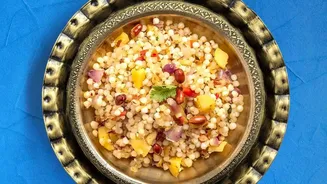
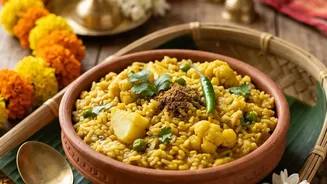
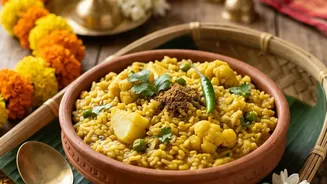
Getting back to your routine doesn’t have to be complicated. Start with hydration; after consuming extra salt and sugar, your body needs water to flush out toxins and reduce bloating. Swapping sugary drinks for plain water, coconut water, or buttermilk is a great first step. Next, gradually reintroduce fibre-rich foods. Incorporate plenty of seasonal fruits, vegetables, and whole grains like dalia or khichdi. Don't forget lean protein from sources like dals, paneer, and yoghurt, which helps you feel full longer. Finally, add some gentle movement to your day. A short 15-20 minute walk after meals can aid digestion, help manage blood sugar, and improve your mood.
What a Balanced Plate Looks Like
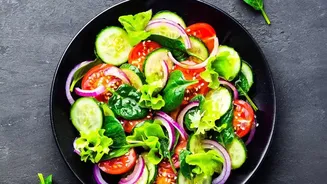
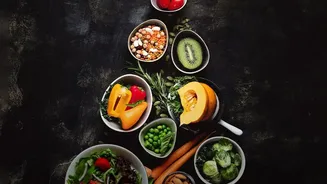
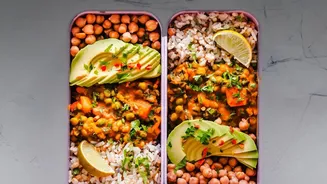
Visualising a healthy meal can make it easier to prepare. Aim to fill half your plate with colourful vegetables, either cooked as a sabzi or as a fresh salad. One quarter of your plate should be a source of lean protein, such as a bowl of dal, rajma, or chana. The remaining quarter can be a serving of complex carbohydrates like a couple of whole-wheat rotis or a small portion of brown rice. Adding a side of unsweetened curd or buttermilk can provide beneficial probiotics to support gut health. This simple formula ensures you get a wide range of nutrients, helping to restore energy levels and keep you satisfied between meals.
Patience and Mindful Eating Are Key
It’s important to be gentle with yourself after the festive period. A few days of indulgence do not ruin your long term health goals. Avoid the guilt and pressure to immediately shed any weight you may have gained ; much of it is likely temporary water retention from salty foods. Instead , practice mindful eating . Pay attention to your body’s hunger and fullness cues , eat slowly , and savour your food . This helps prevent overeating and fosters a healthier relationship with food . Remember that consistency is far more powerful than short term intensity . By focusing on balanced meals and gentle habits , you can support your heart and overall health far more effectively than any extreme diet ever could.