



The River's Rise: What to Expect
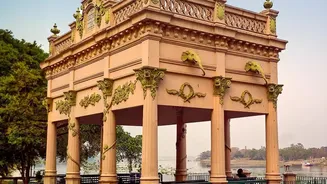
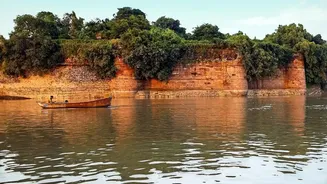
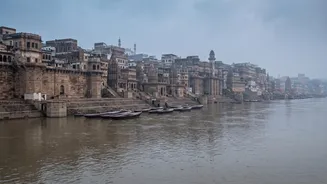
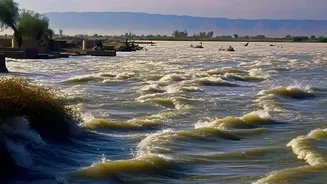
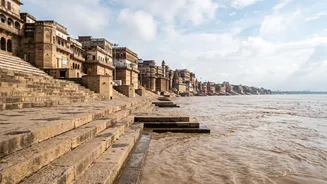
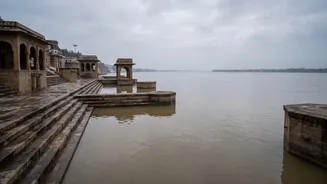
The most dramatic change during the monsoon is the rise in the Ganga's water level. As of early September 2026, the river has crossed the official warning mark in Varanasi, with levels recorded at 70.54 meters and continuing to rise. This transforms the city's
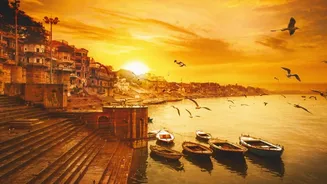
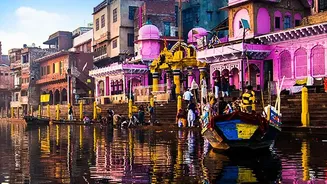
famous waterfront. The lower steps of most ghats, the stone stairways leading to the river, disappear completely underwater. The upper tiers become the new waterfront, and some smaller ghats are entirely submerged. This means the iconic walk along the chain of ghats is impossible, as the connecting pathways are cut off. While the city's temples largely remain open, access to them can be complicated by waterlogged lanes.
Safety and Navigation: A Top Priority
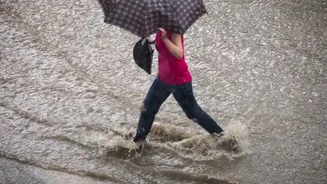
With the Ganga above the warning level, the district administration has taken firm safety measures. All passenger boat operations have been officially suspended. This is a critical point for visitors: the classic sunrise and sunset boat rides that are a hallmark of the Varanasi experience are unavailable until authorities deem the river safe. The currents are strong and deceptive, and officials strongly advise everyone—residents and tourists alike—to stay away from the ghats and avoid entering the water. The submerged steps are extremely slippery with silt and algae, making falls a common hazard. Navigating the city's narrow lanes can also be a challenge, with some areas prone to severe waterlogging after heavy downpours.
Ceremonies and Rituals: A Different Perspective
Despite the high water, Varanasi's spiritual life adapts. The world-famous evening Ganga Aarti at Dashashwamedh Ghat continues, but not in its usual location. As the lower platforms are submerged, organizers move the elaborate ceremony to higher ground or even onto the rooftops of adjacent buildings. This offers a unique, albeit more distant, view of the ritual against the backdrop of the swollen, powerful river. Similarly, cremations at the sacred Manikarnika and Harishchandra ghats are also forced to move to higher platforms or terraces when the traditional riverside spots are flooded. The rituals continue, demonstrating the city's resilience, but the experience for an observer is profoundly different.
Is It Worth It? The Pros and Cons
A monsoon trip to Varanasi is a significant trade-off. The biggest cons are the logistical hurdles and safety restrictions: no boat rides, limited access to the ghats, and the need for caution when navigating wet, slippery surfaces. However, there are considerable upsides for the prepared traveler. The city is washed clean, the surrounding landscapes are lush and green, and tourist crowds thin out dramatically, creating a more peaceful and contemplative atmosphere. This off-season timing can also mean lower prices for accommodations. For many, seeing the Ganga in its full, majestic monsoon form is a powerful spiritual experience in itself. The city's famous street food, from hot samosas to masala chai, is arguably at its best during the rains.
What to Do Beyond the Ghats
Since riverfront activities are limited, this is an excellent time to explore Varanasi's other treasures. The city's major temples, including the Kashi Vishwanath Temple with its covered corridors, remain open and are often less crowded. A trip to nearby Sarnath, the site of Buddha's first sermon, is highly recommended; the ancient ruins and stupas are particularly atmospheric under overcast monsoon skies. Exploring the labyrinthine alleys of the old city offers a different kind of immersion, and visiting the Bharat Kala Bhavan museum at Banaras Hindu University is a perfect rainy-day activity. The monsoon forces a deeper exploration of the city beyond its iconic waterfront.