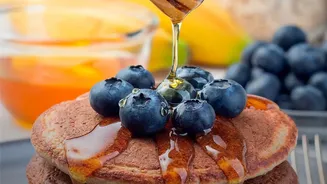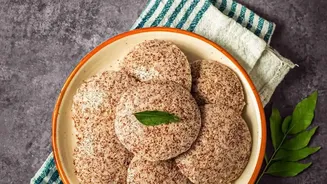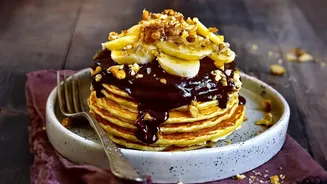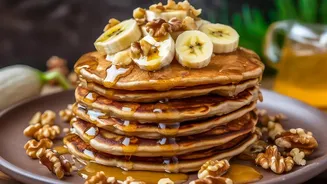




The Challenge of a Gluten-Free Flour
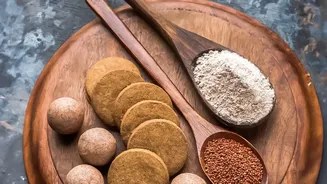
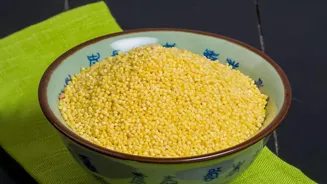
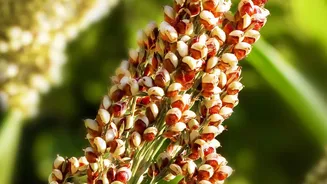
Ragi, or finger millet, is a nutritional powerhouse, celebrated for being rich in calcium, iron, and dietary fibre. It’s a fantastic, naturally gluten-free grain that’s become a staple in many health-conscious Indian kitchens. However, this absence of
gluten is precisely what can make it tricky in the kitchen. In baking, gluten provides structure and elasticity, helping hold everything together. Without it, and without the binding power of eggs, ragi pancakes have a notorious tendency to become dry and crumbly, falling apart when you try to flip them. This frustrating texture can discourage even the most enthusiastic home cooks.
The Banana to the Rescue
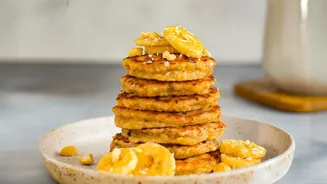
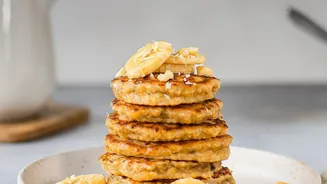
Enter the humble banana. This everyday fruit is a game-changer for eggless baking, and it works wonders in ragi pancakes. Adding mashed ripe banana to your batter does two crucial things at once. First, it provides significant moisture. Bananas are about 75% water, which is surprisingly similar to the water content of an egg, helping to hydrate the dense ragi flour and prevent a dry outcome. Second, it acts as a powerful binder. The starches and sugars in the banana create a sticky, cohesive mixture that holds the other ingredients together, effectively replacing the structural role of an egg. This ensures your pancakes stay intact from the pan to the plate.
The Right Way to Use Banana
To get the best results, the ripeness of your banana matters. The riper the banana—the more brown spots, the better—the sweeter it will be and the more moisture it will provide. This natural sweetness often means you can reduce or even eliminate any added sugar in your recipe. A good rule of thumb is to use about one medium-sized mashed banana for every cup of ragi flour. For a precise substitution when adapting other recipes, use ¼ cup of well-mashed banana for each egg you are replacing. Simply mash the banana until it’s smooth and pulpy with very few lumps before mixing it with your other wet ingredients.
A Simple Method for Success
Creating your perfect eggless ragi pancakes with banana is straightforward. Start by mashing one ripe banana in a large bowl. Whisk in your wet ingredients, like milk (dairy or plant-based) and a little melted butter or oil. In a separate bowl, combine your dry ingredients: ragi flour, a leavening agent like baking powder or baking soda, and a pinch of salt. You can also add spices like cardamom or cinnamon for extra flavour. Gently fold the dry ingredients into the wet, mixing only until just combined—a few lumps are okay. Overmixing can lead to dense pancakes. Let the batter rest for 5-10 minutes; this allows the ragi flour to hydrate properly, which results in a softer texture.
Cooking Tips for Perfect Pancakes
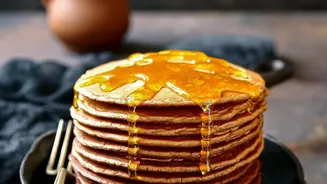
When it's time to cook, heat a non-stick pan or tawa over medium to low heat and grease it lightly. Ragi tends to brown faster than wheat flour, so a lower heat prevents the outside from burning before the inside is cooked. Pour a ladleful of batter onto the pan. Don't spread it too thin if you want a fluffy, thick pancake. Cook for about two to three minutes, or until you see bubbles forming on the surface and the edges look dry. This is your cue to flip. Cook for another minute or two on the other side until golden brown. Because ragi flour has a naturally dark colour, the pancakes will look darker than those made with wheat flour.