
A Calculated Remark
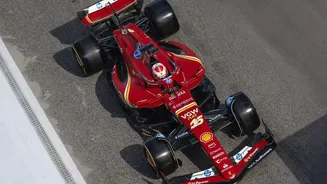
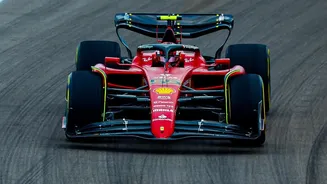
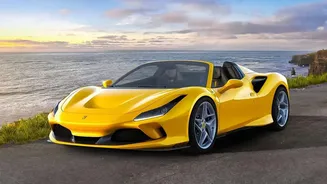
During a recent quarterly earnings call, Ferrari CEO Benedetto Vigna confirmed the company's interest in alternative fuels. He stated that Ferrari has already tested various types of carbon-neutral fuels, including biofuels, and that its powerful engines
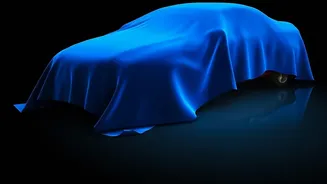
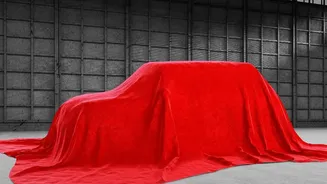
perform "very well" with them. "Nothing changes," Vigna noted, implying that the soul-stirring performance and sound that define a Ferrari remain intact. This isn't a rejection of electric vehicles—Ferrari's first EV, the Luce, was revealed in May 2026—but a clear signal of a dual-path strategy. The company is exploring every available technology to ensure its V8 and V12 masterpieces have a future.
Biofuels vs. E-Fuels: What's the Difference?
The terms are often used together, but they aren't the same. Biofuels are created from organic matter like plant waste or used cooking oils. E-fuels, or synthetic fuels, are made through a more industrial process, typically by combining hydrogen (produced using renewable electricity) with carbon dioxide captured from the atmosphere. The key appeal for both is that they are considered "carbon-neutral." While they still release CO2 when burned in an engine, that CO2 was originally removed from the atmosphere to create the fuel, theoretically creating a closed loop. For a brand like Ferrari, whose engine is central to its identity, these fuels offer a lifeline.
The Race Against Regulation
This exploration is driven by strict upcoming regulations, most notably the European Union's plan to effectively ban the sale of new internal combustion engine (ICE) cars from 2035. However, intense lobbying from countries like Germany and Italy, home to major auto industries, led to a crucial potential exemption. The EU has indicated that cars designed to run exclusively on carbon-neutral e-fuels could be permitted for sale beyond the 2035 deadline. This regulatory carve-out is precisely what low-volume, high-performance manufacturers like Ferrari are banking on, allowing them to continue selling the very type of cars that built their legend.
Ferrari Isn't Driving Alone
The Maranello-based manufacturer is not the only one pursuing this strategy. German rival Porsche has been a major proponent of e-fuels, investing over $100 million into the technology. Porsche is a key partner in the Haru Oni pilot plant in Chile, which uses wind power to produce synthetic fuel. This facility is already producing e-fuel that's being used in projects like the Porsche Mobil 1 Supercup racing series. Seeing major players like Porsche and Ferrari invest seriously in this area shows that it's being treated as a viable industrial strategy, not a niche experiment.
A Two-Track Future
Ferrari's strategy is not about choosing between electricity and combustion; it's about pursuing both. The company has invested heavily in its electric future, with the four-door, five-seat Luce being its first-ever fully electric car. This model, despite a divisive design, boasts over 1,000 horsepower and represents a completely new direction for the brand. By developing EVs while simultaneously validating its combustion engines for biofuels and e-fuels, Ferrari is giving itself maximum flexibility. This allows the brand to cater to both a new generation of EV buyers and its traditional base of customers who crave the visceral experience of a high-revving Ferrari engine.