







Kerala is embarking on an ambitious journey to launch India's first-ever airline run on a co-operative model. With government approval secured, this venture aims to reshape regional connectivity with Kochi as its nerve centre. Here’s what it's all about.
What Exactly Is the Plan?
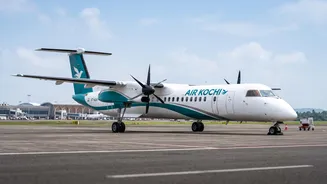
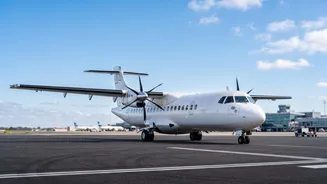
The Kerala state government has given the green light to the Kerala Civil Aviation Development Cooperative Society to establish a new airline. Tentatively named 'Co-Keralam', the airline aims to start operations by leasing two 72-seater aircraft. The initial goal is to enhance connectivity between Kerala and neighbouring states, linking Kochi with cities like Kozhikode, Kannur, Bengaluru, Chennai, and Madurai. The plan is to eventually expand the fleet to six aircraft as operations stabilize and grow. This initiative is being positioned not just as a business but as a demonstration of the co-operative sector's potential to enter capital-intensive industries traditionally dominated by private corporations.
Why a Co-operative Model?
Kerala has a long and successful history with the co-operative movement, which is deeply embedded in its economy. From rural banks and consumer stores to large-scale enterprises, the model of collective ownership is a proven success in the state. The most relevant example is Cochin International Airport (CIAL) itself, which was built using a public-private partnership model with widespread investment, including from the state's large diaspora. The airline's promoters plan to replicate this success. The funding strategy involves around 200 co-operative societies investing ₹2 crore each, aiming to raise a total of ₹400 crore without direct financial burden on the state government. This approach leverages community capital and aims to create a venture that is owned by and serves the people.
Kochi: The Strategic Hub
Choosing Kochi as the operational base is a strategic decision rooted in logistics, market demand, and existing infrastructure. Specifically, the airline will be headquartered at Nedumbassery in Kochi, home to Cochin International Airport (CIAL). CIAL is one of India's busiest airports and already managed over 63% of Kerala's total air passenger traffic in 2023-24. Its robust infrastructure and strong domestic and international connectivity make it the ideal launchpad. By basing operations in Kochi, 'Co-Keralam' can tap into a high-volume passenger market from day one and benefit from the airport's well-established ecosystem. The government and CIAL have both pledged their full support to the new airline.
Affordability and Regional Focus
A key objective of the co_operative airline is to make regional air travel more affordable. Proposed fares are expected to range between ₹3,500 and ₹7,000, which could introduce healthy competition on short_haul routes in southern India. There is also a proposal to offer discounted last_minute fares for unsold seats, a move that could be highly attractive to budget_conscious travellers. The initial route network focuses on connecting Tier_II and Tier_III cities, addressing a gap in regional connectivity that larger airlines often overlook. This aligns with the broader goal of boosting economic activity and tourism across the southern states.
The Road Ahead: Hurdles and Hopes
While the approval is a significant first step, the journey to getting 'Co_Keralam' airborne is filled with challenges. The Indian aviation market is notoriously difficult, with high operational costs, razor_thin margins, and intense competition that has grounded many airlines in the past. The new venture will need to navigate a complex regulatory landscape, secure all necessary approvals from the Directorate General of Civil Aviation (DGCA), finalise aircraft leases, and build a robust operational team. However, the project's leadership, spearheaded by C.N. Vijayakrishnan, who has a successful track record with co_operative ventures like the MVR Cancer Centre, inspires confidence. The state government's backing and the unique community_funded model offer a different path forward, but its ability to achieve sustainable commercial viability remains the ultimate test.