



The Expressway Effect: Stitching India Together
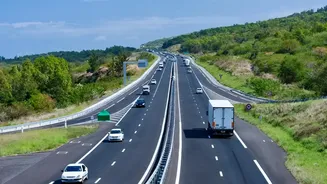
A massive push in national highway and expressway construction is fundamentally altering India's travel map. The government's ambitious Bharatmala Pariyojana is not just about building roads; it's about creating high-speed economic and tourism corridors.
These new arteries are slashing travel times and making road trips a more attractive and viable option for millions. For example, the Delhi-Mumbai Expressway now seamlessly links destinations like Jaipur, Ranthambore, and Sariska, transforming what were once separate trips into a single, integrated heritage and wildlife circuit. Similarly, Maharashtra's Samruddhi Mahamarg connects Shirdi, Nashik, and the Ajanta and Ellora caves, while the Bundelkhand Expressway brings together Khajuraho, Orchha, and Chitrakoot. This improved connectivity means a family can now realistically plan a weekend trip covering multiple destinations without spending the majority of their time navigating difficult roads, boosting local economies along the way.
The Vande Bharat Revolution
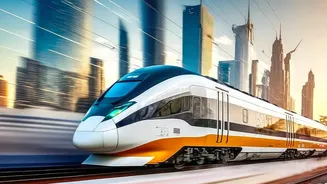
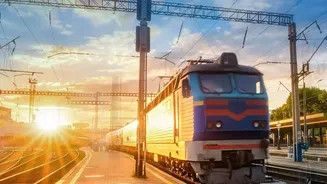
The transformation isn't limited to the roads. Indian Railways is undergoing a modern revolution, led by the Vande Bharat Express. With its network expanding rapidly to over 82 operational routes by August 2026, these semi-high-speed trains are reshaping access to pilgrimage, heritage, and leisure destinations. Passenger numbers have surged, with nearly four crore people travelling on these trains in the 2025-26 fiscal year alone. The impact is especially noticeable along spiritual corridors, with improved connectivity to key sites like Varanasi, Ayodhya, Tirupati, and Shirdi. In the north, new services are boosting access to Kashmir, with the Katra-Srinagar Vande Bharat making the journey to the valley quicker and more comfortable. These trains are not just faster; they represent a significant upgrade in comfort and reliability, encouraging travellers who might have previously opted for flights to reconsider rail.
From Single Stops to Seamless Circuits
This dual upgrade of road and rail networks is the engine behind the rise of multi-destination tourism. The concept is simple: instead of visiting just one place, tourists can now easily hop between several related destinations on a single trip. This model is being actively promoted through government initiatives like the Swadesh Darshan scheme, which develops theme-based tourist circuits such as heritage, spiritual, eco-tourism, and wildlife trails. For instance, a traveller can now explore a 'Buddhist Circuit' spanning multiple states or a 'Coastal Circuit' along India's vast shoreline. Previously, a trip to the Northeast might have seemed daunting; now, better rail links to states like Mizoram and improved roads are opening up the region to more domestic tourists than ever before. This shift allows for a deeper, more varied travel experience and spreads tourism revenue across a wider geographical area.
Beyond Just Speed and Convenience
The benefits extend beyond reduced travel time. Better infrastructure encourages the growth of a supporting ecosystem of hotels, restaurants, and wayside amenities, particularly in smaller towns that were previously overlooked. This creates new employment opportunities for local communities. Furthermore, a focus on last-mile connectivity is opening up destinations that were historically hard to reach. This includes the development of over 250 ropeway projects in hilly areas and the growth of river cruise circuits and seaplane services for coastal and riverine locations. For example, the proposed Kedarnath ropeway could cut a nine-hour trek down to about 36 minutes, making the pilgrimage accessible to a wider range of devotees. This holistic approach ensures that the tourism boom is more inclusive and sustainable, transforming once-remote spots into thriving visitor hubs.