








A Tale of Two Weights
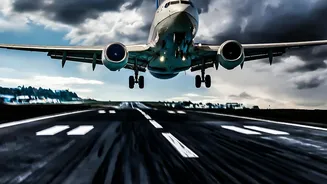
Every aircraft operates with two critical weight limits: a Maximum Takeoff Weight (MTOW) and a Maximum Landing Weight (MLW). The takeoff weight is almost always higher than the landing weight. This is because landing puts immense stress on the aircraft's
structure, especially the landing gear. An airplane is designed to land after it has burned off the fuel required to get to its destination, arriving lighter than when it departed. For a normal flight, this system works perfectly. The aircraft gradually becomes lighter, and by the time it descends, it’s well within the safe landing weight limit.
When Plans Change Unexpectedly
The problem arises when a flight has to land shortly after takeoff, long before it was scheduled to. This can happen for several reasons: a medical emergency on board, a sudden technical issue, or even a security concern. On a long-haul flight from Mumbai to London, for example, the aircraft is carrying enough fuel for many hours of flying. If it needs to return to Mumbai just 30 minutes after departure, it will still be far too heavy to land safely. Landing overweight risks severe structural damage to the plane and endangers everyone on board.
The Most Common Solution: Burning It Off
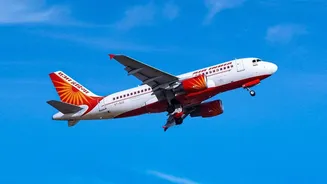
The most common and preferred method to shed this excess weight is to simply burn the fuel. Pilots will coordinate with air traffic control to enter a holding pattern, which is essentially a designated racetrack in the sky, often over the sea or an unpopulated area. The aircraft will circle at an efficient altitude until it has consumed enough fuel to bring its weight down below the Maximum Landing Weight. This is the standard procedure for most common aircraft, like the Boeing 737 and Airbus A320, which do not have the capability to dump fuel. So if you see a plane circling for a long time, it's usually a sign of pilots carefully managing a situation to ensure a safe landing.
The Faster Method: Fuel Jettisoning
For more urgent emergencies, some larger, long-haul aircraft are equipped with a fuel jettison system. This allows pilots to actively dump fuel to reduce weight quickly. This isn't just a simple opening of the tanks. The fuel is forced out through special nozzles on the wings at high pressure, which causes it to atomize into a fine mist. This procedure is done under strict regulations, typically at an altitude of over 6,000 feet, to ensure the fuel evaporates long before it has a chance to reach the ground. Air traffic controllers direct the aircraft to a designated area, usually over water or unpopulated land, to perform the dump.
Is It Safe for the Environment?
While the idea of jettisoning jet fuel into the atmosphere raises environmental concerns, aviation authorities regulate it as a last-resort safety measure. The high-altitude release is designed to allow the kerosene-based fuel to vaporize and disperse harmlessly. Studies and aviation bodies have noted that while not ideal, the pollutants from these rare events are minimal compared to other sources of air pollution. However, there is ongoing debate about the cumulative effects and the potential for droplets to reach the ground if a dump occurs at lower altitudes. Ultimately, the procedure is a trade-off, prioritising the immediate safety of passengers and crew in a critical situation.