




What Exactly Are Naphthalene Balls?
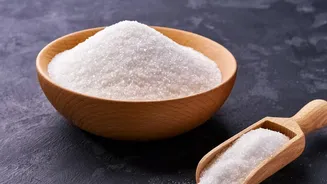
Naphthalene balls, also known as mothballs, are small balls of chemical pesticide. The primary ingredient is typically naphthalene, a hydrocarbon derived from coal tar or crude oil. These solid balls undergo a process called sublimation, where they turn
directly into a gas. This vapour is toxic to moths and their larvae, which is how they protect fabrics. However, the very fumes that kill pests are also what pose risks to human health, especially when used improperly. Some mothballs may use paradichlorobenzene instead, which is considered less toxic but still carries risks. Because they are regulated pesticides, they must be used strictly according to the label's directions.
The Hidden Health Risks You Should Know
The strong smell of naphthalene is your first clue that you are inhaling a chemical. Short-term exposure can cause headaches, nausea, dizziness, and irritation to the eyes and throat. For people with asthma or respiratory sensitivities, these effects can be more pronounced. The most serious risks come from prolonged exposure or accidental ingestion, which is a significant danger for children and pets who might mistake the white balls for candy. Ingesting even one ball can be harmful, leading to vomiting, diarrhea, and abdominal pain. More severe poisoning can damage red blood cells, a condition called hemolytic anemia, which in turn can lead to kidney and liver damage.
A Specific Danger: G6PD Deficiency
A crucial, and often unknown, risk factor is Glucose-6-Phosphate Dehydrogenase (G6PD) deficiency. This is a genetic condition that makes a person's red blood cells more vulnerable to damage from certain triggers, including naphthalene. Individuals with G6PD deficiency can suffer severe hemolytic anemia even from exposure to naphthalene fumes, such as from wearing clothes stored with mothballs. This condition is more common in certain populations, and many people may not even know they have it until they are exposed to a trigger. This makes the casual use of naphthalene balls in households a more pointed concern.
The Right Way to Use Naphthalene Balls (If You Must)
The key to using naphthalene balls safely is to minimise your exposure to the fumes. The golden rule is to use them only in airtight containers. Placing them in a sealed trunk or a zip-lock garment bag allows the vapours to build up to a concentration that kills moths without leaking into your living space. Never just toss them into open closets or drawers, as the fumes will spread throughout the room. Avoid direct contact between the balls and your clothes, as they can cause staining. Most importantly, always store them securely out of the reach of children and pets. When you take clothes out of storage, air them out thoroughly to dissipate the residual fumes before wearing.
Safer, Natural Alternatives for Your Home
Fortunately, there are many effective and pleasant-smelling alternatives to protect your clothes. Cedar blocks or chips are a fantastic option; moths dislike the natural aroma of cedar, and it leaves a fresh scent on your garments. Sachets filled with dried lavender are another excellent choice, as the herbal scent naturally repels insects. You can also use other herbs and spices like cloves, rosemary, and thyme by placing them in small cloth bags in your storage areas. For an traditional Indian approach, dried neem leaves have long been used as a natural insect repellent. The most fundamental step, however, is prevention: always wash and thoroughly dry your clothes before storing them to remove any existing moth eggs or larvae.