





Meet the SOLVE Rocket
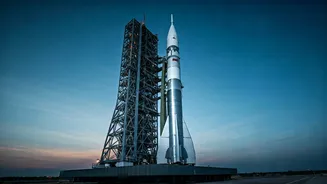
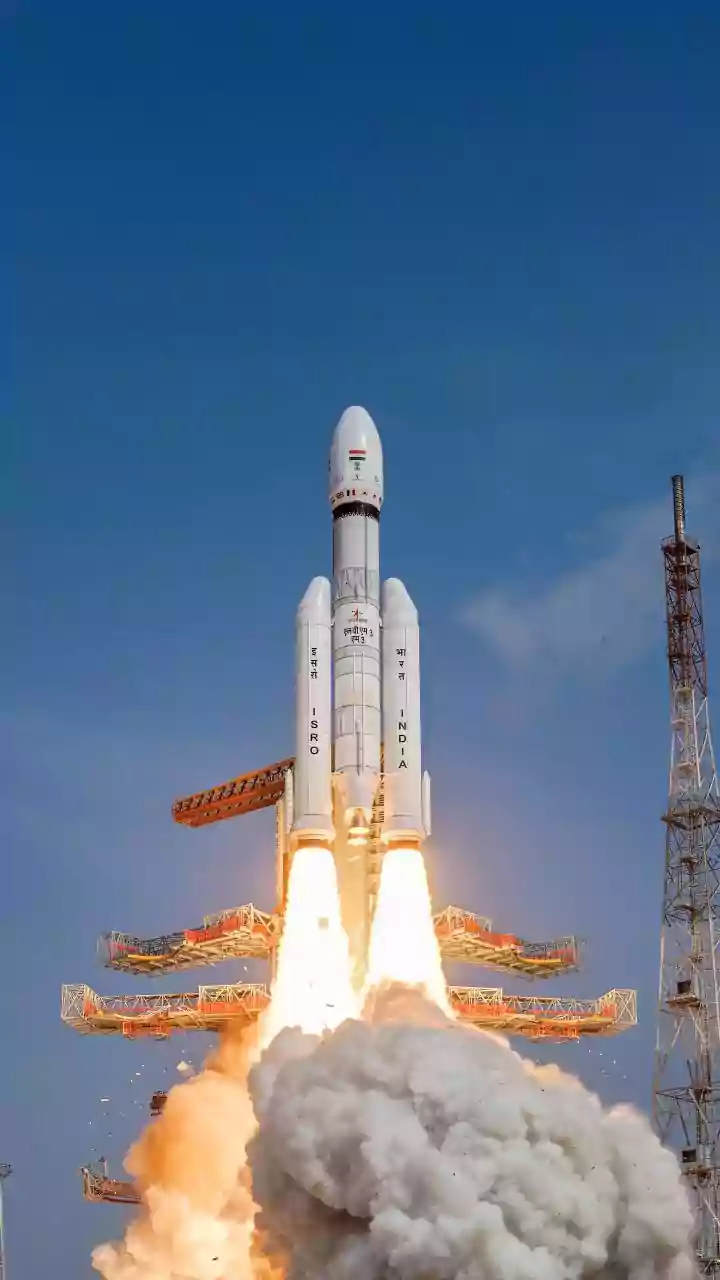
SOLVE, which stands for Sub-Orbital Launch Vehicle for Experiments, is a new, compact rocket developed by the Indian Space Research Organisation (ISRO). Its purpose is not to reach orbit, but to serve as a dedicated flying testbed for critical Gaganyaan
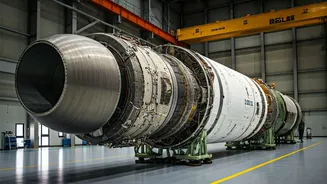
hardware. Think of it as a specialised tool designed for one crucial job: perfecting the systems that will ensure the safety of Indian astronauts. Recently, ISRO successfully completed a major ground test of the SOLVE rocket's solid motor, a critical step that verifies the engine's performance before it ever leaves the ground. This milestone brings the vehicle one step closer to its first flight tests, moving the entire Gaganyaan programme forward.
A Dress Rehearsal for a Safe Return
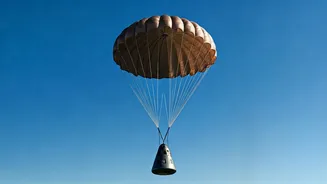
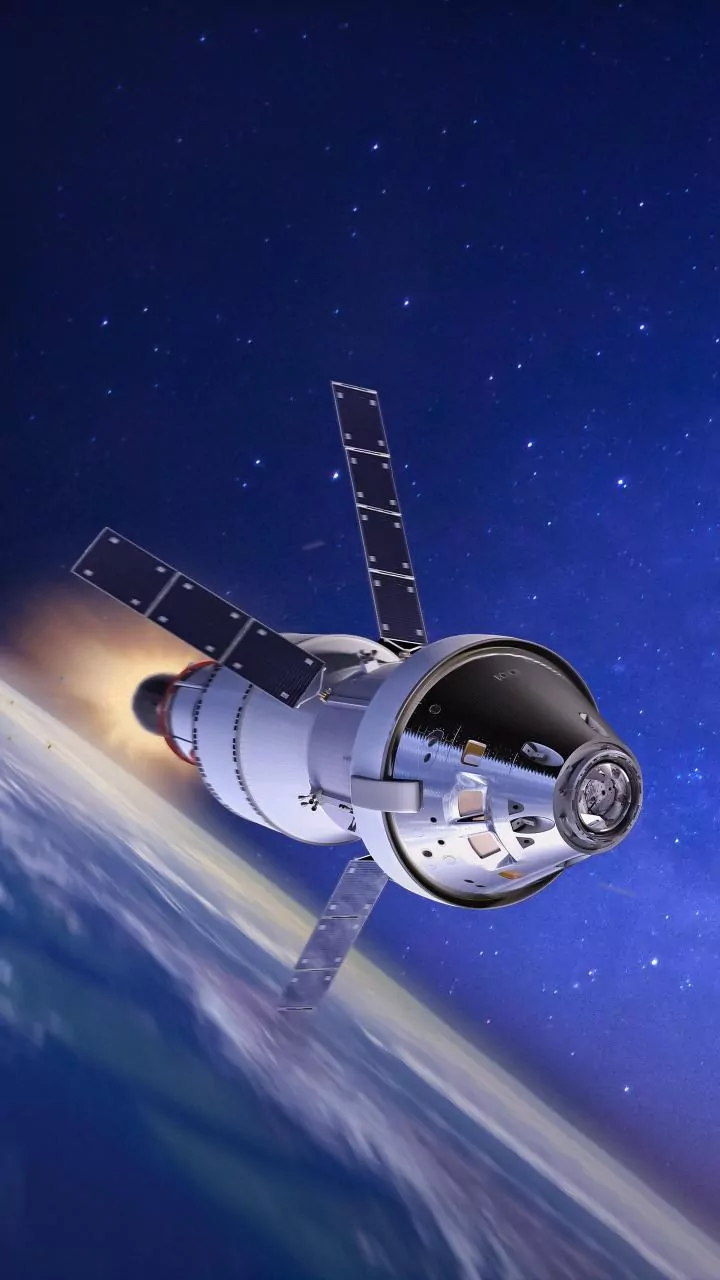
The primary system that SOLVE is designed to validate is the Gaganyaan crew module's parachute-based deceleration system. When the astronaut capsule re-enters Earth's atmosphere, it will be travelling at immense speeds. A complex sequence of ten parachutes must deploy perfectly to slow the module down for a gentle and safe splashdown in the ocean. SOLVE's job is to carry a dummy version of the crew module to an altitude of between 10 and 17 kilometres. Once it reaches the target altitude, it will release the capsule, initiating the parachute deployment sequence. This allows engineers to watch and verify in real-world conditions that every part of the landing system—from the smallest pilot chutes to the giant main parachutes—works exactly as designed.
The Science of De-Risking
In spaceflight, 'de-risking' means testing every component as thoroughly as possible to minimise the chances of failure. Sub-orbital flights are an essential part of this strategy. Launching a full-scale orbital mission is incredibly expensive and complex. A smaller, sub-orbital rocket like SOLVE offers a cost-effective and flexible way to repeatedly test specific systems in a relevant environment. It allows ISRO to simulate a wide range of flight conditions that the crew module might encounter during its descent, helping engineers gather crucial data and build confidence in the system's reliability. By ironing out any potential issues with the parachute system here, ISRO significantly reduces the risks associated with the much more demanding crewed orbital missions to come.
Ingenious Engineering on a Proven Platform
One of the clever aspects of the SOLVE rocket is its origin. It is not built entirely from scratch. Instead, its solid motor is a modified version of the reliable strap-on boosters used on ISRO's workhorse rocket, the Polar Satellite Launch Vehicle (PSLV). However, it has been specifically adapted for its unique mission. The engineers have developed a propellant that burns more slowly and have incorporated a different steering system, known as secondary injection thrust vector control. These modifications allow for the gentler flight profile required for a parachute test. This approach of adapting proven technology demonstrates a hallmark of ISRO's engineering philosophy: building reliable and cost-effective solutions by leveraging existing expertise.
A Vital Step on the Gaganyaan Journey
The Gaganyaan mission, which aims to launch a three-member crew into a 400-kilometre orbit for a three-day mission, is a monumental undertaking for India. Human spaceflight is inherently risky, and astronaut safety is the absolute highest priority. This is why a methodical, step-by-step testing process is non-negotiable. The development and successful ground testing of the SOLVE rocket represent a significant achievement in this meticulous process. While uncrewed orbital flights of the full Gaganyaan system are planned before any astronaut steps aboard, the validation provided by SOLVE's sub-orbital flights will be instrumental. Each successful test builds a foundation of safety and reliability, paving the way for India's historic leap into human space exploration.