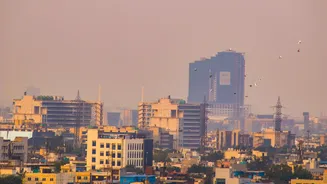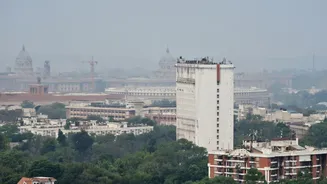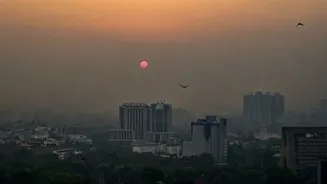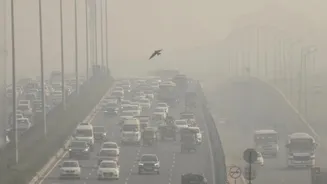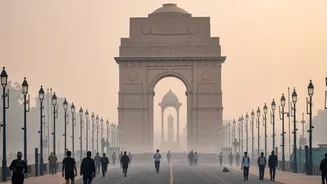








As winter approaches in Delhi, checking the Air Quality Index (AQI) becomes a daily ritual. Amid the sea of numbers, two terms always stand out: PM2.5 and PM10. They are not just jargon; understanding the difference is key to knowing your real risk.
What Exactly is Particulate Matter?
Particulate
Matter, or PM, is a mixture of tiny solid particles and liquid droplets floating in the air we breathe. Think of it as a microscopic cocktail of dust, soot, smoke, and chemicals. These particles are so small they are measured in micrometres, or microns. For context, a single human hair is about 50-70 microns wide. The numbers '10' and '2.5' refer to the maximum diameter of these particles in microns. This seemingly small difference in size is what separates a nuisance from a severe health threat.
Meet PM10: The Coarse Particles
PM10 particles are those with a diameter of 10 microns or less. These are considered 'coarse' particles. Their primary sources are often mechanical, such as dust from construction sites, unpaved roads, and industrial grinding operations. Natural sources like pollen and mould spores also fall into this category. Because of their relatively larger size, your body's natural defences are quite effective against them. PM10 particles tend to get trapped in the nose, throat, and upper respiratory tract, causing irritation, coughing, and sneezing. While they can worsen conditions like asthma, they generally don't venture deeper into the body.
The Invisible Danger: PM2.5
PM2.5, or fine particulate matter, is the real villain in the air quality story. These particles are 2.5 microns or smaller—so tiny that about 30 or 40 of them could fit across the width of a human hair. Unlike PM10, these particles primarily come from combustion processes. In Delhi, this means vehicle exhaust, industrial emissions, thermal power plants, and the burning of biomass and waste. Because they are so small and light, they stay in the air for longer and can travel far from their source.
Why Size Is the Deciding Factor for Health
The critical difference lies in how our bodies handle these particles. While PM10 is largely filtered out by our upper airways, PM2.5 particles are small enough to bypass these defences entirely. They travel deep into the lungs, lodging in the alveoli where oxygen enters the blood. From there, the smallest particles can even cross into the bloodstream and circulate throughout the body, reaching the heart, brain, and other vital organs. This is why exposure to PM2.5 is linked to much more severe health outcomes. Shortterm exposure can trigger heart attacks and worsen respiratory diseases. Longterm exposure is associated with an increased risk of stroke, heart disease, lung cancer, cognitive decline, and even premature death. There is no known safe level of exposure to these fine particles.
Delhi’s Pollutant Cocktail
In Delhi, both particle types are a major issue, but PM2.5 is the focus of the most serious health warnings. Studies show that during the winter months, when pollution peaks, sources like vehicle emissions, biomass burning for warmth, and secondary particulates (formed from chemical reactions in the air) are dominant contributors to PM2.5 levels. Road dust is a major source for PM10 yearround. The citys winter PM2.5 levels can be over 35 times higher than the guidelines set by the World Health Organization, highlighting the severe public health crisis residents face each year.