







The Allure of Breath Control
In a world buzzing with stress, the promise of calm and control is a powerful draw. This is the core appeal of breath-holding exercises, known formally as voluntary apnoea. Practices like Kumbhaka in yoga are centuries old, used to quiet the mind and balance
the nervous system. More recently, methods popularised by figures like Wim Hof have captured global attention, promising enhanced immunity, focus, and resilience. Athletes use them to boost performance, and wellness seekers use them to manage anxiety. The common thread is the simple act of consciously pausing the breath, a tool that seems accessible, free, and completely within our own control. This simplicity, however, can be profoundly misleading.
What Happens When You Hold Your Breath?
When you voluntarily stop breathing, two key things happen inside your body. First, you stop exhaling carbon dioxide (CO2), so its levels in your blood begin to rise. Second, you stop inhaling oxygen (O2), so your body starts using up its stored reserves. It is the rising CO2, not the falling oxygen, that triggers your brain's powerful, involuntary urge to breathe. This is your body's primary safety alarm. Many breath-holding techniques train you to mentally override this alarm, pushing past the discomfort and involuntary diaphragm contractions. While this can increase your tolerance to CO2, you are also venturing into a state of decreasing oxygen, known as hypoxia, which carries its own set of risks.
The Hidden Dangers of 'Free' Fitness
The most significant danger of pushing your breath-hold limits is fainting from a lack of oxygen to the brain, or a hypoxic blackout. On land, this could lead to a fall and injury. But near any amount of water—including a bathtub or a shallow pool—it can lead to drowning. This phenomenon, known as shallow water blackout, is a silent killer because it can happen to even strong, healthy swimmers without any warning. The risk is amplified by hyperventilation (rapid, forceful breathing) before a breath-hold, a common practice in some methods. Hyperventilating artificially lowers your CO2 levels, effectively silencing the body's urge-to-breathe alarm without actually increasing your oxygen supply. This allows you to hold your breath longer, pushing you closer to the blackout threshold without realising it. Other risks include dizziness, heart palpitations, and in some cases, triggering anxiety or panic attacks.
Why Your Tolerance Is Not My Tolerance
This is the central point of the headline: your ability to tolerate low oxygen and high carbon dioxide is unique. Research shows that significant individual variations exist in the human response to hypoxia. Factors like genetics, lung capacity, cardiovascular health, and even your level of fatigue or hydration on a given day can influence how your body reacts. One person may feel fine holding their breath for a minute, while another may start feeling dizzy and lightheaded after just 30 seconds under the exact same conditions. This is why blindly following a generic online tutorial or competing with a friend can be so dangerous. There is no universal standard for what is a “safe” duration for a breath-hold. The only reliable gauge is your own body’s signals, which must be listened to without ego.
Red Flags: Signs You're Pushing Too Far
Learning to distinguish between the expected discomfort of a breath-hold and genuine warning signs is critical for safety. You should stop immediately and return to normal breathing if you experience any of the following: lightheadedness or dizziness, tingling in your hands or feet, blurred or tunnel vision, a feeling of euphoria, uncontrolled muscle contractions or shaking, or heart palpitations. A gasp for air after the hold is a clear sign it was too long. Pain or a clenching sensation in the chest or throat is also a signal to stop. The goal of these practices should be calm control, not strain. If you feel panicked or overly anxious, it's a sign your nervous system is overwhelmed.
How to Practice Breath-Holding Safely
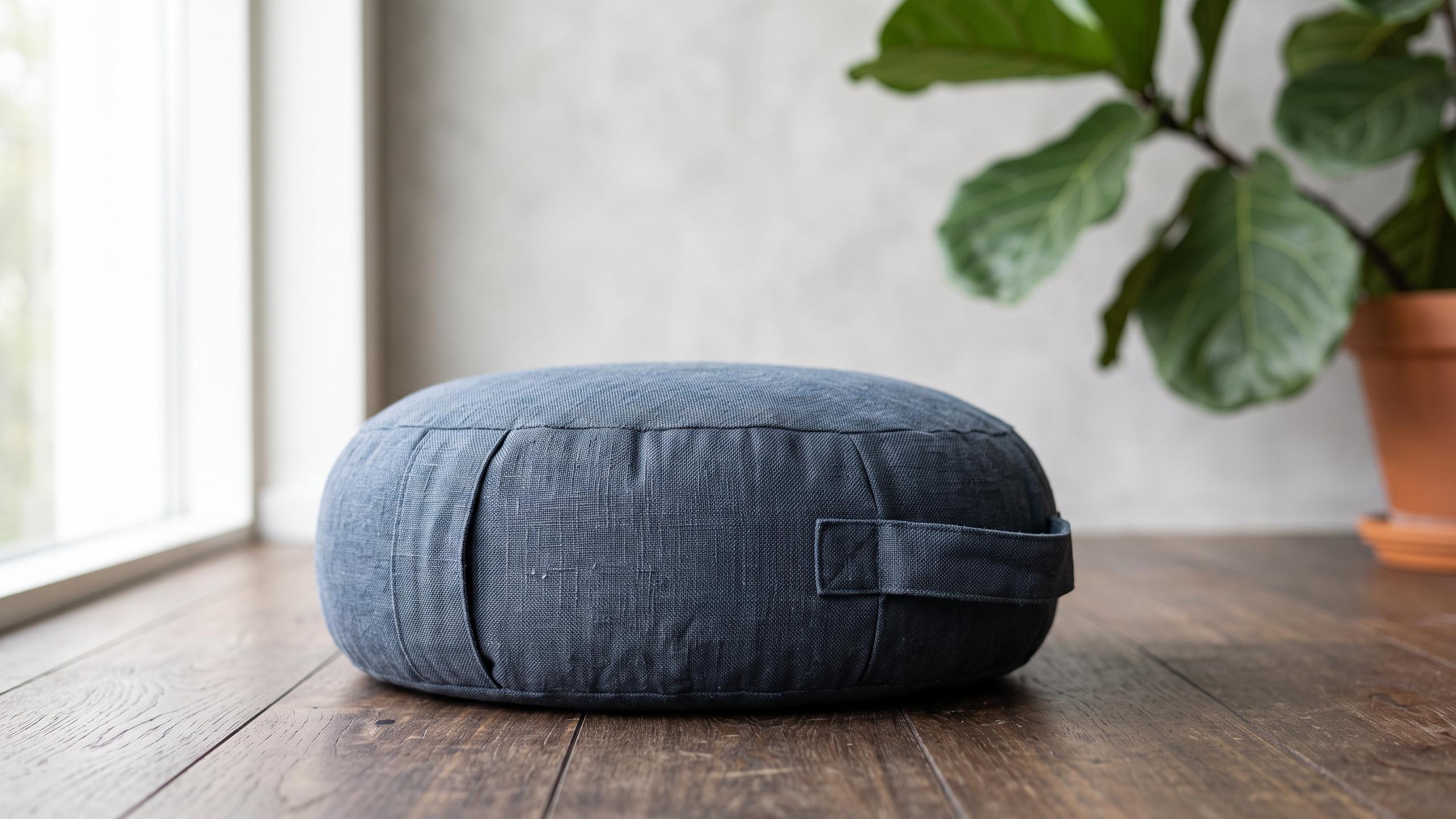
If you choose to explore breath-holding, safety must be your absolute priority. The most crucial rule is to never, ever practice breath-holding in or near water, not even a bathtub, unless you are under the direct supervision of a trained professional. Always practice in a safe, seated or lying-down position where you cannot fall and injure yourself if you faint. It is highly recommended to practice with a knowledgeable buddy who can watch over you. Always listen to your body and never push through sharp pain or dizziness. Start slowly, with very short holds of just a few seconds, and build your capacity gradually over weeks and months, not days. If you have any pre-existing health conditions, especially high blood pressure, heart disease, epilepsy, or anxiety disorders, you must consult your doctor before attempting any of these exercises.