




The Heart of the Matter: India's E20 Mission
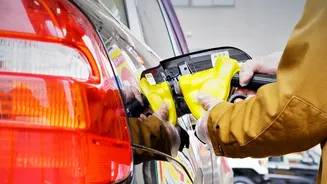
To understand the recent buzz, it's important to know what's in your tank. For the past few years, India has been on a mission to blend ethanol, a biofuel typically derived from sugarcane or maize, into its petrol. The current standard across the country
is E20 petrol, which is a blend of 20% ethanol and 80% petrol. This isn't just a minor technical change; it's a cornerstone of India's national strategy. By increasing the ethanol content, the government aims to achieve several key objectives: reduce the country's massive import bill for crude oil, lower carbon emissions to meet climate goals, and provide a stable, alternative income source for millions of farmers. India successfully achieved its E20 blending target in 2025, a full five years ahead of its original 2030 schedule, marking a significant milestone in its energy transition.
Whispers of a U-Turn
Despite the success of the E20 rollout, concerns began to surface. The primary issue revolves around vehicle compatibility and performance. Ethanol has a lower energy density than pure petrol, which can result in a noticeable drop in mileage for some vehicles. Furthermore, owners of older cars and two-wheelers, manufactured before E20 became the norm, have expressed worries about the long-term impact of the higher ethanol blend on engine components like rubber hoses and seals. These concerns gained significant traction after the government's Chief Economic Adviser, V. Anantha Nageswaran, co-authored an article suggesting that reintroducing E10 (a 10% blend) as an option could be a way to protect this older fleet of vehicles. This sparked media reports that the government and oil marketing companies (OMCs) were exploring the possibility of selling E10 through the existing premium 95-octane fuel network.
BPCL Sets the Record Straight
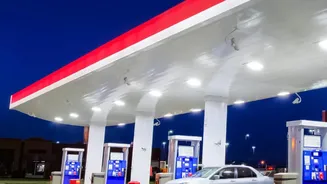
As speculation mounted, BPCL, one of India's largest OMCs, stepped in to provide clarity. Following its Annual General Meeting, reports began to misinterpret comments from Chairman Sanjay Khanna, suggesting that a return to E10 was actively being considered. In response, the company issued a decisive statement on social media platform X, stating that there is "no proposal to replace the existing E20 blended Petrol with E10". The clarification explained that the ongoing debate was merely about whether an option should be provided for older vehicles, not about rolling back the national E20 mandate. BPCL also noted that its extensive field experience with millions of vehicles running on E20 has not shown evidence of engine damage, reinforcing its commitment to the programme.
The Road Ahead Remains Green
The clarification from BPCL effectively reaffirms that India's green fuel roadmap is not being redrawn. The logistical challenge of supplying three different types of fuel (pure petrol, E10, and E20) nationwide is a significant hurdle that the government has been keen to avoid. While the discussion about an E10 option for older vehicles highlights the real-world complexities of such a massive energy transition, it has not derailed the policy. For consumers, this means E20 petrol is here to stay as the standard fuel. The government and automakers continue to maintain that all new vehicles are fully E20 compliant. For now, the focus remains firmly on the nationwide E20 programme, which saves the country significant foreign exchange and contributes to a cleaner environment.