


What Is the El Niño Effect?
At its core, the El Niño-Southern Oscillation (ENSO) is a natural climate phenomenon centred in the tropical Pacific Ocean. It operates in a cycle, swinging between three phases: El Niño, La Niña, and a neutral phase. El Niño, which means 'the Christ
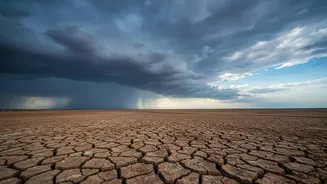
child' in Spanish, is the warm phase, characterized by the unusual warming of sea surface waters in the central and eastern Pacific. This vast pool of warm water releases an immense amount of heat into the atmosphere, disrupting typical weather patterns across the globe. In India, El Niño events are closely watched as they are often associated with a weakening of the vital southwest monsoon, which can lead to reduced rainfall and drought-like conditions. Conversely, La Niña is the cool phase, often bringing stronger monsoons to the subcontinent.
A Higher, Hotter Starting Point
The central issue highlighted by the headline is the interaction between this natural cycle and human-caused global warming. Think of El Niño as a natural wave that periodically raises global temperatures. Now, imagine that the baseline sea level has already risen. This is the effect of global warming—it has raised the planet’s average temperature, creating a hotter baseline. When an El Niño event occurs in this warmer world, its heat spike starts from a 'higher ground'. The joint influence of El Niño's warming pulse and the rising global temperatures caused by climate change amplifies the potential for extreme heat. Even if climate change doesn't make El Niño events themselves more intense, it can amplify their impacts because a warmer atmosphere holds more moisture and energy, which can fuel more extreme weather events like intense rainfall and heatwaves.
What This Means for India
For India, an amplified El Niño is a serious concern. The country's agriculture, which constitutes a significant portion of its GDP and employs a large part of the population, is heavily dependent on the monsoon. Historically, about 60% of El Niño years have coincided with below-normal monsoon rainfall in India, with several leading to severe droughts. A supercharged El Niño, starting from a higher temperature baseline, can intensify these impacts. It could lead to more prolonged dry spells during the monsoon, diminished crop yields, and increased water stress in reservoirs. This doesn't just affect farmers; it has knock-on effects for the entire economy, potentially leading to lower agricultural output and food inflation. The risk of more intense and frequent heatwaves, particularly in the pre-monsoon summer months, also grows substantially.
A Future of Amplified Extremes
The scientific community continues to study the precise long-term relationship between climate change and ENSO, but a worrying trend is emerging. Some research suggests that global warming may lead to more frequent and more extreme El Niño events. Projections indicate that extreme events that once occurred every 20 years could happen every 10 years by the end of the century under aggressive greenhouse gas emission scenarios. This year, 2026, is already seeing the development of what could be a strong El Niño, raising concerns about it contributing to another record-breaking year for global temperatures. The combination of a strong El Niño and a pre-warmed planet is pushing the world into what some have called 'uncharted territory', where past experiences may no longer be a reliable guide for future impacts.