







1. The Nuclear Program
At the heart of the standoff is Iran's nuclear program. The international community, led by the US, fears Tehran aims to build a nuclear weapon. Iran insists its program is for peaceful energy purposes. The core disagreement lies in what limits, if any,
Iran will accept on its uranium enrichment. The US and its allies are pushing for stringent restrictions and intrusive inspections to ensure Iran cannot quickly produce weapons-grade material. Tehran, however, views its nuclear capabilities as a matter of national sovereignty and is reluctant to dismantle the infrastructure it has spent years building. This fundamental clash over enrichment levels, centrifuge technology, and the extent of monitoring by the International Atomic Energy Agency (IAEA) remains the most significant barrier to any long-term agreement.
2. Sanctions and Economic Relief
From Iran's perspective, the primary incentive for any deal is the lifting of crippling US economic sanctions that have devastated its economy. These sanctions target everything from Iran's vital oil exports to its banking and shipping sectors. The sticking point is not just about whether to lift them, but how and when. Iran demands immediate and comprehensive relief as a first step. The US, meanwhile, wants a phased approach, tying sanctions relief to verifiable steps taken by Iran to curb its nuclear program. Complicating matters further is the web of different sanctions; some are for the nuclear program, while others are for issues like human rights, terrorism, and ballistic missiles, making them difficult to untangle.
3. Regional Influence and Missiles
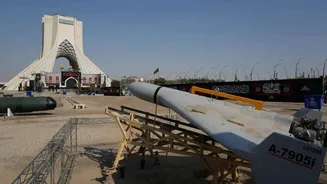
Beyond the nuclear file, Washington is deeply concerned about Iran's broader role in the Middle East. This includes its advanced ballistic missile program and its support for a network of proxy forces, such as Hezbollah in Lebanon and the Houthis in Yemen. The US and its regional allies, particularly Israel and Saudi Arabia, want any comprehensive deal to address these issues, which they see as destabilizing to the region. Iran, however, considers its missile program a non-negotiable deterrent and its regional alliances essential to its national security. Tehran has been firm that these issues should not be linked to nuclear negotiations, creating a major strategic impasse.
4. Guarantees and Political Trust
After the US unilaterally withdrew from the JCPOA nuclear deal in 2018, Iran has become deeply skeptical of American commitments. A major demand from Tehran is a guarantee that any new agreement will not be abandoned by a future US administration. This is a promise that is constitutionally difficult for any US president to make, as the next administration can reverse the policies of the previous one. This deep-seated mistrust poisons the negotiating atmosphere. Domestic politics in both countries also play a huge role, with hardliners in Tehran and Washington viewing compromise as a sign of weakness, making it politically risky for leaders on either side to make the necessary concessions for a breakthrough.