






The Perfect Recipe: Balancing Greens and Browns
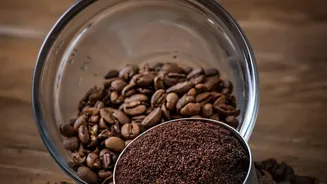
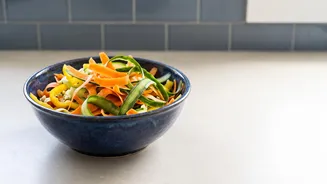
Before the magic can begin, the compost pile needs the right ingredients. This comes down to balancing two key types of materials: 'greens' and 'browns'. 'Greens' are nitrogen-rich items like your kitchen scraps—vegetable peels, fruit cores, tea bags,
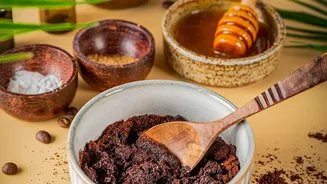
and coffee grounds. These provide the proteins that microorganisms need to grow and multiply. 'Browns' are carbon-rich materials like dried leaves, shredded newspaper, cardboard, and small twigs. Carbon is the energy source for these tiny decomposers. The ideal starting ratio is about two to three parts brown materials to one part green materials by volume. This balance is crucial. Too much nitrogen (greens) can lead to a slimy, smelly pile, while too much carbon (browns) will significantly slow down the decomposition process. Getting this mix right ensures the microscopic workforce has both the energy and the protein to do its job efficiently.
Phase 1: The Mesophilic Kick-Start
Once you’ve layered your greens and browns, the first wave of decomposers gets to work. This is called the mesophilic phase, dominated by microorganisms that thrive in moderate temperatures (around 20–45°C). These bacteria are naturally present on the organic matter you've added. They immediately begin breaking down the most soluble, easily degradable compounds like simple sugars and starches. As this microbial 'feeding frenzy' begins, the bacteria respire and reproduce, generating a significant amount of heat as a byproduct. This initial burst of activity is what causes the compost pile to start warming up, paving the way for the next, much hotter stage of the process. This phase typically lasts for a few days.
Phase 2: Turning Up the Heat with Thermophilic Microbes
As the temperature in the pile climbs above 40°C, the mesophilic microbes can no longer tolerate the heat and are replaced by a new crew: heat-loving thermophilic microorganisms. This is the most active and rapid stage of composting. These powerful bacteria and fungi work incredibly fast, raising the core temperature of the pile to between 55°C and 65°C. This intense heat serves two vital functions. First, it dramatically accelerates the breakdown of tougher materials like fats, proteins, and complex carbohydrates like cellulose. Second, these high temperatures are hot enough to kill most plant diseases, weed seeds, and human pathogens that might have been present in the raw materials, effectively sanitizing the compost. This phase can last anywhere from a few days to several months, depending on the size of the pile and the materials within it.
Phase 3: The Cooling and Curing Stage
Eventually, the supply of high-energy compounds dwindles, and the thermophilic microbes run out of their favourite foods. The decomposition rate slows, and the pile begins to cool down. As temperatures drop back into the moderate mesophilic range, a different set of organisms takes over for the final act. This is the curing, or maturation, phase. During this period, which can last for several months, fungi, actinomycetes (a type of bacteria that looks like fungi), and other organisms work on breaking down the remaining complex, woody materials. Earthworms and other small invertebrates may also move in to help with the process. This slower, cooler phase is essential for stabilizing the compost. The microorganisms continue to refine the material, transforming it into a complex, stable substance known as humus.
The Final Product: Nutrient-Rich 'Black Gold'
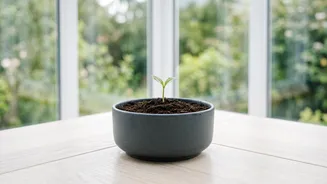
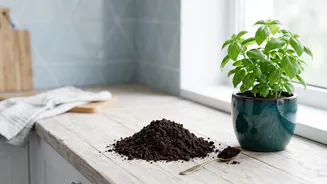
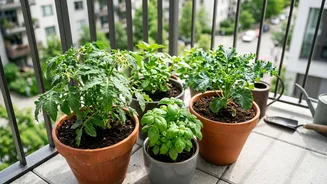
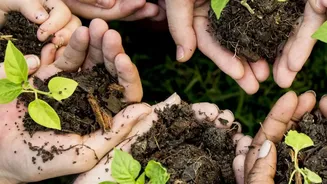
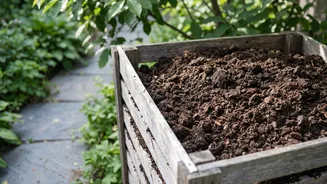
After several months of this intricate natural process, your kitchen scraps and yard waste are transformed into something completely new: finished compost. The final product is a dark, crumbly, and earthy-smelling material often called 'black gold' by gardeners. It bears no resemblance to the original ingredients. What you are left with is a biologically stable soil amendment packed with organic matter and a diverse community of beneficial microorganisms. When added to garden beds or potted plants, this compost improves soil structure, helps the soil retain moisture, and slowly releases essential nutrients that plants can easily absorb. It builds healthier soil year after year, reducing the need for chemical fertilizers and promoting robust plant growth.