




The Science of a Single Snip
Creating a new plant from a cutting is a form of asexual reproduction, also called vegetative propagation. This process works because many plant cells have a remarkable ability called totipotency. This means a single cell has the potential to differentiate
and grow into all the different parts of a full plant—roots, stems, and leaves. When you take a cutting, you're tapping into this natural superpower. The key is to encourage the cutting to grow 'adventitious roots'—roots that sprout from a part of the plant that isn't the main root, like a stem or leaf. Plant hormones called auxins, which are concentrated in the nodes (the joints on a stem where leaves grow), play a crucial role in stimulating this new root development.
Choosing the Best Plants and Cuttings
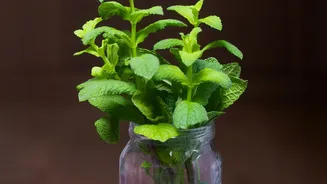
While many plants can be propagated, some are much easier for beginners. Houseplants like Pothos, Philodendron, Snake Plants, Coleus, and African Violets are famously simple to multiply. For outdoor gardens, woody herbs like rosemary, lavender, and mint also root well from cuttings. When selecting a piece to cut, look for a healthy, mature plant that is actively growing and free of disease or pests. A good cutting is typically 4 to 6 inches long and should be taken from a stem that is firm but not old and woody. Use a clean, sharp knife or pair of scissors to make your cut, ideally just below a node, as this is where root growth is most likely to begin.
Water vs. Soil Propagation
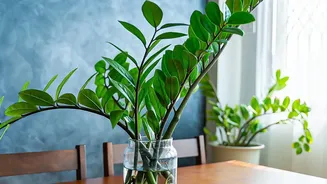
You have two main paths for rooting your cutting: water or soil. Propagating in water is simple and visually rewarding. You just place the cutting in a jar of water and watch the roots grow. However, these 'water roots' are very delicate and can struggle when transplanted into soil, a transition that can shock the plant. Propagating directly in soil encourages the growth of stronger, more robust roots from the start. This method involves dipping the cut end in a rooting hormone (optional but recommended for faster results) and planting it in a moist, well-draining potting mix. While soil propagation can be trickier to get right—requiring consistent moisture without becoming waterlogged—it often leads to a healthier plant in the long run by avoiding the stress of transplantation.
A Step-by-Step Guide to Success
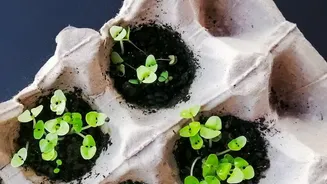
Ready to try? First, gather your tools: a clean jar or small pot, fresh water or a well-draining potting mix, and sharp scissors. Take a 4- to 6-inch cutting from your chosen parent plant. Snip off the lower leaves, ensuring at least two or three nodes are bare and leaving only a few leaves at the top. This directs the plant's energy towards making roots instead of supporting excess foliage. If using soil, dip the cut end in rooting hormone powder. Make a small hole in the pre-moistened potting mix with a pencil, insert the cutting so the bare nodes are buried, and gently firm the soil around it. If using water, simply place the cutting in a jar, ensuring the nodes are submerged.
Nurturing Your New Plant
Patience is the final ingredient. Place your cutting in a spot with bright, indirect light. If you've planted it in soil, you can create a mini-greenhouse effect by covering the pot with a clear plastic bag to maintain humidity, which is critical for preventing the cutting from drying out before it can grow roots. For water propagation, change the water every few days to keep it fresh and oxygenated. Roots can take anywhere from a few weeks to over a month to appear. Once a healthy root system of about one to two inches has developed, your new plant is ready to be potted (if in water) or cared for as a new, independent plant.