
What is This Green Elixir?
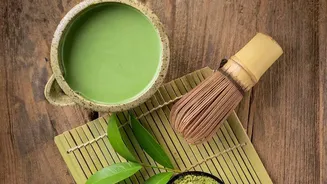
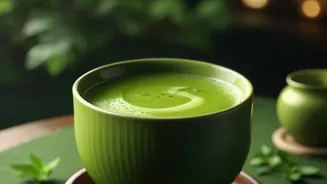
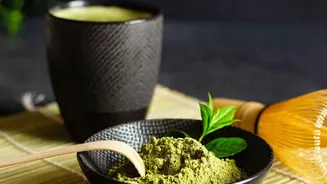
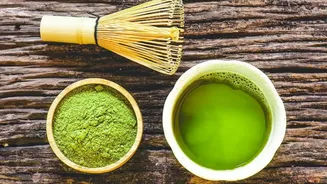
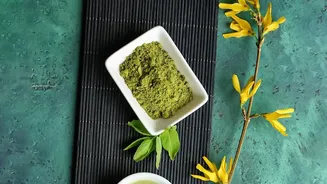
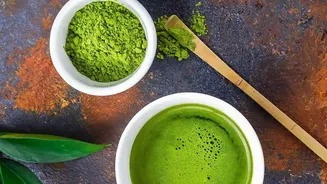
The tradition centres on matcha, a finely ground powder of specially grown and processed green tea leaves. Unlike regular green tea, where leaves are steeped and discarded, with matcha you consume the entire leaf. This results in a fuller, more complex
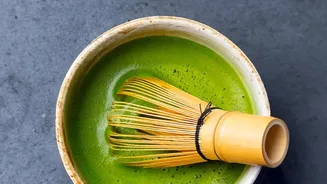
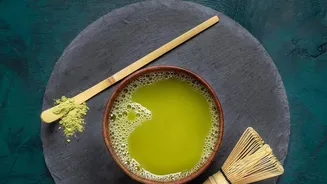
flavour and a higher concentration of nutrients. The preparation itself is a mindful ritual. The bright green powder is traditionally whisked with hot water in a bowl until it becomes a frothy, smooth liquid. Its taste is often described as umami-rich with vegetal notes and a sweet finish, a world away from the familiar spice-infused milkiness of Indian chai.
A Ritual Steeped in History
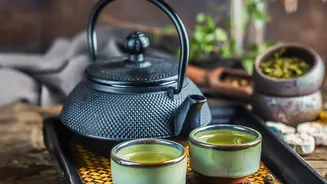
The headline's 800-year claim points to matcha's introduction to Japan in the 12th century by Zen Buddhist monks. They used it to enhance focus and calm during long meditation sessions. Over centuries, this practice evolved into the intricate Japanese tea ceremony known as 'Chado' or 'The Way of Tea'. Guided by principles of harmony, respect, purity, and tranquillity, Chado is more than just drinking tea; it is a spiritual and aesthetic discipline. This choreographed art form, involving specific gestures and utensils in a specially designed tea room, became a cornerstone of Japanese culture, even influencing samurai warriors.
The Green Wave Arrives in India
So why is this ancient practice resonating with Indians now? The answer lies at the intersection of wellness, global exposure, and cafe culture. In a post-pandemic era, there is a heightened focus on preventive health and mindfulness in India. Matcha is rich in antioxidants and L-theanine, an amino acid known to promote a state of 'calm alertness', making it a popular alternative to coffee. Google Trends data from 2026 shows a massive spike in Indian searches for 'how to make matcha' and 'matcha health'. This digital curiosity is translating into real-world demand, with the Indian matcha market projected to grow significantly. For a generation of urban Indians seeking new experiences, its vibrant colour and photogenic quality also make it a social media star.
From Ceremonial Bowl to Cafe Menu
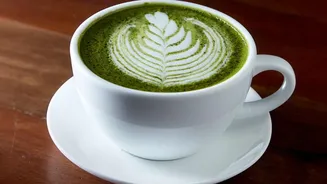
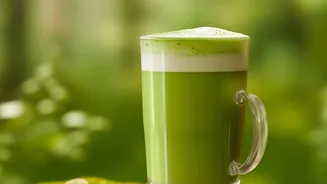
While traditional preparation is gaining traction in homes—evidenced by rising searches for matcha whisks and bowls—the tradition is also being playfully adapted. Walk into a trendy cafe in Delhi, Mumbai, or Bengaluru, and you are likely to find matcha on the menu, but perhaps not as you'd expect. The ceremonial bowl is making way for iced matcha lattes, smoothies, and even desserts like cakes and ice cream. Indians are also giving it a local twist, with searches for 'mango matcha' and 'strawberry matcha' surging. This fusion approach makes the unfamiliar flavour more accessible, blending the ancient Japanese ritual with a modern, globalised Indian palate.