







A Nutrient-Packed Powerhouse
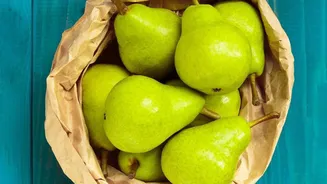
Before we talk about sugar, let's appreciate what makes the nashpati so good for you. This fruit is a fantastic source of essential nutrients. A single medium-sized pear is loaded with dietary fibre, which is crucial for good digestive health. It helps
keep you regular, feeds the good bacteria in your gut, and can make you feel full for longer, which may aid in weight management. Beyond fibre, nashpati provides a healthy dose of Vitamin C for immune support, Vitamin K for bone health, and potassium, which is important for heart and muscle function. It's also packed with antioxidants, including flavonoids in its skin, that help protect your body from inflammation and cellular damage.
Natural Sugar vs. Added Sugar: What’s the Difference?
The word "sugar" often sets off alarm bells, but it's important to distinguish between the types. The sugar in a nashpati is fructose, which occurs naturally. It comes in a complete package with water, vitamins, and, most importantly, fibre. This fibrous matrix is a game-changer. It slows down the absorption of sugar into your bloodstream, preventing the sudden spikes and crashes you get from processed foods. Added sugars, on the other hand, are sugars and syrups put in foods during processing or preparation. Think of the sugar in soft drinks, sweets, and many packaged snacks. These offer calories with little to no nutritional benefit and are linked to health issues when consumed in excess.
The Glycaemic Index Advantage
A key reason nashpati is considered a smart choice, especially for those monitoring their blood sugar, is its low glycaemic index (GI). The GI ranks foods on how quickly they raise blood glucose levels. With a GI value typically between 30 and 40, pears fall firmly in the low category. This means that eating a pear leads to a slow, steady release of sugar into the bloodstream rather than a sharp, sudden surge. This slow release provides more sustained energy and makes it a suitable fruit for many people, including those with type 2 diabetes, when consumed as part of a balanced diet.
Why Portion Size Is Still King
So, if the sugar is natural and low-GI, can you eat as many as you want? Not quite. This is where the headline's advice comes in. While the sugar in nashpati is part of a healthy package, it still contributes to your total daily carbohydrate and calorie intake. A medium pear contains around 101 calories and 27 grams of carbohydrates, which includes about 17 grams of natural sugar. For most people, enjoying one medium-sized pear a day is a perfect portion. This allows you to get all the nutritional benefits without over-consuming sugar or calories. Overeating any food, even healthy ones, can lead to weight gain and other metabolic issues.
Who Should Be Extra Mindful?
While nashpati is a great choice for most, individuals managing specific health conditions should be particularly mindful of portioning. People with type 2 diabetes, for example, can often safely include a pear in their daily diet, but it should be accounted for within their overall meal plan. It's best to eat it as a standalone snack rather than alongside a meal that is already heavy in carbohydrates. Similarly, anyone focused on weight loss needs to remember that the calories from fruit count towards their daily total. The key is balance and ensuring that fruit complements, rather than dominates, a varied and nutritious diet.