


The Science of a Stable Start
To understand how to keep blood sugar steady, it helps to know what makes it spike in the first place. When you eat carbohydrates, your body breaks them down into glucose, which enters your bloodstream. This is a normal and necessary process for energy.
However, refined carbohydrates—like those in white bread, sugary cereals, and pastries—are digested very quickly, causing a rapid flood of glucose. This 'spike' is followed by a 'crash' as your body releases insulin to manage the excess sugar, often leaving you tired, foggy, and hungry soon after. The secret to avoiding this rollercoaster is to slow down digestion. Adding protein, fibre, and healthy fats to your meal does just that. These nutrients act like a braking system, ensuring glucose enters the bloodstream at a slower, more manageable pace for sustained energy.
Your Three Key Breakfast Components
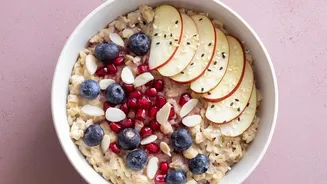
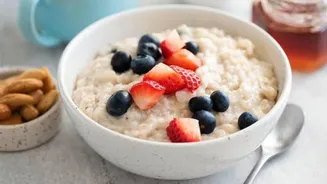
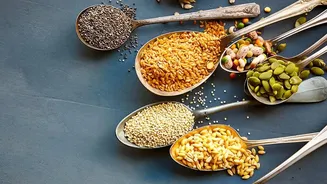
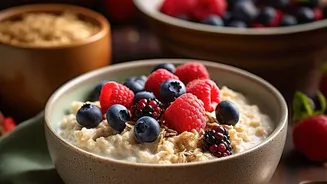
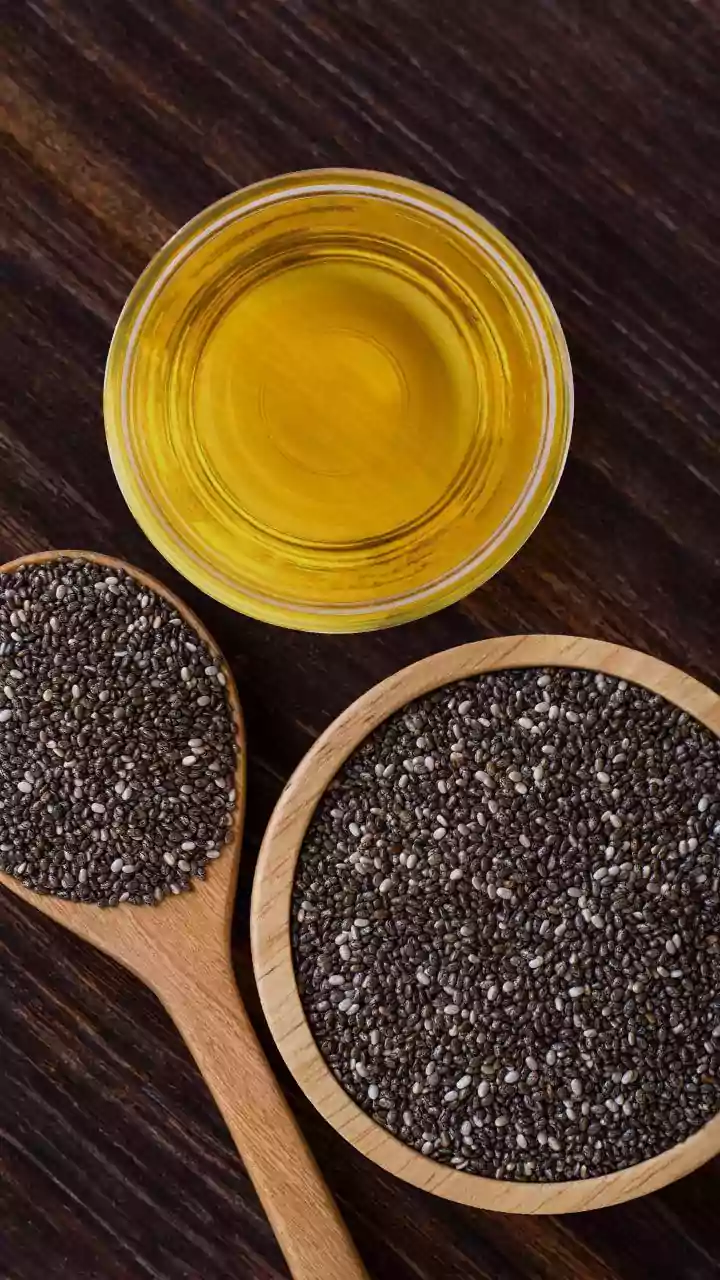
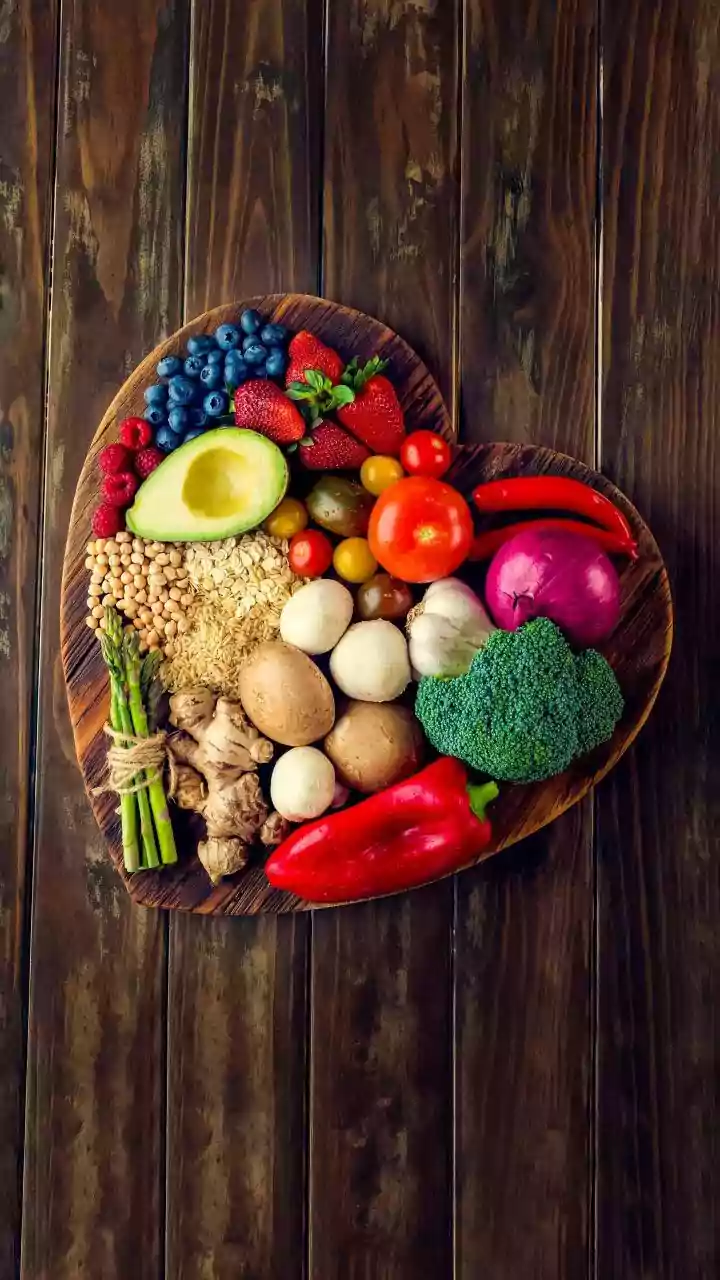
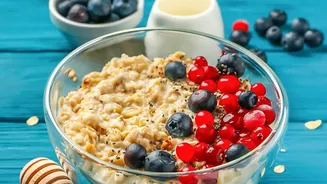
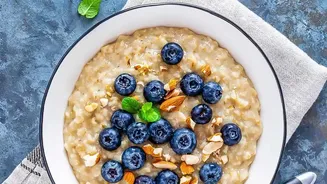
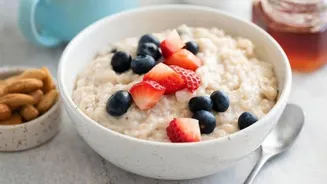
Building a blood-sugar-friendly breakfast is about a simple formula, not complicated recipes. Aim to include a source of protein, fibre, and healthy fat in every morning meal. Protein is the anchor. It slows stomach emptying and has a minimal impact on blood glucose, keeping you feeling full for hours. Great sources include eggs, Greek yogurt, cottage cheese, tofu, and protein powder. Fibre, especially soluble fibre found in foods like oats and chia seeds, forms a gel-like substance in your digestive tract that blunts the absorption of sugar. Other fantastic fibre sources include whole grains, vegetables, berries, and nuts. Healthy Fats also contribute to satiety and slow down digestion. Think avocado, nuts, seeds, and olive oil. Combining these three pillars creates a powerful buffer against blood sugar spikes.
Quick and Simple Breakfast Ideas
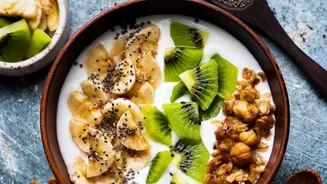
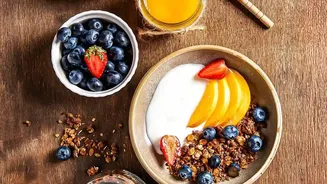
You don't need a lot of time to put these principles into practice. Many balanced breakfasts can be assembled in under 10 minutes. Greek Yogurt Bowl: Start with a base of full-fat, plain Greek yogurt for protein. Top it with a handful of berries for fibre and a sprinkle of nuts or chia seeds for healthy fats and even more fibre. This no-cook meal takes just minutes to prepare. Scrambled Eggs with a Side of Whole-Grain Toast: Eggs are a protein powerhouse. Scramble two eggs (you can even add a handful of spinach for extra nutrients) and serve with a single slice of whole-grain or rye toast. The fibre in the toast provides slow-release carbohydrates. Protein Smoothie: Be cautious with smoothies, as they can easily become sugar bombs. To make one that's blood-sugar friendly, blend a scoop of protein powder with unsweetened almond milk, a handful of spinach or kale, a low-sugar fruit like raspberries, and a source of healthy fat like a tablespoon of nut butter or a quarter of an avocado.
Breakfast Foods to Reconsider
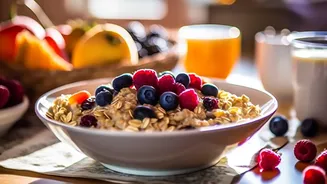
Just as important as knowing what to eat is knowing what to limit. Many traditional breakfast foods are high in refined carbs and sugar, setting you up for that spike and crash. Sugary cereals, even those marketed as 'healthy' granolas, are often loaded with sugar and lack sufficient protein and fibre. Similarly, pancakes or waffles made with white flour and topped with syrup, pastries, muffins, and bagels made from refined flour are digested quickly and offer little nutritional staying power. Fruit juice is another one to watch; it provides all the sugar of fruit without the beneficial fibre that slows absorption. This doesn't mean you can never enjoy these foods, but they shouldn't be your daily go-to if stable energy and blood sugar are your goals.