



A New World of Flavour
For generations, the Indian palate has been defined by a mastery of spices—a complex layering of hot, sour, sweet, and bitter. Now, two new flavour profiles are joining the pantry: the spicy, fermented crunch of kimchi and the salty, umami-rich depth
of miso. Their rise in popularity is driven by a confluence of factors. The global K-wave, including K-dramas and K-pop, has introduced millions of Indians to Korean food culture, sparking curiosity and cravings. Simultaneously, a growing health consciousness has drawn people to fermented foods, known for their probiotic benefits. Both miso and kimchi fit this bill perfectly, offering bold tastes that align surprisingly well with India's love for complex flavours.
From Rasam to Raj Kachori
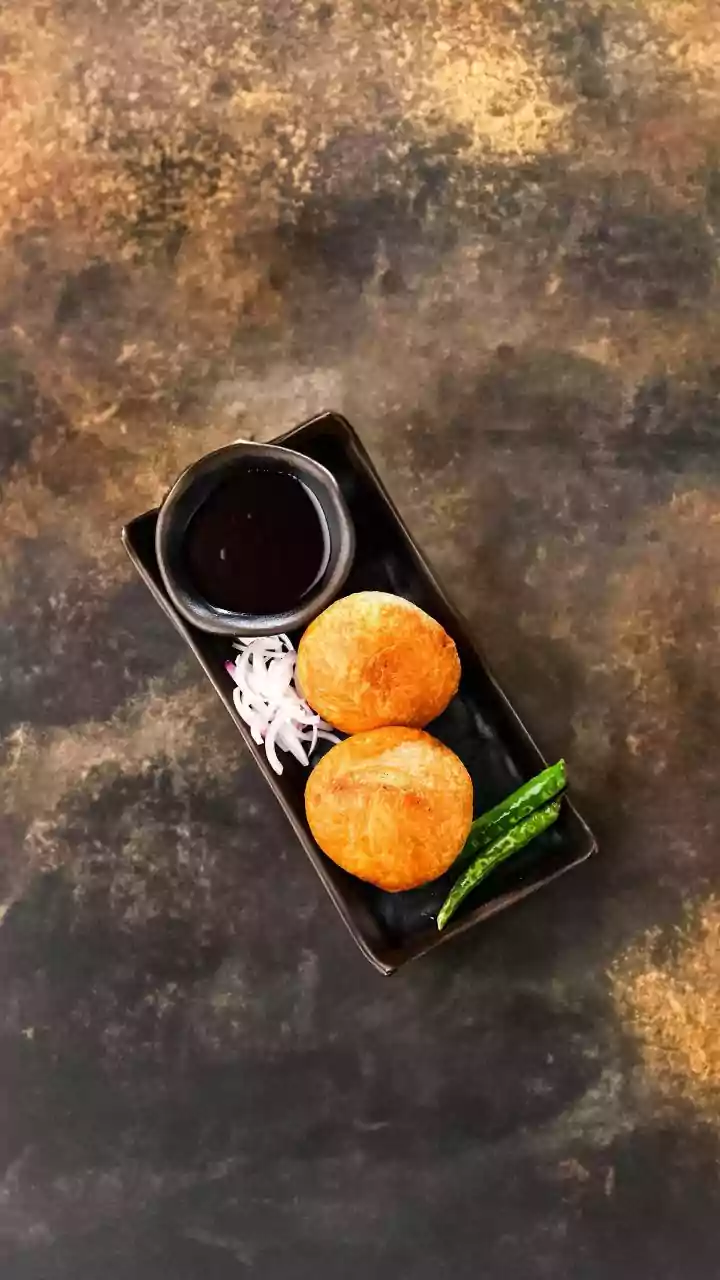
This isn't just about eating Korean barbecue or miso soup in metro cities. The real innovation is happening when these ingredients are integrated into Indian dishes. Experimental home cooks and professional chefs are leading the charge. In New Delhi, one home cook adds miso to her baingan bharta and khichdi to elevate their flavour. In Goa, an artisanal producer known as the 'Miso Boy' creates unique ferments like chana dal soy sauce and cashew miso, giving Japanese techniques an unmistakable Indian accent. At the fine-dining level, restaurants like INJA in New Delhi have built their entire concept on the marriage of Indian and Japanese cuisines. Their menu features dishes like Alaskan Crab Raj Kachori and Lobster Rasam Chawanmushi, which use Japanese precision to highlight Indian flavours in unexpected ways. Other creations popping up include kimchi bhajis with miso chutney and even miso butter naan.
The Indian Touch: More Than an Ingredient
The key to this successful integration is that Indian cooks are not simply swapping ingredients; they are using miso and kimchi as flavour enhancers, much like a traditional masala. They are being adapted to fit the Indian palate. Many online recipes, for instance, show how to make 'Indianised' kimchi, using locally available cabbage, Kashmiri chillies, and replacing fish sauce with vegetarian alternatives to create a taste that is both new and familiar. The goal isn't to replicate a Korean or Japanese dish, but to use the umami from miso or the tangy heat from kimchi to deepen an Indian one. This approach treats these ferments as another tool in the spice box, a way to add a new dimension of savouriness or a sour kick that feels right at home next to tamarind or amchur.
Evolution, Not Erasure
Concerns that such trends might dilute the authenticity of Indian cuisine are understandable, but history shows that Indian food has always been a story of masterful absorption. The chillies that define the heat of our curries and the potatoes and tomatoes that form the base of countless sabzis were all introduced by the Portuguese centuries ago. Over time, they became so integral that it’s hard to imagine Indian food without them. The cuisine’s strength has never been rigid purity, but its remarkable capacity to adopt foreign ingredients and make them entirely its own. The arrival of miso and kimchi is not an erasure of identity but the next chapter in this long tradition of culinary evolution. As one group of chefs notes, modern Indian cuisine is moving past simple fusion and into an era of confident reimagining, where authenticity comes from the story and integrity of the dish, not just the origin of its parts.