





The Spirit of Sawan Feasting
The month of Sawan, or Shravan, is one of the most auspicious times in the Hindu calendar, dedicated to the worship of Lord Shiva. Many devotees observe fasts, particularly on Mondays (Somwar), as a mark of devotion. These fasts, or 'vrat', involve abstaining
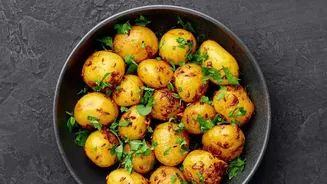
from regular grains, onion, garlic, and certain spices. Instead, the focus shifts to a 'sattvic' or pure diet, which includes fruits, dairy products, and specific vegetables and flours. This culinary discipline isn't about deprivation; it's about consuming light, easily digestible foods that support a state of spiritual focus. Dishes made from potatoes, sabudana (tapioca pearls), and kuttu (buckwheat flour) become staples, providing energy and comfort throughout the day.
Why Aloo Halwa Is Perfect for Vrat
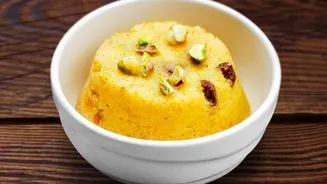
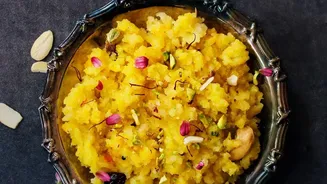
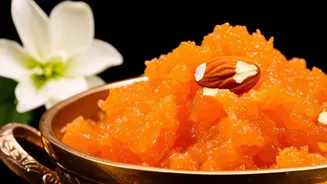
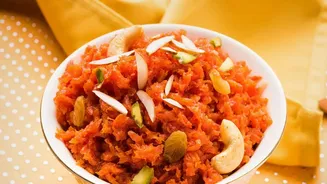
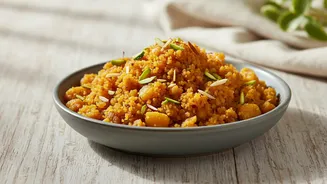
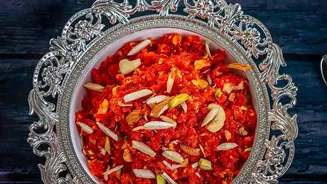
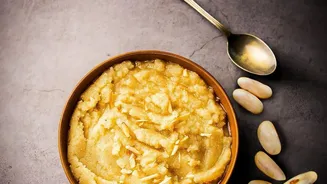
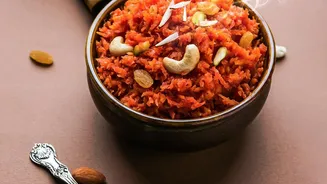
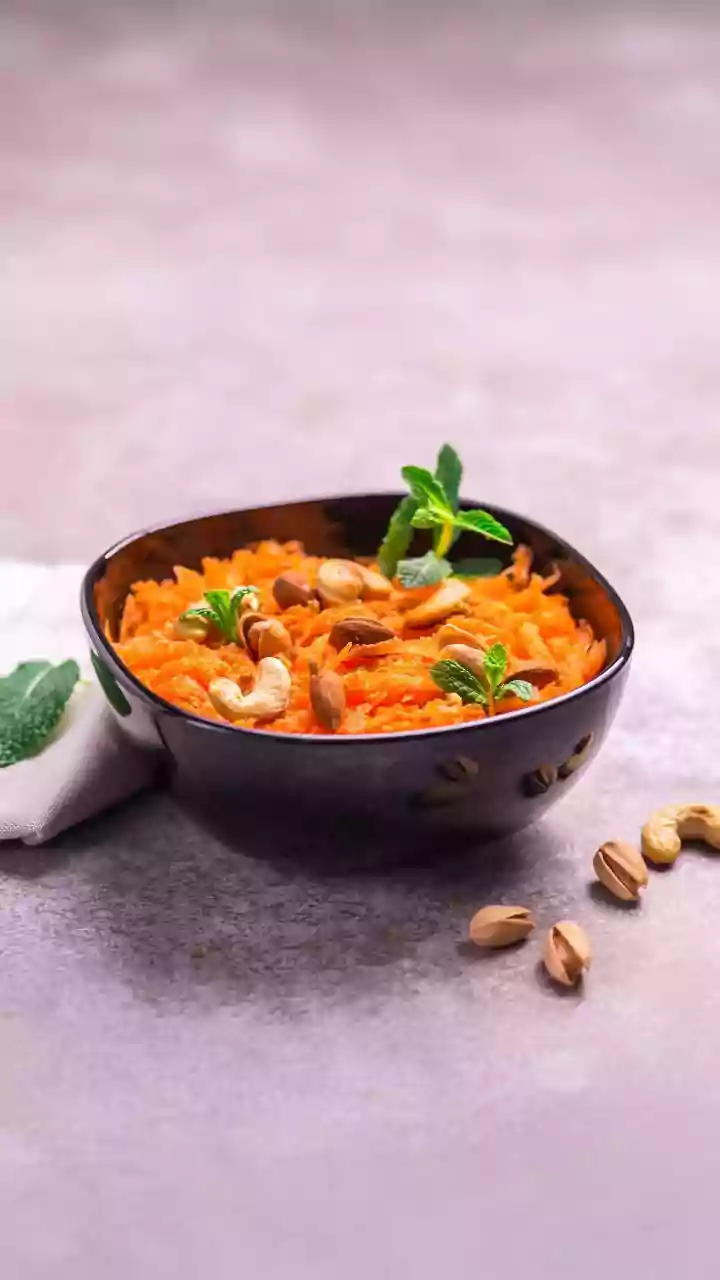
Among the many delicious vrat-friendly recipes, Aloo Halwa holds a special place. This rich, comforting dessert made from potatoes is a North Indian favourite, especially during religious observances. Potatoes are a powerhouse of carbohydrates, which provide sustained energy—a crucial requirement when fasting. Unlike heavier sweets, Aloo Halwa is made with simple, permissible ingredients: potatoes, ghee, sugar, milk, and nuts. It's quick to prepare, incredibly satisfying, and has that melt-in-the-mouth quality that makes it a festive treat for the whole family. Its warm, sweet aroma fills the home, adding to the sacred atmosphere of Sawan.
Gather Your Ingredients
Making this delightful halwa requires only a handful of common kitchen ingredients. You will need approximately 500 grams of potatoes (about 4-5 medium-sized ones), half a cup of sugar (which you can adjust to your taste), and four to five tablespoons of pure desi ghee. For flavour and richness, have half a cup of milk, half a teaspoon of cardamom powder, and a pinch of saffron strands ready. For garnish and a bit of crunch, you'll want two tablespoons of chopped nuts like almonds, cashews, or pistachios. Using rock salt (sendha namak) is permissible if you wish to add a pinch to balance the sweetness, as it is allowed during fasting.
A Few Clear Steps to Perfection
First, boil the potatoes until they are completely soft. Once they cool down enough to handle, peel and grate them. Grating ensures a smooth, lump-free texture for your halwa. Next, heat the ghee in a heavy-bottomed pan over a medium flame. Add the grated potatoes and begin to roast them, stirring continuously for about 10-12 minutes. Be patient during this step; the potatoes will slowly turn a beautiful golden-brown and release a fragrant aroma. Now, add the sugar. As it melts, the mixture will become a bit loose. Keep stirring until the sugar is fully incorporated and the halwa starts to thicken again. If you're using saffron, soak the strands in a little warm milk and pour this fragrant mixture into the pan, along with the cardamom powder. Continue to cook, stirring constantly, until the halwa starts to leave the sides of the pan. This is a sign that it's nearly done. Finally, stir in your chopped nuts, saving some for garnish. Your delicious Aloo Halwa is now ready.
Pro-Tips for a Flawless Halwa
For the best results, always use desi ghee. It imparts an unparalleled flavour and aroma that is essential to this traditional dessert. Roasting the potatoes on a low to medium flame is key; rushing this step will leave a raw taste. Don't be tempted to skimp on the ghee, as it prevents the potatoes from sticking and gives the halwa its rich, glossy finish. While some recipes use mashed potatoes, grating them is a professional tip that guarantees a silky-smooth consistency. For an extra touch of luxury, you can lightly fry the nuts in a little ghee before adding them to the halwa. Serve it warm to enjoy its comforting texture and flavour at its best.