



The All-Important First Step
A Tentative List is essentially a country's national inventory of sites it believes have 'Outstanding Universal Value' and intends to nominate for World Heritage status in the future. Think of it as a formal declaration of interest. Getting on this list
is the mandatory first step; the World Heritage Committee will not even consider a nomination unless the site has already been on its country's Tentative List for at least a year. The Archaeological Survey of India (ASI), under the Ministry of Culture, is the nodal agency that prepares the detailed research and documentation for India's cultural nominations. This initial phase involves extensive participation from site managers, local governments, and community stakeholders.
India's Latest Pipeline Additions
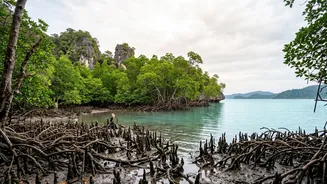
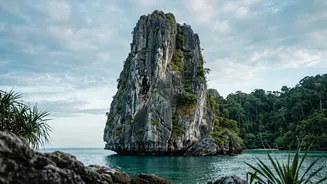
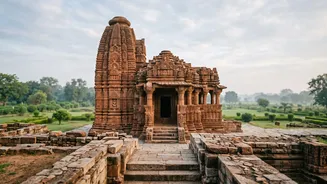
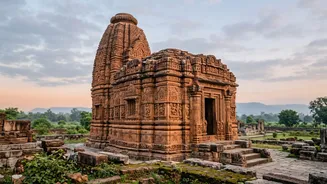
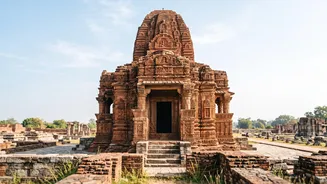
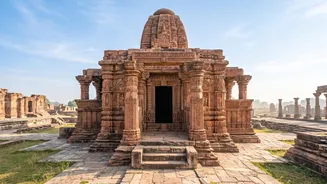
As of late October 2026, India has made several new additions, bringing its total number of sites on the Tentative List to 81. The most recent entries, announced on October 20, include three remarkable locations: the Karst-Mud-Volcano Complex of Baratang and the Andaman Subduction Volcanoes (comprising Narcondam and Barren Islands) in the Andaman and Nicobar Islands, and the Sirpur Cultural and Archaeological Landscape in Chhattisgarh. Earlier in the month, other sites like the Bagh Cave Paintings, the Chambal Valley temples, and the Udaigiri Caves in Madhya Pradesh were also added, showcasing the rich diversity of India's heritage.
From List to Formal Nomination
Once a site is on the Tentative List, the State Party—in this case, India—can prepare a detailed nomination file. This is an exhaustive document that provides comprehensive information, maps, and a deep justification for the site's 'Outstanding Universal Value'. This file is then submitted to the UNESCO World Heritage Centre for a preliminary check to ensure it is complete. This is not a quick process. Countries are encouraged to review their tentative lists every ten years and can plan their nomination strategy based on this inventory. The submission of the list itself does not imply any opinion from UNESCO about the site's merit or legal status.
The Rigorous Evaluation Process
After a complete nomination file is submitted, it undergoes a rigorous evaluation by two independent advisory bodies: the International Council on Monuments and Sites (ICOMOS) for cultural sites and the International Union for Conservation of Nature (IUCN) for natural sites. These bodies dispatch experts to the site and conduct a thorough assessment based on a strict set of criteria. They then provide their recommendations to the World Heritage Committee, an intergovernmental body of 21 elected States Parties. This committee meets once a year to make the final decision: to inscribe the site, to 'refer' it back for more information, or to 'defer' the decision. Sarnath, for example, was on the tentative list for 28 years before its official designation in 2026.
Why The 'World Heritage' Tag Matters
Achieving World Heritage status is far more than just a prestigious title. It brings significant benefits, including international recognition, which often boosts tourism and provides economic advantages to the local area. More importantly, it unlocks access to the World Heritage Fund for preservation, restoration, and training. It also facilitates partnerships between government and private sectors for conservation and holds the host country accountable for the site's protection under international conventions. For a developing country, this can mean crucial access to global expertise and financial assistance to protect irreplaceable treasures for all of humanity.