


The Power of a Protective Style
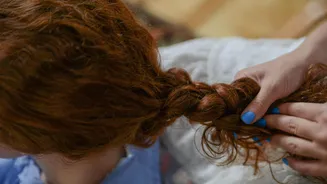
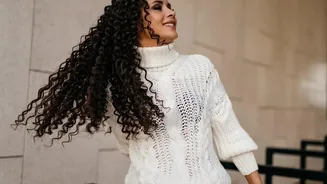
A twist-out is a styling method where damp or dry hair is divided into sections, twisted, allowed to set completely, and then unraveled to reveal a defined wave or curl pattern. Its popularity in the natural hair community comes from its dual benefits:
it’s both a stunning style and a protective measure. By setting the hair in twists, you reduce daily manipulation like combing and brushing, which in turn minimizes breakage and helps with length retention. This low-maintenance approach gives your hair a rest, allowing it to retain moisture and thrive. The process begins with clean, conditioned, and detangled hair to ensure the products can work effectively and to prevent knots.
Essential Products for Success
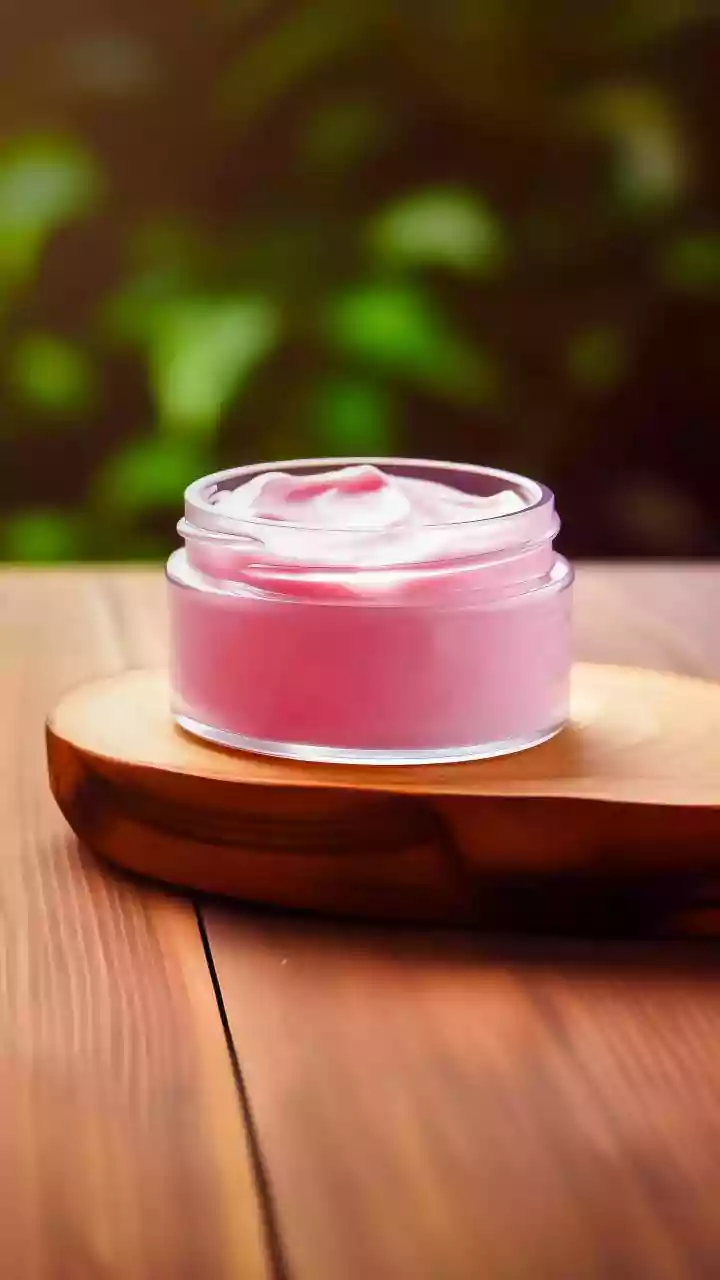
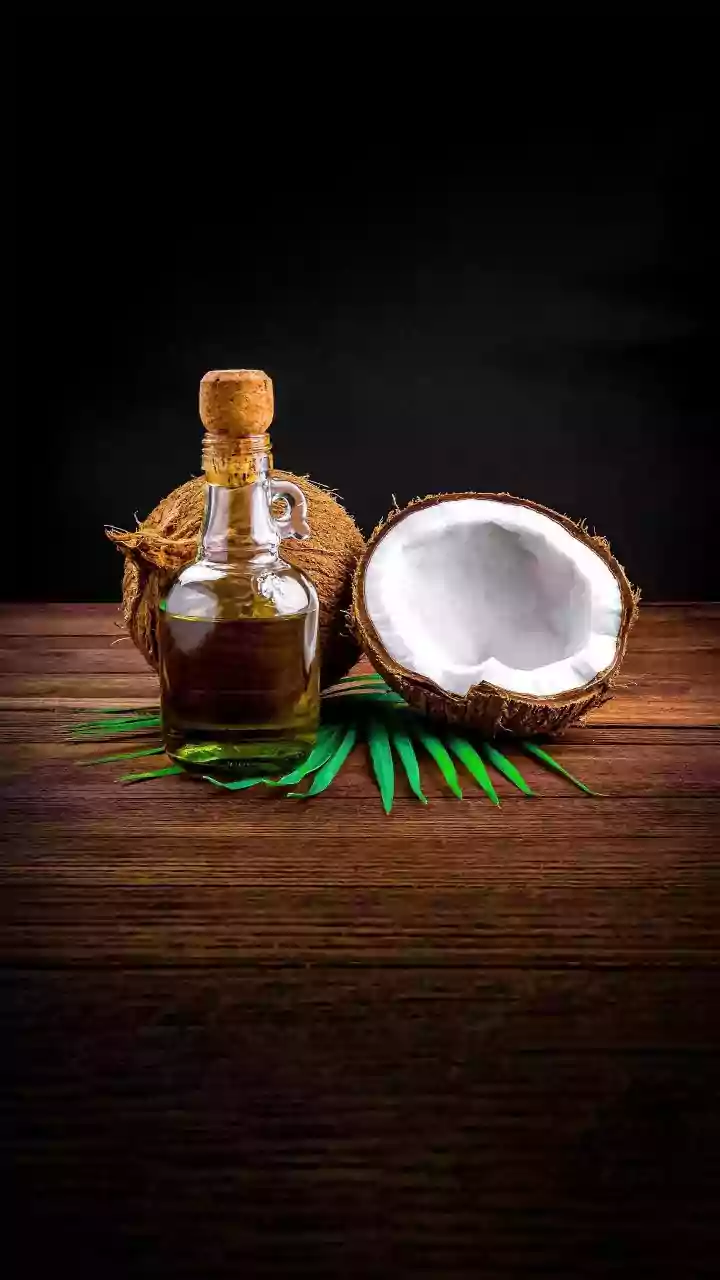
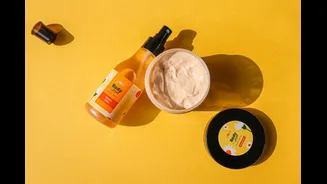
The foundation of a great twist-out is moisture. To achieve a soft, defined, and long-lasting style, experts recommend a combination of products. Start with a water-based leave-in conditioner or moisturizing cream to hydrate the strands. Follow this with a styler that provides hold, such as a curl custard, twisting butter, or a gel. The right product choice depends on your hair's texture and desired finish; creams often provide a softer hold, while gels offer more control, especially in humid weather. Finally, sealing the moisture in with a light oil can add shine and combat frizz when you unravel the twists.
1. The Classic Two-Strand Twist-Out
This is the foundational twist-out and the most common starting point. The technique involves taking a section of hair, dividing it into two equal pieces, and wrapping them around each other from root to tip, creating a rope-like twist. The size of the sections determines the outcome: larger twists create looser, more voluminous waves, while smaller twists result in tighter, more defined curls that tend to last longer. This method is incredibly versatile and works well for most natural hair types, making it the perfect introduction to the world of twist-outs. For best results, ensure the hair is fully dry before unraveling to prevent frizz.
2. The Flat Twist-Out
For those who want more definition at the root and a style that lies closer to the scalp, the flat twist is the answer. Similar to a cornrow, a flat twist is created by twisting two strands of hair flat against the scalp, gradually adding more hair as you move down the section. When unraveled, this technique produces a highly defined, uniform curl pattern that starts right from the scalp. It's an excellent option for creating sleek updos or styles where you want to control volume at the roots. Many find this method quicker to install than individual two-strand twists.
3. The Chunky Twist-Out
If maximum volume and stretched curls are your goal, the chunky twist-out is your go-to style. This look is achieved by creating a smaller number of large, thick twists—perhaps 6 to 12 sections in total for your whole head. Because the sections are larger, the resulting wave pattern is looser and less defined, but it provides significant elongation and a full, fluffy appearance. This is a great time-saving option if you're not looking for super tight curls and want to showcase your hair's length. It's particularly effective on hair that is already dry and stretched.
4. The Mini Twist-Out
On the opposite end of the spectrum is the mini twist-out. This style involves creating many small, thin twists throughout the hair. While it is the most time-consuming to install, it offers the highest level of curl definition and longevity. The resulting curls are tight, springy, and can last for several days with proper maintenance. This technique is ideal for those with tighter coil patterns who want to achieve a very structured and frizz-resistant style, or for anyone seeking a twist-out that can be worn for a week or more before unraveling.
5. The Twisted Updo or Fro-Hawk
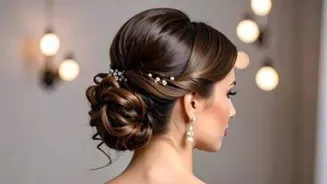
A twist-out is not just a style in itself but also a perfect base for other creative looks. Once your twists are set and defined, you don't have to wear them down. You can easily manipulate your textured hair into an elegant updo, a voluminous puff, or an edgy fro-hawk. By pinning up the sides and leaving the defined curls loose in the center, you can create a striking silhouette. This approach is not only stylish but also serves as another form of protective styling, keeping your ends tucked away and less prone to damage.