

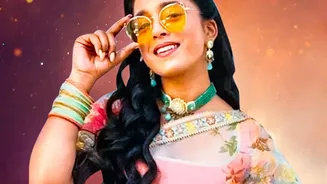
From Occasionwear to Everyday Statement
There’s a quiet but powerful shift happening in our wardrobes. The line between “special occasion” and “everyday” is blurring, thanks to a trend that pairs the rich, narrative-heavy textiles of traditional cultures with the practical, wearable silhouettes
of the modern West. Imagine a tailored blazer cut from shimmering Indian Banarasi silk, a pencil skirt made of vibrant African wax print fabric, or a structured bomber jacket featuring the intricate patterns of a Japanese kimono. This isn't about costume; it's about integration. The goal is to take fabrics that carry deep cultural significance and make them a seamless, beautiful part of a contemporary wardrobe that works for the office, a brunch date, or a casual evening out.
A Global Fabric Story
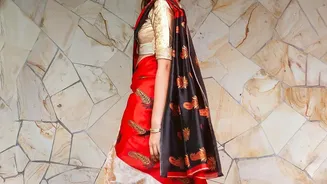
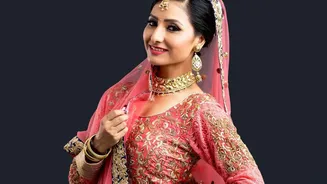
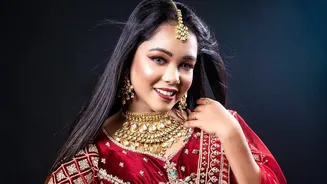
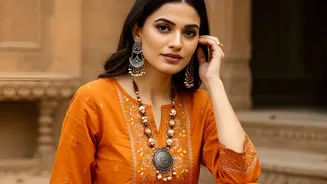
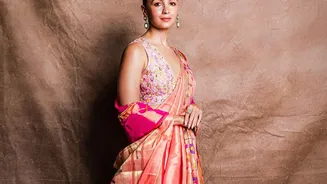
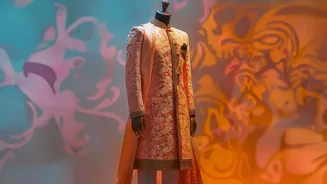
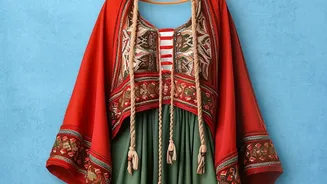
At the heart of this trend are the fabrics themselves, each with a unique history. Indian textiles like Ikat, with its distinctive blurred patterns, and Chikankari, a delicate white-on-white embroidery, are finding new life on Western-style dresses and suits. Similarly, West African kente and ankara prints are being fashioned into everything from streetwear to chic coordinates. Designers are not just lifting patterns; they are celebrating the craft. Many are collaborating directly with artisans in regions like India, Haiti, and Armenia, ensuring that age-old techniques such as block printing, handloom weaving, and intricate beadwork are preserved and honored. This approach gives the final garment a soul, transforming a simple dress or jacket into a wearable piece of art that tells a global story.
More Than a Trend: A Cultural Dialogue
This movement is more than just an aesthetic choice; it’s a form of cultural expression and connection. For many, especially second and third-generation individuals in the U.S., wearing these pieces is a way to connect with their heritage on their own terms. It’s a move away from diluting cultural identity and toward celebrating it openly. Of course, this trend walks a fine line between appreciation and appropriation. The most successful and respectful examples come from designers who engage in genuine collaboration with artisan communities, ensuring fair compensation and giving credit where it’s due. When done thoughtfully, this fusion enriches fashion, creating a dialogue between past and future, and local and global. It proves that style can have soul and substance.
How to Weave It into Your Wardrobe
Incorporating these pieces into your look doesn’t have to be intimidating. The key is balance. Start with a single statement piece and keep the rest of your outfit neutral and simple. For example, pair a richly embroidered jacket with a classic white t-shirt and your favorite jeans. Let a vibrant patterned skirt be the star by pairing it with a simple, solid-colored top. Accessories are another fantastic entry point. A scarf with a traditional motif, a pair of beaded earrings, or a bag made from a unique textile can elevate a simple outfit instantly, adding a touch of cultural flair without overwhelming your look. The idea is to make the piece feel like a part of your personal style, not a costume. By grounding it with familiar staples, you honor the fabric's story while making it your own.