





Foxtail Millet: The Versatile Rice Replacement
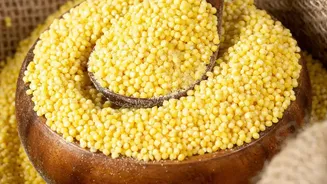
Foxtail millet, known as 'Kangni' or 'Thinai', is often the best starting point for anyone new to millets. Why? Because it’s incredibly versatile and behaves most like the rice we are all used to. The grains are small, round, and yellowish. When cooked,
they have a mild, slightly nutty flavour and a light, fluffy texture that is very similar to couscous or well-cooked quinoa. This makes it an almost seamless substitute in a variety of dishes you already love. You can easily swap rice for foxtail millet in recipes like lemon rice, pulao, biryani, and even curd rice. It is also wonderful for breakfast dishes like upma and porridge. In terms of cooking, it's one of the quicker millets; a 20-minute soak and a 1:2 millet-to-water ratio is usually all it takes to get perfectly cooked grains. Its high protein and fibre content make it a nutritious upgrade to polished white rice.
Barnyard Millet: The Fasting Favourite
Barnyard millet goes by many names—'Samak', 'Sanwa', 'Jhangora', and 'Kuthiraivali'—and is most famous as a 'vrat ka chawal' or fasting grain. It has very small, white, round grains. Unlike foxtail millet, barnyard millet has a more neutral taste and a texture that becomes soft and slightly sticky when cooked, which causes the grains to clump together. This texture makes it less ideal as a direct rice replacement but perfect for dishes where a softer, more cohesive consistency is desired. It’s the star ingredient in fasting-day khichdi, often cooked with potatoes and peanuts. It's also excellent for porridge, kheer, and upma. One of its biggest advantages is its incredibly fast cooking time; it needs minimal soaking and can be ready in under 15 minutes, making it the most forgiving of the three. Nutritionally, it's known for being light on the stomach, easy to digest, and having a low glycemic index.
Kodo Millet: The Hardy and Hearty Grain
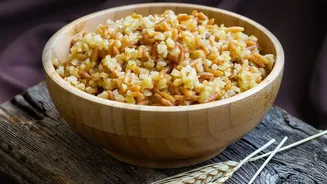
Kodo millet, or 'Kodra' and 'Varagu', is a more robust and ancient grain. The grains are typically larger and darker than foxtail and barnyard, with a brownish hue. It has a distinctly earthy flavour and a much chewier texture, with grains that hold their shape well after cooking. This makes it an excellent choice for dishes like pulao or biryani where you want each grain to remain separate. However, cooking Kodo millet requires a bit more care. It often needs a longer soaking time, at least 30-45 minutes, to soften its tough outer layer and ensure it cooks evenly. Some find it has a slightly bitter aftertaste, but this can usually be avoided by washing it thoroughly and soaking it properly. Its firm texture also makes it suitable for grinding into batters for dosa and idli. It’s celebrated for its high fibre content and its slow release of energy.
A Quick Kitchen Guide
So, how do you choose? Here’s a simple breakdown. For Taste: Go for Foxtail millet if you want a mild, nutty flavour that complements other ingredients. Choose Barnyard millet for a neutral taste that takes on the flavour of spices. Opt for Kodo millet if you enjoy a more distinct, earthy flavour. For Texture: Pick Foxtail for a light, fluffy, and separate grain texture, much like rice. Use Barnyard when you need a soft, slightly sticky texture for dishes like porridge or khichdi. Select Kodo for a firm, chewy grain that holds its shape well. For Best Use Cases: Foxtail is your all-rounder for daily meals, especially as a rice substitute in pulao and upma. Barnyard is your go-to for quick meals and fasting dishes. Kodo is perfect for hearty, spiced dishes, khichdi, and making fermented batters.