


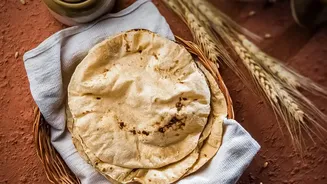
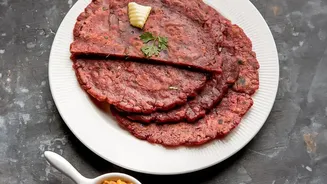
What is Ragi?
Ragi, scientifically known as Eleusine coracana and commonly called finger millet, is a small, reddish-brown cereal grain that has been cultivated in India and Africa for thousands of years. Particularly popular in the southern states of Karnataka, Tamil
Nadu, and Andhra Pradesh, ragi is a hardy, drought-resistant crop that has been a dietary staple for generations. Once labelled as a “poor man’s food,” it is now experiencing a major comeback in urban kitchens as people rediscover its immense nutritional value and versatility. Because the grain is so small, it is typically consumed in its whole, unprocessed form, which preserves its rich nutrient profile.
The Nutritional Powerhouse
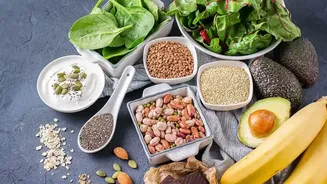
The renewed interest in ragi is no surprise given its incredible health benefits. It is a fantastic source of dietary fibre, which aids digestion and promotes a feeling of fullness, making it a great choice for weight management. Ragi stands out for its high calcium content, boasting several times more than wheat or rice, which is crucial for maintaining strong bones. It is also rich in iron, making it beneficial for preventing anaemia. As a naturally gluten-free grain, it's an excellent option for those with gluten sensitivity. Furthermore, its low glycemic index helps in managing blood sugar levels, making it a favourable food for people with diabetes.
Sweet Ragi Inspirations
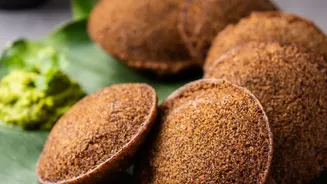
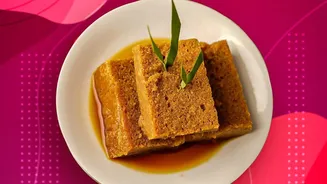
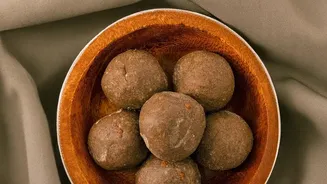
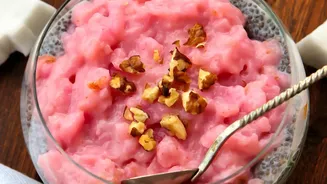
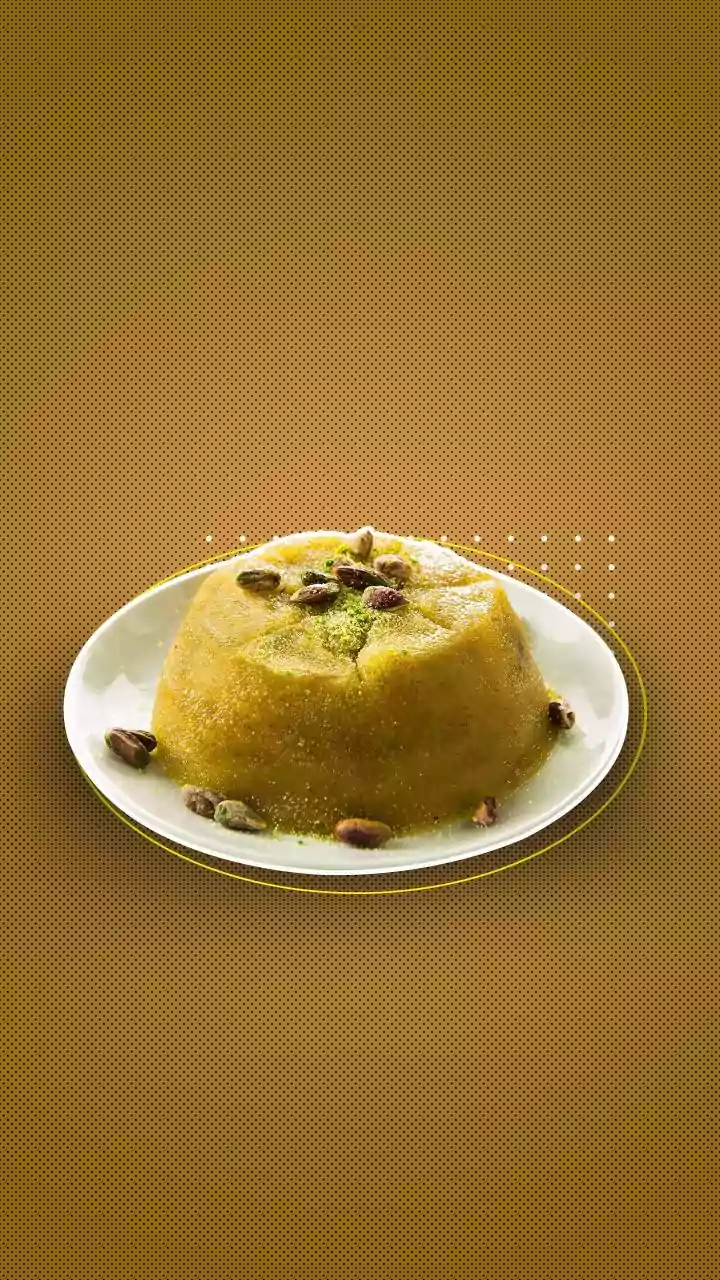
Ragi’s earthy, nutty flavour lends itself beautifully to a variety of sweet dishes. One of the most popular treats is Ragi Ladoo, a quick and healthy sweet made with ragi flour, jaggery, and ghee. Another classic is Ragi Halwa, a rich and comforting dessert where the flour is roasted in ghee and cooked with milk and sugar or jaggery until it thickens. For a healthy breakfast or snack, consider making Sweet Ragi Dosa or pancakes. The batter, often made with ragi flour, jaggery, and a hint of cardamom, creates delicious, instant crepes that are a hit with both children and adults.
Savoury Ragi Delights
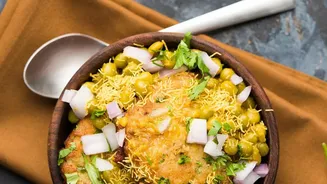
On the savoury side, ragi is just as adaptable. A staple in Karnataka is the Ragi Mudde, a simple, soft ball made from ragi flour and water, traditionally eaten with sambar or a flavourful curry. Ragi Dosa is another beloved South Indian breakfast, which can be made instantly or with a fermented batter for a crispier texture. You can also make wholesome Ragi Roti or adai, a type of flatbread, by mixing the flour with water, onions, chillies, and herbs before cooking it on a tawa. For a light and savoury porridge, Ragi Kanji, made with buttermilk and spices, is a cooling and nutritious option, especially during warmer months.
Getting Started in the Kitchen
Cooking with ragi flour is straightforward. It has a distinct flavour that pairs well with both bold spices and subtle sweeteners like jaggery. When making rotis or dosas, you might find the dough less elastic than wheat, but it is easy to handle with a little practice. The flour can absorb a good amount of water, so it's best to add liquid gradually until you reach the desired consistency. Whether you are making a simple porridge, a crispy dosa, or a sweet halwa, ragi offers a chance to add significant nutritional value and a unique taste to your everyday meals.