




The So-Called 'Sin' of Double Carbing
‘Double carbing’ simply means eating two significant sources of carbohydrates in the same meal. Think pasta with garlic bread, a burger with fries, or in an Indian context, having rice and roti together on the same plate. For years, low-carb diets have
dominated wellness conversations, creating a culture of carb-phobia. This has positioned carbohydrates as the primary enemy of weight loss and metabolic health. The logic follows that if one carb source is 'bad', then two must be a dietary disaster, leading to concerns about rapid weight gain and blood sugar issues. This fear is amplified when the carbohydrates are refined, like white bread or sugary drinks, which can significantly increase a meal's calorie count and glycemic load.
Why Carbs Get a Bad Rap
The primary concern with high-carbohydrate meals is their impact on blood sugar. When you eat carbs, your body breaks them down into glucose, which enters your bloodstream. This signals your pancreas to release insulin, a hormone that helps shuttle glucose into your cells for energy. A large influx of carbs, especially simple or refined ones, can cause a sharp spike in both glucose and insulin. High insulin levels temporarily suppress lipolysis, the process of burning stored fat for energy. Chronic, frequent spikes can, over time, contribute to insulin resistance, a condition where cells become less responsive to insulin, potentially leading to weight gain and an increased risk for type 2 diabetes. This is the core of the argument against double carbing.
It's All About Context and Quality
However, branding all 'double carbing' as unhealthy is an oversimplification. Nutrition science shows that context is everything. The type of carbohydrate, the portion size, and what you eat with it matter immensely. Not all carbs are created equal. Whole grains, legumes, and vegetables are complex carbohydrates rich in fibre. Fibre slows down digestion and the absorption of sugar, leading to a more gradual rise in blood sugar. In contrast, refined carbs (like white flour and sugar) are digested quickly, causing the dreaded spike. Therefore, a meal of whole-wheat roti with a small portion of brown rice and plenty of vegetables is metabolically very different from a plate of French fries with a white-flour burger bun.
The Indian Thali: A Masterclass in Balance?
Look no further than the traditional Indian thali for a lesson in balanced 'double carbing'. A typical thali might feature a small portion of rice, one or two rotis, a bowl of dal (lentils), a sabzi (vegetable curry), and a side of salad or curd. While it contains both rice and roti, it’s a masterclass in food synergy. The dal provides protein and fibre, the vegetables offer vitamins and more fibre, and the curd adds protein and healthy fats. This combination lowers the overall glycemic load of the meal, meaning it has a gentler effect on blood sugar. The problem arises when the balance is lost—for example, a huge serving of rice and potatoes with very little protein or vegetables.
How to 'Double Carb' the Smart Way
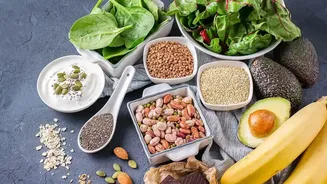
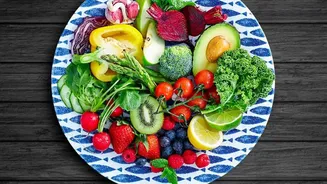
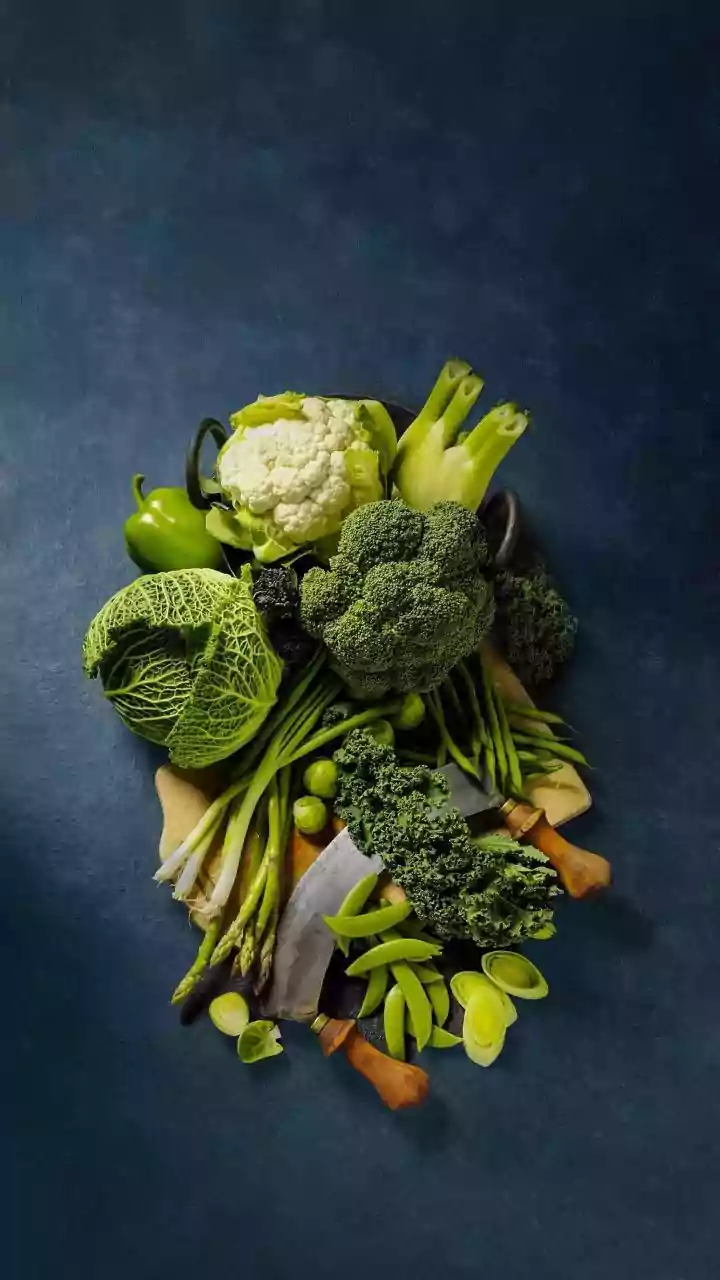
Instead of fearing carbs, the focus should be on building a balanced plate. If you enjoy having two carb sources, there's no need to stop, provided you do it mindfully. Prioritise whole grains like brown rice, whole-wheat roti, or millets. Always pair your carbs with a source of lean protein (like dal, paneer, chicken, or fish) and healthy fats (like ghee, nuts, or avocado). Protein and fat also slow down digestion, promoting satiety and preventing sharp blood sugar swings. Most importantly, fill at least half your plate with non-starchy vegetables. This adds volume, nutrients, and crucial fibre, all while keeping the overall calorie count in check. Lastly, be mindful of portion sizes. Even healthy foods can lead to weight gain if eaten in excess.