






The Myth of Instant 'Hacks'
Social media is full of simple tricks promising to keep pests away. One of the most popular is placing bay leaves in containers of flour and rice. The idea is that the leaf's strong scent, which comes from a compound called eucalyptol, repels insects
like weevils and moths. While there is some truth to this – the smell can be a minor deterrent – it's far from a foolproof solution. Experts note that the repellent effect is often weak and temporary, as dried leaves lose their potency. More importantly, these hacks do nothing to kill eggs or larvae that may already be present in the food from the grocery store. Pests like the Indianmeal moth and rice weevil often enter our homes as unseen passengers in packaging. Relying solely on a bay leaf is like locking the front door but leaving all the windows open.
The First Line of Defence: Airtight Storage
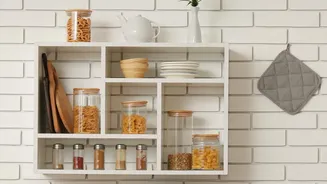
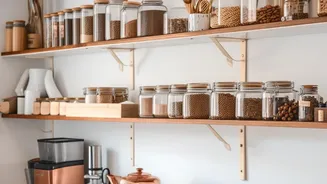
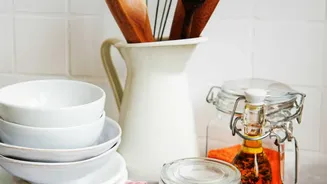
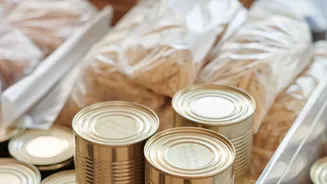
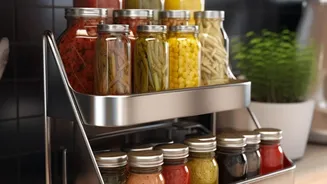
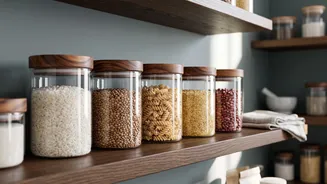
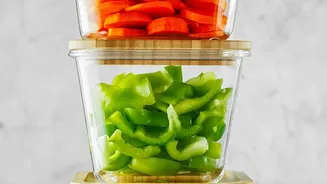
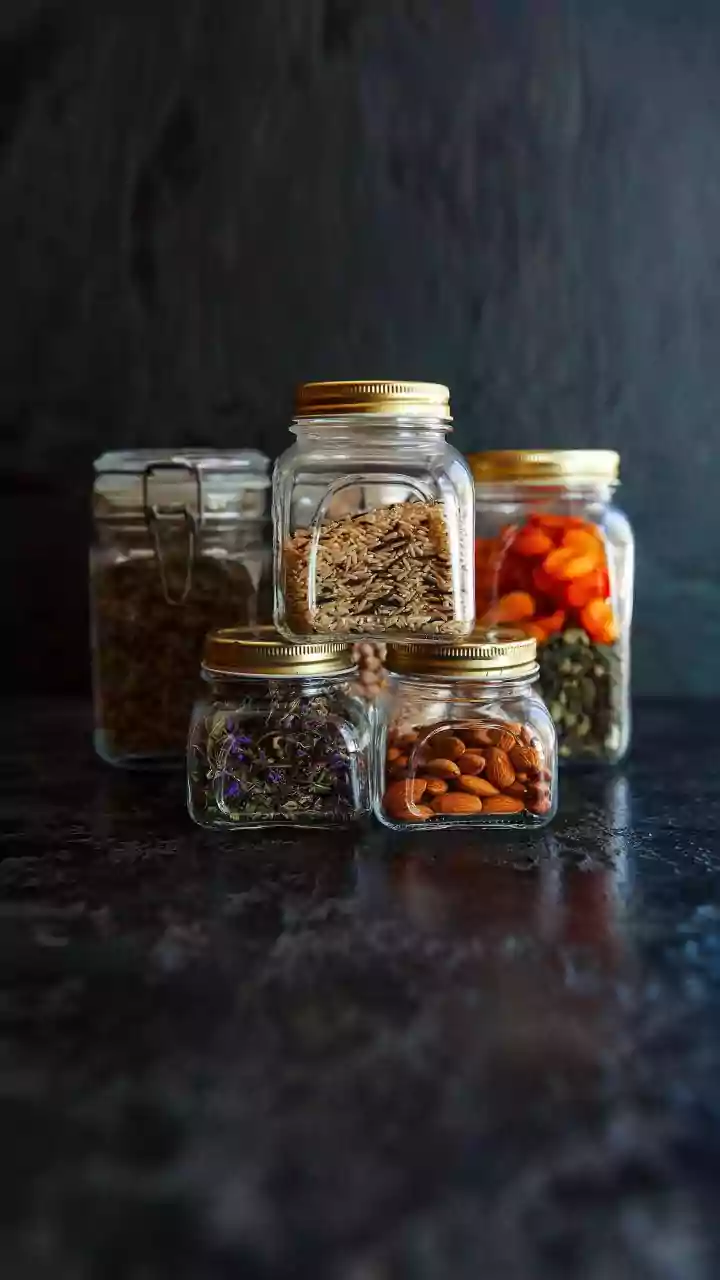
The single most effective step you can take is to store your dry goods in proper containers. Pests can easily chew through paper, cardboard, and thin plastic bags. As soon as you bring items like atta, dal, rice, spices, and snacks home, transfer them into airtight containers made of glass or thick, hard plastic. Look for containers with locking lids and a silicone or rubber gasket, as these create a strong seal that pests cannot penetrate. This not only keeps bugs out but also protects food from moisture, which can cause clumping and mould. By creating an impenetrable barrier, you cut off the pests' food source, making your pantry a much less inviting environment.
Keep It Clean and Dry
Pests thrive in environments with spills, crumbs, and moisture. A consistent cleaning routine is therefore crucial. Aim to wipe down your pantry shelves regularly to remove any food residue or dust. A simple solution of warm, soapy water or a mix of vinegar and water can be effective for cleaning. Spills should be cleaned up immediately. It is also vital to keep the pantry dry. High humidity, especially during monsoon season, creates ideal breeding conditions for many insects. Avoid storing food near heat sources like the stove or in direct sunlight, as warmth can attract pests and accelerate their life cycle. A cool, dry, and dark storage area is always best.
Smarter Shopping and Storage Habits
Preventing an infestation begins at the store. Before buying, inspect packaging for any signs of damage, like tiny holes or tears, which could indicate a pre-existing pest problem. It’s often better to buy smaller quantities of ingredients like flour and spices that you can use up relatively quickly, rather than letting large bags sit for months. When you restock, practice the 'First-In, First-Out' (FIFO) method. This means placing new containers at the back and moving older ones to the front to ensure they get used first. Some people also recommend freezing new bags of flour or grains for a few days upon bringing them home; this can help kill any hidden eggs or larvae before you transfer the contents to your airtight containers.