


What is E20 and Why is it Important?
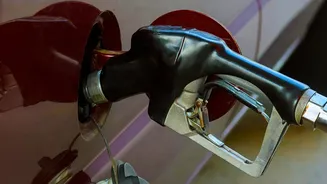
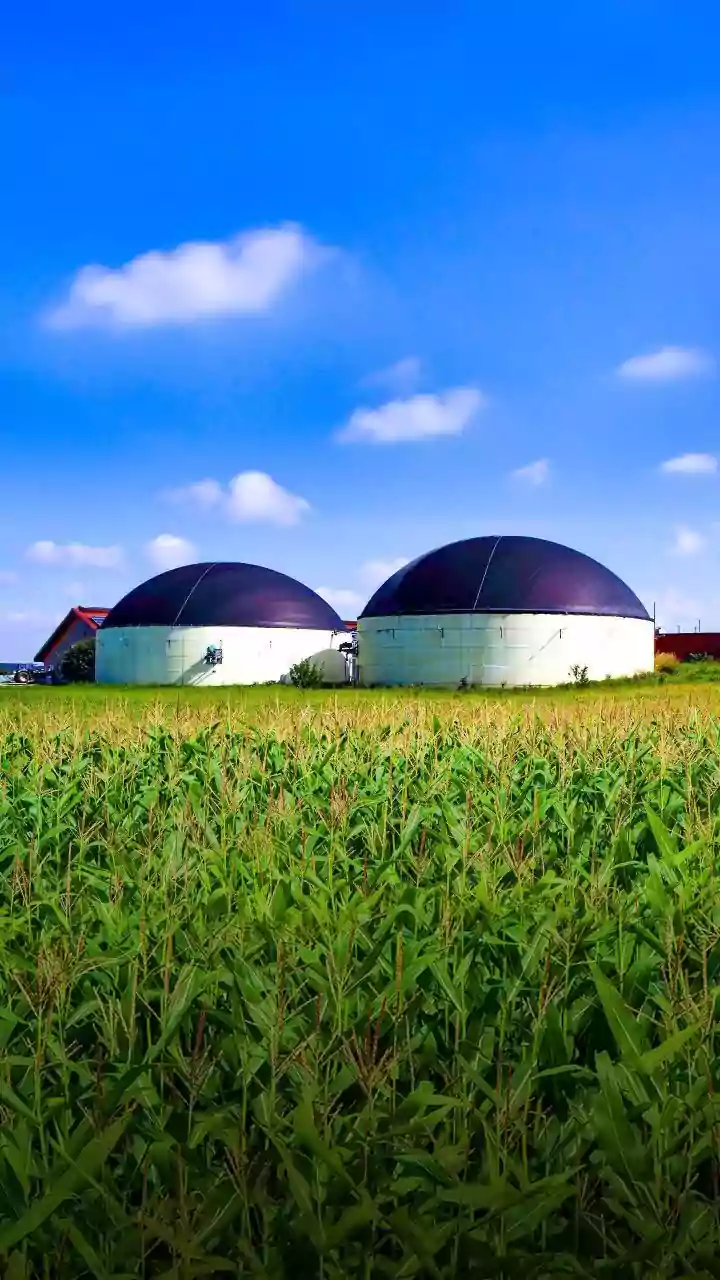
E20 is a fuel blend containing 20% ethanol and 80% petrol. It is the cornerstone of India’s Ethanol Blended Petrol (EBP) Programme, an ambitious initiative designed to achieve several national goals at once. First, it aims to reduce the country’s heavy
reliance on imported crude oil, which currently accounts for nearly 88.5% of consumption. By substituting a portion of petrol with domestically produced ethanol, India saves valuable foreign exchange and gains a greater degree of energy security. Second, the policy is a major pillar of support for the agricultural sector. Ethanol is primarily produced from crops like sugarcane and maize, providing farmers with an additional and stable source of income. Finally, E20 fuel is considered a cleaner-burning alternative to pure petrol, contributing to lower greenhouse gas emissions and improved air quality. The government has aggressively pursued this target, achieving its goal for 20% blending in 2025-26, five years ahead of the original 2030 schedule.
The Source of the Confusion
The recent confusion stems from a public debate around the impact of E20 on older vehicles—those manufactured before 2023 and not specifically designed for a 20% ethanol blend. Concerns about potential impacts on fuel efficiency and engine components led to discussions, including an opinion piece by senior government economic advisors, about whether a lower blend like E10 (10% ethanol) should be made available alongside E20 for these legacy vehicles. This sparked speculation that the government might be considering a complete rollback of the E20 policy. However, officials have been quick to clarify the situation. The Chairman of Bharat Petroleum Corp Ltd (BPCL) stated that while the needs of older vehicles are being discussed, it does not mean E20 will be replaced.
The Government's Firm Stance
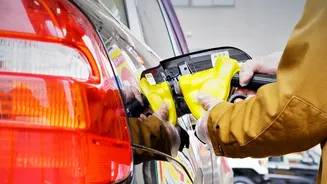
Top government ministers and officials have publicly and unequivocally stated that there is no plan to reverse the E20 policy. Union Minister for Petroleum and Natural Gas, Hardeep Singh Puri, ruled out any possibility of a rethink or rollback. The ministry has argued that reverting to older fuel standards would be a step backward, especially after significant investments of nearly ₹1 lakh crore have been made in creating the necessary infrastructure for ethanol production and blending. Maintaining parallel supply chains for E0, E10, and E20 across India's vast network of over 100,000 retail outlets is seen as logistically complex and costly.
What This Means for Vehicle Owners
If you own a vehicle manufactured from 2023 onwards, it is E20-compliant, and you should face no issues. For owners of older cars, the government and industry bodies assert that E20 is safe. They state that any drop in mileage is typically marginal, around 3-5%, while the fuel offers benefits like a higher octane rating for better engine performance. Automobile manufacturers have also noted that they have not observed widespread, E20-related engine damage in the millions of older vehicles serviced. Concerns about fuel quality have also been addressed through recent nationwide quality-control drives, with authorities temporarily halting sales at pumps where standards were not met to ensure consumer confidence. However, the debate has reached the Supreme Court, with a plea filed to ensure mandatory labelling of ethanol content at all pumps to provide transparency for consumers.