

Start with the Right Peanut
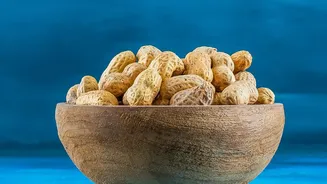
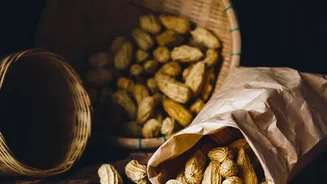
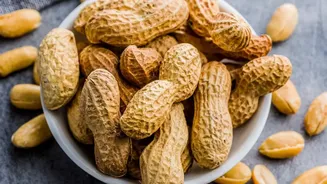
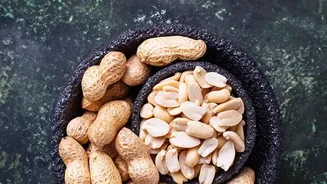
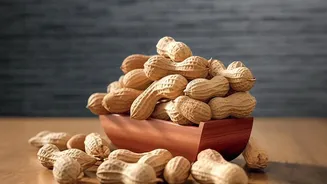
Your journey to crunchy perfection begins at the store. For the best results, you need to start with raw, shelled peanuts. These are peanuts that have been harvested and dried but not yet cooked. You might see them sold with their red skins on, which
is perfectly fine; the skins add fibre and antioxidants. Avoid 'green' peanuts, which are freshly harvested and have a high moisture content suitable for boiling, not roasting. You are looking for dried, raw peanuts which provide the ideal blank canvas for creating that deep, roasted flavour and unmistakable crunch. Some methods even involve brining the raw peanuts in salt water before roasting to season them from the inside out.
The Science of Heat
Heat is the transformative element, responsible for both flavour and texture. Roasting drives moisture out of the nut, which is the primary reason it becomes crunchy. As the peanuts heat up, they also undergo the Maillard reaction, a chemical process between amino acids and sugars that creates the complex, browned, and nutty flavours we crave. The key is steady, moderate heat. An oven preheated to around 175°C (350°F) is ideal. This temperature is hot enough to drive off moisture and trigger flavour development without burning the delicate nut. Spread the peanuts in a single, even layer on a rimmed baking sheet. Overcrowding the pan will steam the peanuts rather than roast them, leading to a disappointing, chewy result.
The Importance of Stirring
This step may seem fussy, but it is non-negotiable. Ovens have hot spots, and the peanuts on the outer edges of the pan will cook faster than those in the center. Stirring the peanuts at least once or twice during the 15-to-25-minute roasting process ensures every nut gets equal exposure to the heat. This promotes even cooking, uniform browning, and a consistent crunch throughout the entire batch. Without stirring, you risk having a mix of burnt, bitter nuts and undercooked, soft ones. Think of it as active quality control. A quick shake or stir of the pan is all it takes to guarantee that every single peanut is on its way to golden-brown perfection.
The Critical Cool-Down
Many home cooks make the mistake of judging the final texture straight out of the oven. However, the process isn't finished when the timer goes off. Peanuts will still be slightly soft when you first remove them from the heat. They continue to cook from residual heat and, most importantly, they crisp up as they cool down. For maximum crunch, transfer the hot peanuts from the baking sheet to a cool surface immediately. Spreading them out on a different pan or a countertop stops the cooking process and allows moisture to escape efficiently. As their temperature drops, the structure of the nut becomes more rigid, creating that signature snap when you take a bite.
Salting and Storing
The best time to season your peanuts is right after they come out of the oven or frying pan. The residual heat and natural oils on the surface of the warm nuts will help the salt adhere properly. You can use regular table salt, but a finer popcorn salt often provides more even coverage. If you used a brining method, you may not need any additional salt. Once the peanuts have cooled completely to room temperature, you can test your handiwork. They should be perfectly crunchy. To keep them that way, store them in an airtight container. Properly stored, your homemade crunchy peanuts can last for a week or more, though it’s unlikely they’ll stick around that long.