






Putting the Numbers in Perspective
The headline figure—more than 2.23 lakh samples—translates to over 223,000 individual food items scrutinized by Indian authorities in the 2025-2026 fiscal year. This effort is spearheaded by the Food Safety and Standards Authority of India (FSSAI), the country's
equivalent of the U.S. Food and Drug Administration. The increase in testing is significant; just a few years ago, in 2020-21, the number of samples analyzed was closer to 107,000. This expansion reflects a concerted effort to tackle a long-standing and complex problem in the world's most populous nation, where an estimated 1.5 trillion meals are consumed annually.
The War on Adulteration
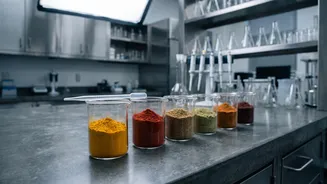
So, what are inspectors looking for? The crackdown targets two main issues: contamination and adulteration. Contamination often involves poor hygiene, leading to the presence of pests like rats and cockroaches in food establishments. Adulteration, however, is a more deliberate act of fraud. It’s a widespread problem where sellers add cheaper, sometimes harmful, substances to products to increase profits. Common examples include diluting milk with water or, more dangerously, with detergent and urea. Spices like turmeric might be cut with industrial dyes, and edible oils can be mixed with cheaper oils. These practices not only cheat consumers but pose significant health risks, from digestive issues to chronic diseases.
What the Inspections Have Uncovered
The results of this intensified effort are eye-opening. During the 2025-26 period, nearly one in five food samples—around 18%—failed to meet safety, quality, or labeling standards. These “non-conforming” samples have led to tangible consequences. In that timeframe, authorities initiated over 31,000 civil cases and secured nearly 2,000 criminal convictions. High-profile raids have been publicized to raise awareness, including one in Uttar Pradesh where officials seized 1,300 kilograms (nearly 2,900 pounds) of adulterated paneer, a popular Indian cheese. The crackdown has affected everyone from small street food vendors to global fast-food chains, some of which have had their licenses suspended for violations.
Why the Big Push Now?
Several factors are driving this regulatory blitz. Rising consumer awareness, fueled by social media, has put pressure on authorities to act against food scandals that frequently go viral. The rapid growth of the processed food industry and online delivery apps has also added layers of complexity to the food supply chain, increasing the need for oversight. Furthermore, there is a growing recognition within the government of the immense public health burden of foodborne illnesses, which are estimated to cause around 100 million cases in India annually. To support this push, the FSSAI is leveraging technology, including mobile testing vans called "Food Safety on Wheels" to reach remote areas and a web-based inspection platform to improve transparency.
A Modernizing Food System
Ultimately, this crackdown is part of a larger story about India's modernization. As the economy grows and a larger middle class emerges, consumers are demanding safer, higher-quality products. The government is responding by strengthening its regulatory framework, not just with inspections but with proposals for clearer front-of-pack warning labels for unhealthy foods and reforms to simplify licensing for small businesses. However, challenges remain. While the number of inspections has soared, the failure rate has remained stubbornly consistent at around 20%, suggesting that enforcement alone may not be enough to solve the root problems. The conviction rate for violations is still low, indicating a long road ahead in ensuring accountability.