

The Heart-Healthy Halo Effect
In the world of wellness, few ingredients have the glowing reputation of oat bran. For decades, it has been touted as a champion for heart health, specifically for its ability to help lower bad cholesterol. This reputation is well-earned and backed by
science. The U.S. Food and Drug Administration (FDA) first approved a health claim for oats in relation to reducing the risk of heart disease back in the late 1990s. The key to this benefit lies in its high concentration of a special type of soluble fibre. This fibre gives oat bran its power, turning a simple bowl of porridge into a functional food that actively works within your body. However, this has also led to a common misconception: that simply adding oat bran to your diet is enough to safeguard your heart. The truth is more nuanced; oat bran is an excellent component of a heart-conscious lifestyle, but it is not a standalone solution.
The Science of Soluble Fibre: Beta-Glucan
The hero ingredient in oat bran is a soluble fibre called beta-glucan. When you eat oat bran, this fibre dissolves in water in your digestive tract, forming a thick, gel-like substance. This gel has a dual-action effect on cholesterol. Firstly, it traps cholesterol-rich bile acids, which are substances your liver produces to aid digestion. By binding to these acids, the beta-glucan ensures they are excreted from your body rather than being reabsorbed. To compensate, your liver must pull more cholesterol from your bloodstream to produce new bile acids, effectively lowering your levels of LDL, or 'bad', cholesterol. Secondly, the gel slows down the digestion and absorption of fats and sugars from your meal, which can help regulate blood sugar levels and contribute to a feeling of fullness, aiding in weight management.
Getting the Dose Right
To achieve a clinically meaningful reduction in cholesterol, studies suggest a daily intake of at least 3 grams of beta-glucan. So, what does that look like in real food terms? While amounts can vary by brand, a typical serving of 40 grams of oat bran (about 3 to 4 heaped tablespoons) will generally deliver the required amount. Some studies have shown that consistent consumption of this amount can lower total cholesterol by 5-15% and LDL cholesterol by 5-10%. It’s important to note, however, that these benefits are most pronounced when oat bran is part of a diet that is already low in saturated fat. Simply adding fibre to an otherwise unhealthy diet won't produce the same powerful results. It's about synergy, not substitution.
A Team Sport for Heart Health
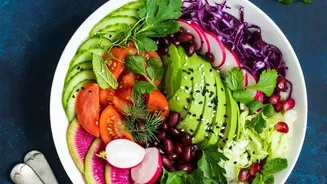
This brings us to the most crucial point: heart health is a team sport, and oat bran is just one of the star players. You cannot rely on a single food to counteract the effects of a poor diet, lack of exercise, or other unhealthy habits. A truly heart-healthy eating pattern, as recommended by major health organisations like the American Heart Association, is comprehensive. It emphasizes eating plenty of vegetables and fruits, choosing whole grains over refined ones, and including healthy sources of protein like fish, legumes, nuts, and lean poultry. It also means limiting processed foods, added sugars, sodium, and unhealthy saturated and trans fats. Oat bran fits perfectly into this framework as an excellent whole-grain choice, but it must be supported by a cast of other nutritious foods and healthy lifestyle choices to truly protect your cardiovascular system.
Easy Ways to Add Oat Bran to Your Indian Diet
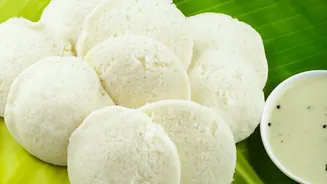
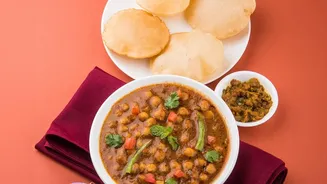
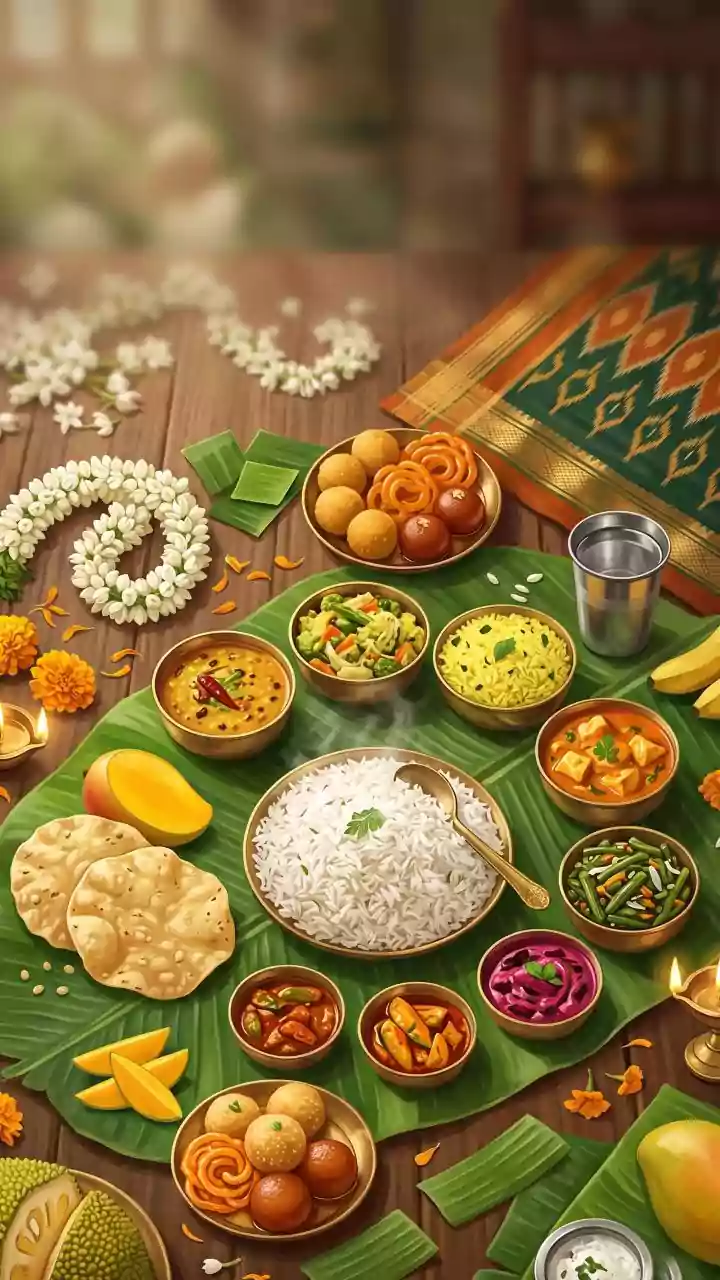
Incorporating oat bran into your daily meals is simple and doesn't require a complete overhaul of your eating habits. Its mild, nutty flavour blends well into many traditional Indian dishes. You can start your day with a warm bowl of oat bran upma, which has a texture similar to sooji (semolina). Consider mixing a few tablespoons of oat bran into the flour when making chapatis or rotis for an easy fibre boost. It can also be stirred into dosa or idli batter, mixed into yoghurt or raita, or used as a thickening agent for soups and curries. For a crunchy element, you can use it as a healthy coating for grilled fish or chicken instead of breadcrumbs. By integrating it into foods you already enjoy, you make it a sustainable and effortless part of your long-term health strategy.