







The IPO Heard Around the World
On June 12, 2026, SpaceX went public in the largest IPO in history, raising an estimated $75 billion and achieving a market capitalization that soared past $1.7 trillion. The event, trading under the ticker SPCX, was a landmark moment for financial markets,
cementing Elon Musk's position and validating the immense investor appetite for the burgeoning space economy. But the IPO's significance stretched far beyond Wall Street. For years, SpaceX has been a private entity, a titan of innovation accessible only to insiders and institutional investors. By going public, the company didn't just offer shares; it offered a piece of the future to everyone, making its ambitious goals—from Starlink internet to missions to Mars—feel more concrete and collectively owned.
From Science Fiction to a Travel Plan
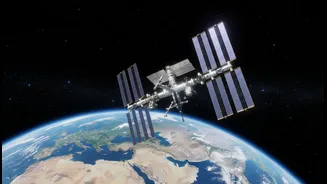
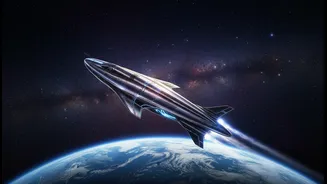
For most of history, space travel was the exclusive domain of government astronauts. The idea of a private citizen going to orbit was pure fantasy. Today, it’s a high-end travel product. Companies like SpaceX, Blue Origin, and Virgin Galactic have created a new ultra-luxury market. While still astronomically expensive—with suborbital flights costing hundreds of thousands of dollars and orbital trips running into the tens of millions—a viable industry now exists. SpaceX has already sent multiple all-civilian crews into orbit, including the Inspiration4 mission and private flights chartered by Axiom Space to the International Space Station. These missions, heavily covered by global media, have steadily moved the concept of space tourism from a theoretical possibility to an established, albeit exclusive, reality.
The Tangibility Effect: Why an IPO Sparks Wanderlust
The connection between a stock market listing and travel demand lies in a powerful psychological shift. An IPO makes an industry feel real, mature, and permanent. When a company as dominant as SpaceX becomes publicly tradable, it sends a signal that the commercial space age has truly arrived. This “tangibility effect” transforms abstract interest into active consideration. Potential customers see a company with a massive public valuation and a ticker symbol, reinforcing its legitimacy and long-term viability. This newfound sense of permanence and public participation appears to be driving a surge in inquiries for space tourism packages, as the dream of space travel suddenly feels more attainable and like a sound, albeit significant, purchase.
Astrotourism: The Boom on the Ground
The impact isn't limited to those booking multi-million dollar flights. The buzz around SpaceX is fueling a related, far more accessible trend: astrotourism. This form of travel focuses on experiencing the cosmos from Earth, and it’s booming. Recent data shows a sharp increase in travelers seeking out dark-sky preserves, observatories, and destinations known for celestial events like meteor showers and auroras. In fact, a 2025 survey showed that 62% of travelers are interested in visiting darker-sky locations. The global stargazing tourism market was valued at $1.82 billion in 2025 and is projected to grow significantly. As light pollution makes a truly dark sky a rarity for much of the world's population, the allure of a pristine view of the Milky Way is becoming a powerful travel motivator in its own right.