







What 'Fast Trains' Mean for Your Commute
The new 'fast' services are not a different type of train, but rather a strategic, limited-stop schedule. These eight additional services—four in the morning and four in the evening—are designed to make the journey quicker by halting at only five key
stations: Sarai Kale Khan, Anand Vihar, Ghaziabad, Begumpul, and Modipuram. This operational tweak significantly reduces transit time for passengers travelling longer distances along the 82-kilometre corridor. For example, the trip between Anand Vihar and Ghaziabad is now cut to a remarkable eight minutes. These services run alongside the regular trains, which continue to operate at a 10-minute frequency, ensuring that passengers travelling to intermediate stations are not affected.
The New Peak Hour Timetable
Targeting the busiest travel periods, the new fast services are scheduled specifically for morning and evening peak hours. In the morning, two fast trains depart from each end of the corridor—Sarai Kale Khan in Delhi and Modipuram in Meerut—at 8:00 AM and 8:30 AM. The schedule is mirrored in the evening, with two departures from both terminal stations at 6:00 PM and 6:30 PM. This means a total of eight new express services are now available for daily commuters. The National Capital Region Transport Corporation (NCRTC) has advised passengers to check display boards and listen to platform announcements to distinguish between the fast and regular services.
Slashing Journey Times Across the Corridor
The primary benefit of these limited-stop trains is the substantial time savings. With fewer halts, the entire journey from Sarai Kale Khan to Modipuram can be completed in under 50 minutes, a notable improvement from the usual 55-60 minutes on a regular service. The time saved on intermediate stretches is also impressive. Commuters can now travel from Anand Vihar to Begumpul in 36 minutes and from Ghaziabad to Begumpul in just 28 minutes. This accelerated pace makes the Namo Bharat service an even more competitive alternative to road travel, which can often take two to three hours during rush hour.
The Bigger Picture: Decongesting the Capital Region
The introduction of these fast trains is part of a larger strategy to promote public transport and ease the strain on the National Capital Region's (NCR) road network. With daily ridership on the corridor already around 1.1 lakh and having recently crossed a milestone of five crore total passenger journeys, the demand for efficient transit is clear. By offering a faster and more convenient commute, the NCRTC aims to encourage more people to switch from private vehicles to the RRTS. This move is particularly crucial in the context of the region's ongoing battles with road congestion and air pollution, offering a sustainable solution for regional mobility.
A Model for Modern Indian Transit
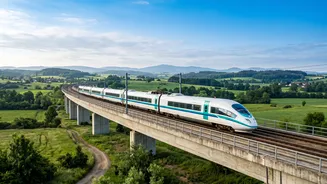
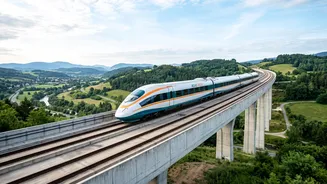
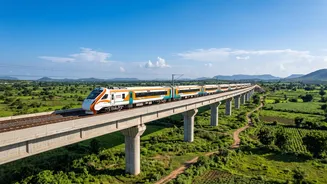
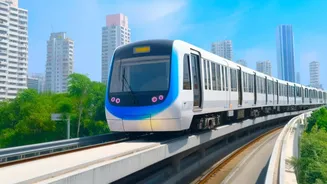
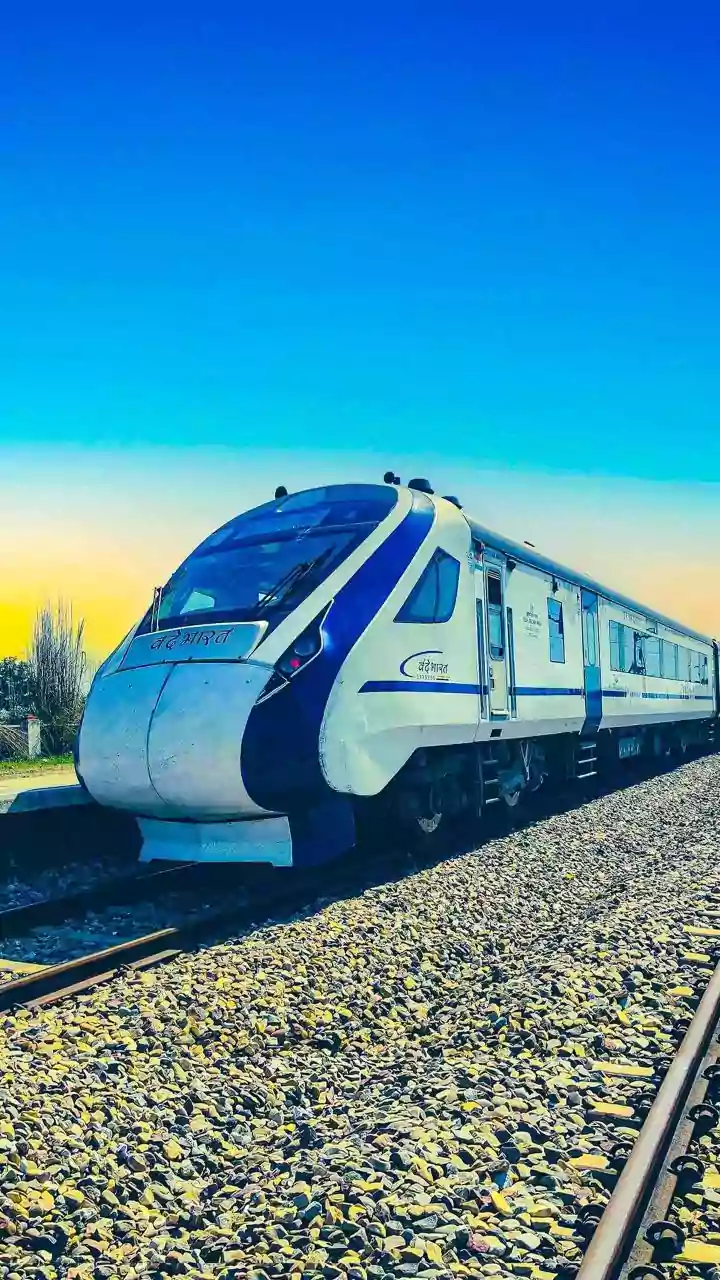
The Delhi-Meerut RRTS, with its semi-high-speed Namo Bharat trains operating at 160 km/h, is India's first Regional Rapid Transit System. This project serves as a blueprint for future regional connectivity across the country. The system is designed to bridge the gap between a conventional city metro and long-distance intercity railways, catering specifically to daily commuters traveling longer distances. The success of this corridor, including service enhancements like these new fast trains, is paving the way for a network of similar projects planned for the NCR, including routes to Panipat and Alwar, aiming to create a truly integrated and polycentric economic region.