







What is a Geographical Indication (GI) Tag?
Think of a GI tag as a certificate of authenticity for products originating from a specific geographical area. Much like Champagne from France or Darjeeling tea from West Bengal, this tag signifies that the product possesses qualities, a reputation, or characteristics
that are essentially attributable to its place of origin. The tag protects the product's identity, prevents misuse or imitation, and often allows producers to command a premium price, sometimes 20-30% higher than non-tagged products. For agricultural communities, a GI tag is not just about prestige; it's a powerful economic tool that can boost incomes and open up global markets.
The Heart of the Cumin Controversy
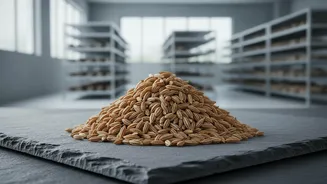
In mid-July 2026, the Geographical Indications Registry in Chennai granted a GI tag for ‘Unjha Jeera’ (cumin) to the Agriculture Produce Market Committee (APMC) of Unjha, a town in Gujarat's Mehsana district. Unjha is globally recognised as India's largest trading hub for spices, particularly cumin. The tag was celebrated in Gujarat as a historic milestone that would protect the authenticity and legacy of their product. However, the decision immediately sparked outrage in the neighbouring state of Rajasthan, which is India's largest cumin-producing state. Farmers and traders there argue the decision is unfair and threatens their livelihood.
Gujarat's Claim: A Legacy of Trade and Quality
From Gujarat's perspective, the GI tag is a long-overdue recognition of Unjha's role as the epicentre of the cumin trade for over a century. The application, supported by various state bodies, argued that the region's specific soil, climate, and traditional processing methods in Unjha give the cumin its unique characteristics. They don't just sell cumin; they have perfected the art of grading, cleaning, and processing it, creating a brand that is trusted globally. The argument is that 'Unjha Cumin' refers to a product that has met the quality standards established in the Unjha market, regardless of where the raw seed might have been grown. The GI registration covers several districts within Gujarat, reinforcing the claim that the state's unique conditions are key.
Rajasthan's Rebuttal: The Land of Cultivation
Rajasthan's farmers have a simple and powerful counter-argument: the product grows on their land. In the 2024-25 season, Rajasthan produced 6.89 lakh tonnes of cumin, significantly more than Gujarat's 4.72 lakh tonnes. A massive portion of the cumin traded in the Unjha market originates from farms in Rajasthan. Farmers there fear that the 'Unjha Jeera' GI tag will be used by traders to devalue their produce, branding it as inferior and paying them lower prices. They contend that a GI tag should be linked to the place of production, not just marketing and trade. They argue that the qualities attributed to 'Unjha Jeera' are just as present in the cumin grown in Rajasthan and that they are being unfairly excluded from the benefits of the tag.
What Happens Next in This Spice War?
The dispute is far from over. Farmers from Rajasthan have voiced their intent to seek revocation of the GI tag, claiming it was secured with misleading information. This conflict highlights a critical ambiguity in the GI law: should a tag be awarded based on where a product is grown or where it is processed and branded? The Unjha cumin case is not unique; similar disputes have arisen over products like the Alphonso mango. The outcome will have significant implications not only for cumin farmers in both states but also for the future of how GI tags are awarded in India. It puts a spotlight on the complex interplay between cultivation, trade, and regional identity in the country's vast agricultural landscape.