



Look Beyond the Obvious
The first rule of finding a quiet beach is to avoid the places you've already heard of. While the central Algarve is stunning, it's also the epicentre of tourism. To escape the crowds, you need to adjust your map. Look towards the rugged western Algarve,
the expansive Alentejo coast, or the dramatic shorelines north of Lisbon. Renting a car is often essential, as many of these gems are located at the end of bumpy dirt tracks or require a short hike, filtering out the masses who prefer easier access. The reward is often a stretch of sand you have almost entirely to yourself.
Praia da Ursa, Sintra
Often called one of Europe's most beautiful beaches, Praia da Ursa remains relatively quiet due to its challenging access. Located near Cabo da Roca, the westernmost point of mainland Europe, this beach is defined by its colossal sea stacks, the 'Bear' and the 'Giant'. Reaching it requires a steep, sometimes slippery hike down a cliffside path, so proper footwear is a must. There are no facilities here—no cafes, no sunbeds, just raw, untamed nature. The journey deters most, ensuring that those who make the effort are rewarded with a truly wild and breathtaking landscape.
Praia do Carvalho, Algarve
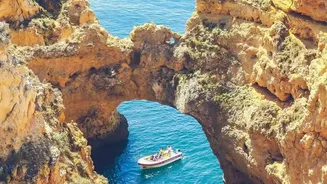
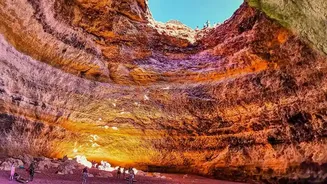
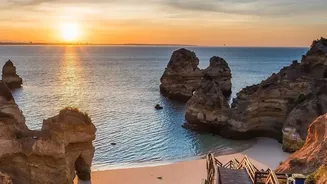
Even in the popular Algarve region, secrets remain. Praia do Carvalho, near Lagoa, is a perfect example. Its most memorable feature is its entrance: a tunnel hand-carved through the limestone cliffs. After descending a set of stairs, you emerge onto a small, sandy cove sheltered by high, rugged cliffs that block the wind. This natural protection makes its waters exceptionally calm and ideal for swimming. While it's no longer a complete secret, its unique access and small size keep it from becoming overwhelmed, offering a much quieter experience than the sprawling resort beaches nearby.
The Alentejo Coast
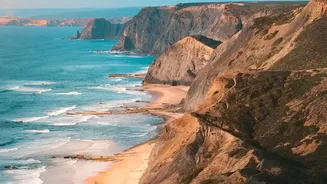
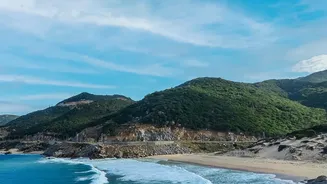
For true coastal wilderness, head to the Alentejo region, located between the Algarve and Lisbon. This stretch of coastline is what the Algarve felt like decades ago—less developed and profoundly wild. Beaches here, like Praia do Malhão and Praia da Samoqueira, are characterized by vast dunes, dramatic cliffs, and a sense of endless space. The area is part of the Costa Vicentina natural park, which has limited development. Towns like Vila Nova de Milfontes and Zambujeira do Mar serve as charming bases for exploring nearby shores like Praia das Furnas, which offers calm river-mouth waters opposite the town.
Praia do Ribeiro do Cavalo, Sesimbra
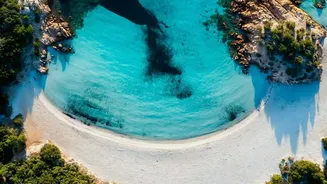
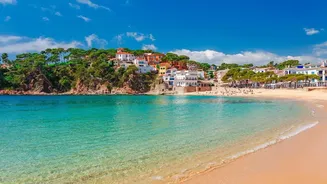
Just south of Lisbon, near the fishing town of Sesimbra, lies a beach that looks almost Caribbean. Praia do Ribeiro do Cavalo is a stunning cove with fine sand and calm, turquoise waters, nestled within the Arrábida Natural Park. Its seclusion is its main draw. Access is either by a 20-minute hike down a steep, unmarked trail or by a short boat taxi from Sesimbra's harbour. The trek keeps the crowds thin, especially on weekdays. With no facilities, you'll need to bring your own water and supplies, but the reward is a slice of paradise that feels a world away from the city.
Berlengas Archipelago, Peniche
For a truly unique beach experience, take a boat trip to the Berlengas archipelago, a UNESCO Biosphere Reserve located about 10 kilometers off the coast of Peniche. The main island, Berlenga Grande, is the only one you can visit, and visitor numbers are capped to protect its delicate ecosystem. The island is home to a 17th-century fort and Praia do Carreiro do Mosteiro, a small beach with incredibly clear, green-hued water nestled near the fishing harbour. The journey by ferry can be rough, but it guarantees an escape to a wild, historically rich island with minimal human intervention.