



Paradise Lost, Capacity Exceeded
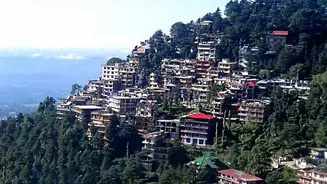
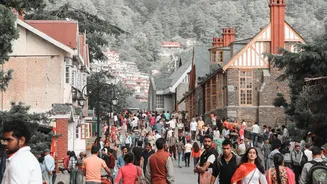
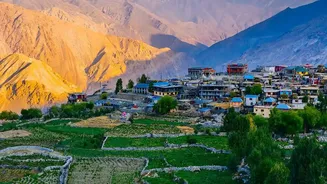
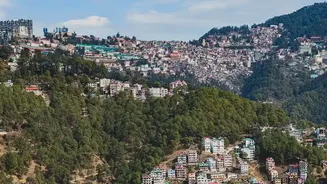
Destinations like Shimla, Mussoorie, Manali, and Nainital are groaning under the weight of their own popularity. Once serene retreats, they now frequently resemble chaotic urban centres, especially during peak tourist season. Shimla, a city built for
a population of 25,000, now supports over 800,000 residents and receives tens of thousands of tourists daily in summer. Nainital, with road capacity for about 3,000 cars, has seen weekends where 50,000 vehicles attempted to enter, forcing police to block entry. This phenomenon, known as overtourism, occurs when the sheer volume of visitors exceeds the destination's capacity to cope, leading to the degradation of the very environment tourists come to enjoy. The scenes of bumper-to-bumper traffic and overflowing markets are not just inconveniences; they are symptoms of a deep, systemic strain.
The Unseen Environmental Toll
The most significant impact of this unchecked growth is on the fragile Himalayan ecosystem. One of the most critical issues is water scarcity. Many hill stations, reliant on natural springs and rainfall, now face acute shortages as hotels and other tourism-related businesses consume vast quantities of water, often leading to rationing for local residents. In Shimla, water crises have become a recurring nightmare, with supply sometimes falling to half the city's daily demand. Waste management is another major challenge. The surge in tourism generates mountains of plastic bottles, food packaging, and other non-biodegradable waste that local systems cannot handle. This garbage often ends up clogging drains, polluting rivers like the Beas, and littering pristine trekking trails, posing a direct threat to wildlife and water sources.
Unchecked Construction and Its Dangers
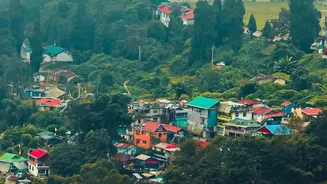
To accommodate the endless demand, a boom in often unplanned and unregulated construction of hotels, guesthouses, and restaurants has taken over. Forests are cleared and slopes are modified without proper geological assessment, disrupting natural drainage patterns and destabilizing the land. This significantly increases the risk of landslides, soil erosion, and flash floods, especially in a region already vulnerable to such natural disasters. The tragic land subsidence in Joshimath and devastating floods in recent years serve as stark warnings of the consequences of ignoring ecological limits in pursuit of short-term economic gains. The traditional architecture using local wood and stone is being replaced by concrete structures that trap heat and prevent groundwater recharge, transforming the very character of these towns.
The Fraying Social Fabric
The pressure of overtourism extends beyond the environment to the local communities. As resources like water become scarce, a tangible tension arises between the needs of residents and the demands of the tourism industry. The cost of living for locals often increases, while the economic benefits of mass tourism are not always shared equitably. Furthermore, the overwhelming influx of visitors can erode the local culture and heritage that gave these places their unique identity in the first place. What was once a home becomes a crowded marketplace, where the peaceful way of life is disrupted by noise, pollution, and the constant hustle. The 'charm' that is being lost is not just aesthetic; it's the cultural soul of these mountain communities.
Is Sustainable Tourism the Answer?
Addressing this crisis requires a fundamental shift from promoting unlimited growth to managing tourism sustainably. Experts and environmental groups suggest several key strategies, starting with enforcing a 'carrying capacity' for each destination—limiting visitor numbers to what the infrastructure and ecosystem can realistically support. This needs to be coupled with robust urban planning, improved waste management systems, and a strict crackdown on unregulated construction. Promoting eco-friendly practices, such as rainwater harvesting, banning single-use plastics, and encouraging tourists to visit less-crowded, 'offbeat' destinations, can also help distribute the load. Initiatives like women-led eco-lodges and community-based tourism, where locals have a direct stake in preservation, show a promising path forward.