

What is an Evening Elongation?
In simple terms, an elongation is the moment when a planet that orbits closer to the Sun than Earth—namely Venus or Mercury—appears farthest from the Sun in our sky. Think of the solar system as a running track. Earth and Venus are in different lanes,
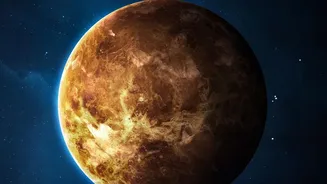
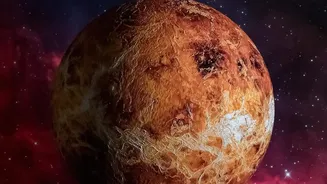
both circling the Sun. Because Venus is in an inner lane, it never strays too far from the Sun from our perspective. It's always seen either trailing the sunset as an "Evening Star" or preceding the sunrise as a "Morning Star." A 'greatest evening elongation' happens when Venus is at its maximum angular distance east of the Sun, causing it to hang brightly in the western sky after sunset. This gives us the best and safest opportunity to view the planet, as it is well clear of the Sun's dangerous glare.
Mark Your Calendar: August 15, 2026
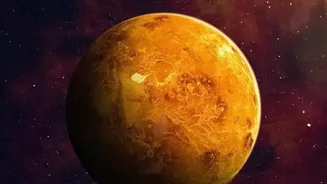
The key date for this celestial event is August 15, 2026. On this day, Venus will reach its greatest evening elongation, sitting a full 46 degrees away from the Sun on the sky's dome. At this point, it will shine with a dazzling magnitude of -4.4, making it the brightest object in the sky after the Sun and Moon. In fact, it will be so brilliant that you can easily spot it in the bright twilight just after the Sun goes down. This event is part of a regular cycle that repeats roughly every 1.6 years, alternating between morning and evening skies. While not exceptionally rare, it marks the peak viewing opportunity for this particular appearance of Venus in our evening sky.
How to Get the Best View
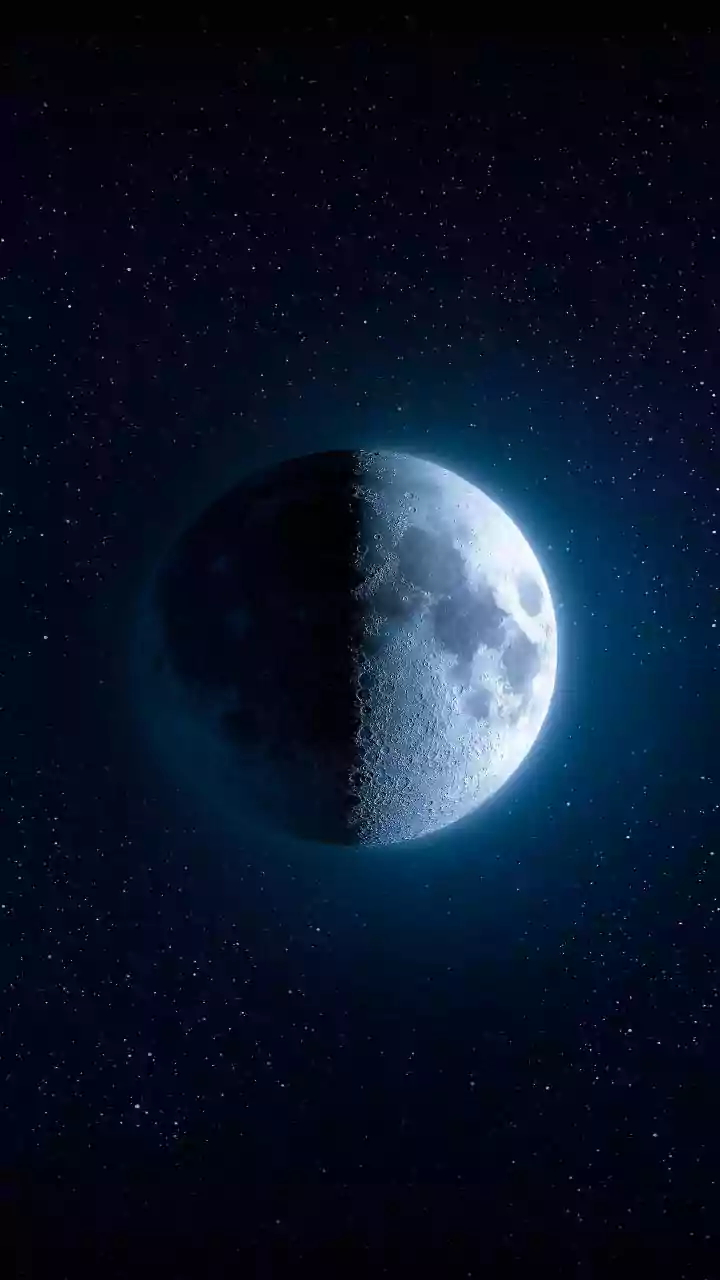
You don't need any special equipment to see Venus. Its sheer brightness makes it impossible to miss. Simply look to the western sky about 30 to 60 minutes after sunset. Venus will be the most prominent point of light there. For those in India, the planet will be well-placed for viewing. While your naked eyes are more than enough, a pair of binoculars can enhance the view, revealing its distinct glow more clearly. If you have access to a small telescope, you'll be in for a real treat. With even modest magnification, you can observe that Venus, like our Moon, goes through phases. Around its greatest elongation, Venus will appear about 49-50% illuminated, resembling a tiny first-quarter Moon.
More Than Just a Bright Light
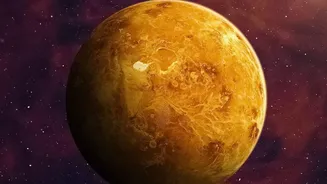
Observing Venus over several weeks reveals its fascinating orbital dance. As it moves from greatest elongation back toward the Sun, its apparent size in a telescope will grow, while its phase will shrink into a thinner crescent. Paradoxically, Venus appears brightest and largest to us when it is in a crescent phase, because at that point it is much closer to Earth. These changing phases were first observed by Galileo Galilei in 1610 and provided crucial evidence that planets orbit the Sun, not the Earth. While its thick, reflective clouds of sulfuric acid prevent us from seeing any surface details, watching the phases change over time is a rewarding project for any budding astronomer.
Earth's 'Evil Twin'
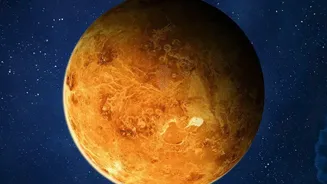
Often called Earth's twin due to its similar size and mass, Venus is a world of extremes. It has the hottest surface in the solar system, with temperatures high enough to melt lead, thanks to a runaway greenhouse effect caused by its thick carbon dioxide atmosphere. The atmospheric pressure at its surface is over 90 times that of Earth's. Interestingly, a day on Venus (243 Earth days) is longer than its year (225 Earth days), and it spins backward compared to most other planets in the solar system. This celestial event offers a moment to appreciate our neighbouring world, a planet named for the Roman goddess of love and beauty, that continues to be a subject of intense scientific curiosity.