



Why Amaranth and Dates?
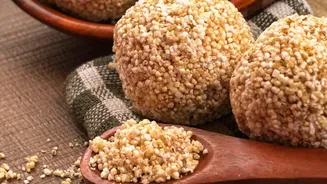
Amaranth is an ancient, gluten-free pseudocereal prized for its impressive nutritional profile. It's a complete protein, containing all nine essential amino acids, and is rich in fibre, iron, and magnesium. This makes it an excellent choice for a filling
breakfast that provides sustained energy. When cooked, it develops a creamy, porridge-like consistency, yet the tiny grains retain a subtle, pleasant pop. Dates, often called 'nature's caramel', are the perfect partner for amaranth. They provide natural, unrefined sweetness along with their own dose of fibre and essential minerals like potassium. Together, they create a balanced bowl that's comforting, healthy, and satisfying, steering clear of the processed sugars found in many breakfast cereals.
Choosing the Right Dates
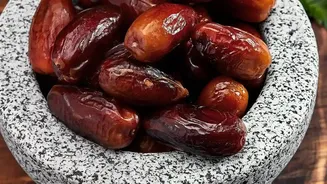
Not all dates are created equal, and your choice can impact the final dish. Medjool dates are large, soft, and have a rich, caramel-like flavour. Their soft, sticky texture means they dissolve beautifully into the warm porridge, infusing it with sweetness. Deglet Noor dates are another popular choice; they are typically firmer, chewier, and have a more subtle, honey-like sweetness. Because they hold their shape better, they are ideal if you prefer distinct pieces of date in your bowl. For a truly decadent experience, Sukkari dates are exceptionally sweet and juicy. Ultimately, the best date is a matter of preference. For this recipe, either Medjool or Deglet Noor are excellent starting points. If your dates feel a bit dry, you can soften them by soaking them in warm water for about 10 minutes before chopping.
The Basic Amaranth Porridge Recipe
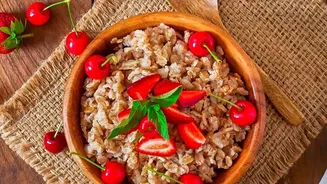
Cooking amaranth is straightforward. The key is the right ratio of liquid to grain and frequent stirring to prevent it from sticking. A good ratio to start with is 1 part amaranth to 3 parts liquid (such as water, milk, or a plant-based alternative). For two servings, combine ½ cup of amaranth with 1 ½ cups of liquid in a small saucepan. Bring the mixture to a boil, then reduce the heat to low, cover, and let it simmer. Amaranth typically takes about 20-25 minutes to cook. You’ll want to stir it every few minutes. The porridge is ready when it's thick and creamy, but you'll notice the individual grains are still defined. It will continue to thicken as it cools.
Incorporating Your Chopped Dates
You have two main options for adding the dates. For a more integrated, caramel-like sweetness throughout the porridge, stir the chopped dates into the saucepan during the last 5-10 minutes of cooking. This allows them to soften and partially dissolve, infusing the entire bowl with their flavour. Alternatively, if you prefer a textural contrast and bursts of sweetness, simply use the chopped dates as a topping after you've portioned the porridge into bowls. This method preserves their chewy texture and distinct flavour. You can even do a bit of both: cook some dates into the porridge and sprinkle more on top for the best of both worlds.
Building Your Perfect Bowl
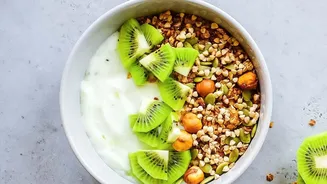
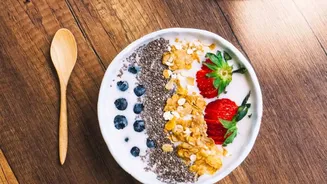
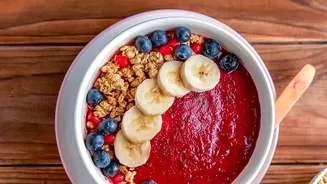
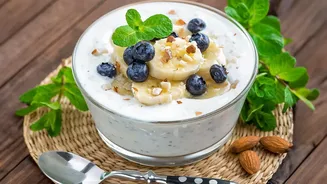
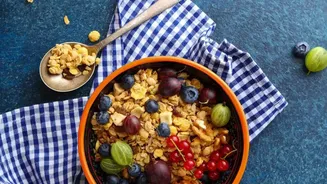
This recipe is a starting point, and the real fun comes with customisation. Think of your bowl in terms of layers of flavour and texture. For creaminess, a splash of milk or a dollop of yogurt works well. For a satisfying crunch, consider adding toasted nuts like almonds, walnuts, or pecans, or a sprinkle of seeds such as chia, flax, or pumpkin. Fresh fruit provides a burst of freshness and acidity to balance the sweetness of the dates; berries, sliced banana, or diced pear are all excellent choices. Finally, a dash of spice can elevate the whole dish. Cinnamon, cardamom, or a pinch of ginger pair beautifully with the flavours of amaranth and date.