






What the Accord Actually Says
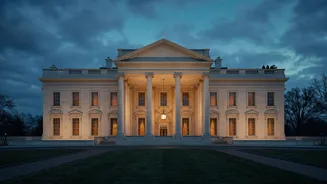
In late September 2026, leaders from Google, Meta, OpenAI, Nvidia, Anthropic, and xAI signed a voluntary agreement with the White House. Dubbed the "White House Accord on Super Intelligence," the commitment focuses on a few key areas. The companies pledged
to implement robust internal safety controls, allow for independent external audits of their systems, and establish board-level oversight for AI safety. The core idea is that firms developing the most advanced "frontier" AI models must take responsibility for building them safely, including testing for cybersecurity and biosecurity risks and ensuring models don't behave in unintended ways.
The Rationale: A Need for Speed
The primary argument for a voluntary accord is speed. Artificial intelligence is evolving much faster than governments can legislate. Crafting detailed laws is a slow, deliberative process, and a rule designed for one generation of AI could be obsolete by the time it passes. A voluntary agreement, in theory, allows for a more nimble approach. Tech companies are on the front lines, giving them direct access to the systems and the ability to identify technical risks faster than an outside regulator could. This approach provides a flexible first step, establishing a baseline of safety practices while lawmakers work on developing more permanent, long-term solutions.
The 'Fox Guarding the Henhouse' Problem
The most glaring criticism of the accord is its reliance on self-policing. Critics immediately pointed to the inherent conflict of interest, arguing that a voluntary, "morally binding" agreement lacks the teeth of actual regulation. Companies are fundamentally driven by profit and competitive pressure, which can easily clash with safety priorities. Skeptics argue that asking the very institutions with the strongest incentive to resist constraints to design and enforce their own rules is a "recipe for disaster." History is filled with examples of failed industry self-regulation, from the financial sector to environmental safety, raising doubts about whether this time will be different.
A Stopgap, Not a Permanent Solution
Even the accord itself hints that it is not the final word on AI governance. The text explicitly states that "Over time, it may make sense to codify these steps into laws or regulations." This suggests the White House views these voluntary commitments as a stopgap measure. It's a way to get the industry on record and establish shared safety principles immediately, buying critical time for a more formal framework to be developed. Both industry leaders and government officials acknowledge that the accord is a starting point, a foundation upon which future, potentially mandatory, rules can be built.
Why This Matters Beyond the US
While the accord was signed in Washington D.C., its implications are global. The companies involved are the world's leading AI developers, and the standards they set—voluntarily or otherwise—will have a ripple effect across the entire digital ecosystem. For countries like India, which have a massive technology user base and a burgeoning AI industry, the safety and ethical standards adopted by these tech giants become de facto global norms. The accord, therefore, sets a precedent for how advanced AI will be managed worldwide, influencing everything from business operations to cybersecurity defenses in interconnected economies.