



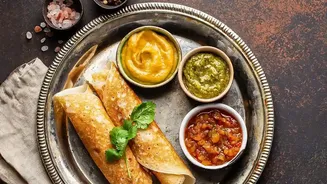

The Unsung Hero of the Indian Breakfast
Chutney is more than just a dip; it's a culinary tool that balances, contrasts, and elevates. Derived from the Hindi word 'chatna', meaning 'to lick', these condiments are designed to be irresistibly delicious. They can be spicy, sweet, tangy, or herbaceous,
but their primary role is to complete the flavour profile of a dish. For breakfasts across India, from a crispy dosa to a fluffy dhokla, the accompanying chutney is not an afterthought but a crucial component that defines the meal's regional identity and taste.
South India: The Holy Trinity for Tiffin
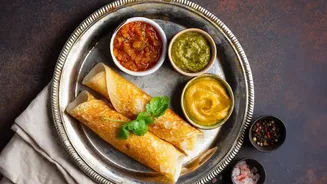
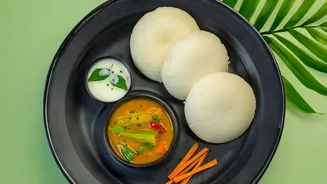
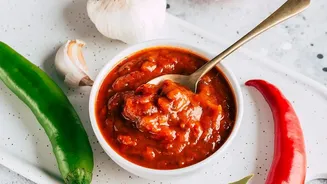
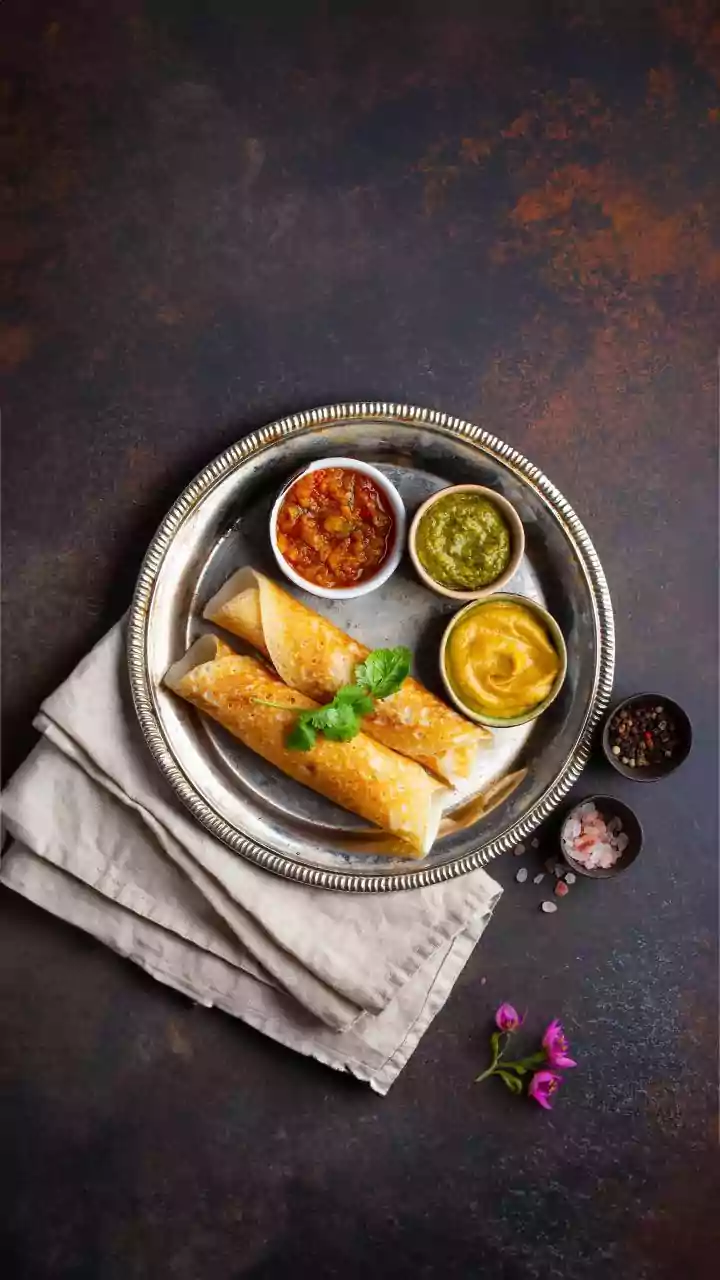
In South India, breakfast or 'tiffin' is almost incomplete without a trio of accompaniments. Soft idlis, crisp dosas, and savoury vadas are typically served with sambar and at least one chutney. The most classic is the white coconut chutney, a creamy and mildly spicy condiment made from fresh grated coconut, green chillies, ginger, and sometimes a hint of tamarind. Its cool flavour perfectly complements the fermented tang of the batter-based dishes. Often joining it is a fiery red chutney, usually tomato or red chilli-based, and a vibrant green coriander or mint chutney, each adding a different dimension of spice and freshness.
Maharashtra: The Fiery Kick for Vada Pav
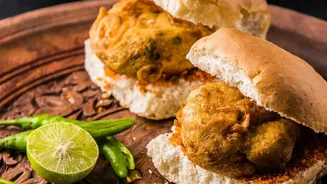
Mumbai's iconic street food breakfast, the Vada Pav, relies heavily on its chutneys to transform it from a simple potato fritter in a bun to a flavour explosion. While a fresh green coriander-chilli chutney is often slathered inside the pav, the real star is the 'sukha lasun chutney' or dry garlic chutney. This is a coarse, spicy powder made from garlic, desiccated coconut, and copious amounts of red chilli powder. It's sprinkled generously over the bun, providing a pungent, fiery kick and a unique texture that has become synonymous with the authentic Vada Pav experience. This dry chutney is also a popular accompaniment for other Maharashtrian snacks.
Gujarat: Sweet and Tangy for Dhokla
Gujarati cuisine is famous for its masterful balance of sweet, savoury, and tangy notes, and its breakfast chutneys are no exception. For snacks like Khaman Dhokla and Fafda, a special green chutney is often served. This condiment frequently includes the usual coriander and green chillies, but with a uniquely Gujarati twist: pieces of dhokla are often blended into the chutney itself, along with a bit of sugar or jaggery and yoghurt, creating a thick, tangy, and slightly sweet dip. Another popular condiment, especially with Fafda, is a yellowish chutney made from gram flour (besan), which has a consistency similar to kadhi and offers a tangy and spicy flavour.
North India: Versatile Condiments for Parathas
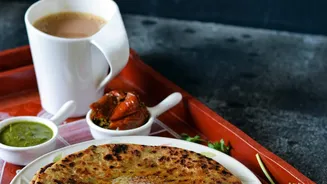
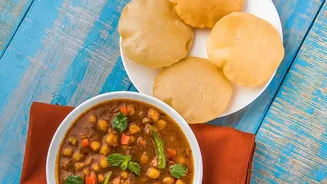
In North India, hearty breakfasts like stuffed parathas and chole bhature call for robust accompaniments. While pickles (achar) and yoghurt are staples, fresh chutneys play a vital role. A simple and refreshing pudina (mint) chutney, made with mint, coriander, ginger, and lemon juice, is a classic pairing that cuts through the richness of fried breads and stuffings. Another common side is a raw onion and tomato chutney, which provides a sharp, tangy bite. For chaat-style breakfasts or with chole bhature, a sweet and sour tamarind chutney (imli chutney) is often drizzled on top, adding a layer of tangy complexity.