




The Buttery Foundation
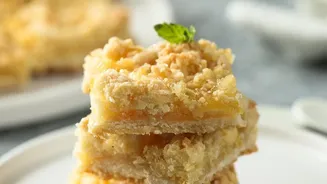
The journey to a great lemon bar begins with its shortbread crust. The goal is a base that is tender and buttery, yet sturdy enough to support the lemon filling without becoming soggy. The secret is in the high ratio of butter to flour. Unlike other doughs,
the fat from the butter coats the flour particles, which inhibits gluten development. Less gluten means a more crumbly, tender, 'short' texture instead of a chewy one. Sugar does more than just sweeten the deal; it adds to this sandy, melt-in-your-mouth quality. Many recipes call for pre-baking, or 'blind baking', the crust. This crucial step ensures the base becomes golden and crisp, creating a perfect structural counterpoint to the soft custard that will soon be poured over it.
The Silky, Tart Star
The filling is where the bright, bold personality of the lemon bar shines. It is essentially a baked custard, and its success hinges on just a few key ingredients: fresh lemons, sugar, and eggs. Freshly squeezed lemon juice provides the signature tartness from its citric acid, while lemon zest contributes aromatic oils for a more intense, complex lemon flavor. Sugar is vital not just for balancing that tartness but for the final texture. It interacts with the egg proteins, preventing them from clumping together too tightly and ensuring the final curd is smooth, not grainy or coarse.
The Chemistry of the Set
So how does that liquid filling become a sliceable, stable custard? It's all about the eggs. When heated, the proteins in the eggs begin to unwind and link together, a process called coagulation. This network of proteins traps the liquid, causing the filling to thicken and set. The acid from the lemon juice actually helps this process along by beginning to 'denature', or break down, the proteins even before heating begins. However, too much acid or heat applied too quickly could cause the eggs to scramble. This is why sugar is so important; it acts as a buffer, raising the temperature at which the eggs cook and allowing for a wider margin of error. The ideal temperature for a set lemon filling is around 77°C (170°F), which creates a texture that is firm enough to cut but remains lusciously smooth and creamy.
A Perfect Union of Opposites
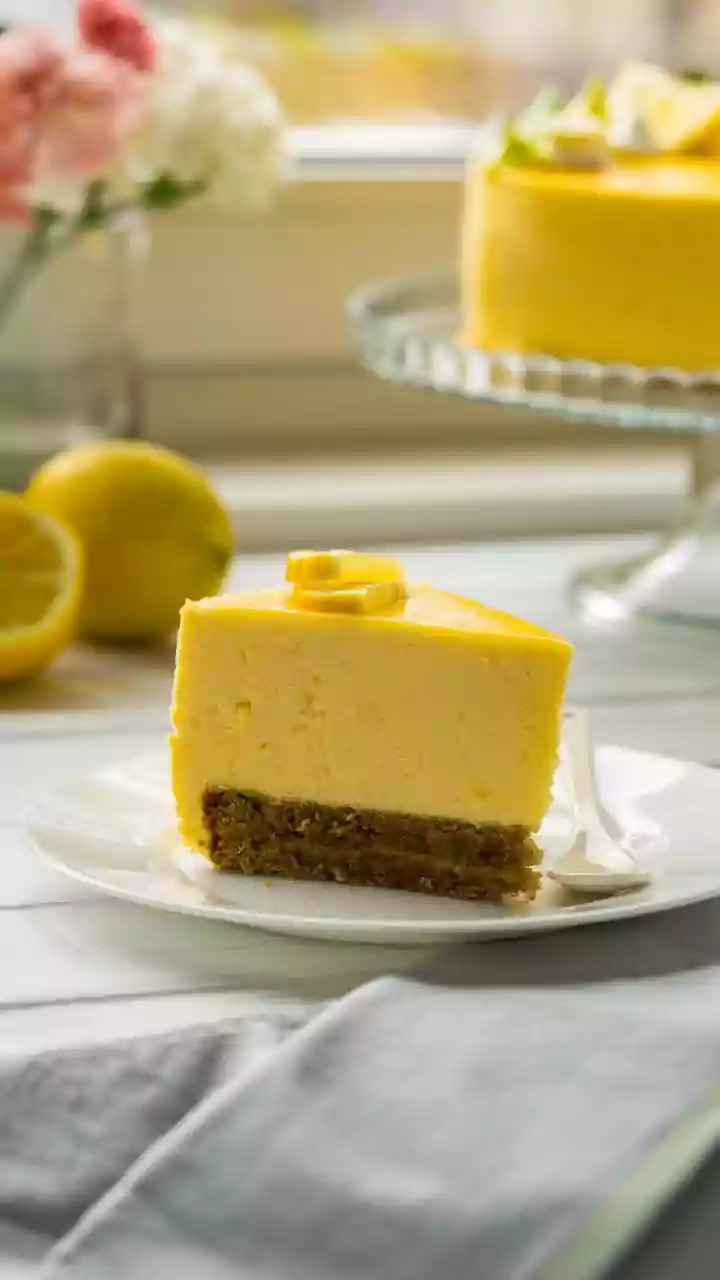
The final, brilliant contrast is achieved when the warm, liquid filling is poured onto the hot, pre-baked crust. This temperature connection helps the two layers bond together. In the oven, the filling gently bakes into a soft, smooth curd while the crust below stays distinct and crisp. The result is a study in contrasts that delights the senses. You get the textural opposition of crumbly against silky. You experience the flavor collision of a rich, buttery base cutting against a sharp, acidic topping. Each component is designed to enhance the other, creating a whole that is far more than the sum of its parts. The buttery richness of the crust mellows the lemon's sharp bite, while the filling’s zesty brightness prevents the shortbread from feeling too heavy.
Tips for Maximum Contrast
To ensure your lemon bars have that signature snap and zing, a few details matter. Always use fresh lemon juice; the bottled variety lacks the bright, volatile oils and can taste dull. Don't overwork the crust dough, as this will develop gluten and make it tough rather than tender. Likewise, avoid overbaking the filling. The bars are ready when the center has a slight wobble, like jelly; it will continue to set as it cools. Finally, patience is a virtue. Letting the bars cool completely at room temperature and then chilling them in the refrigerator for at least two hours is non-negotiable for clean slices and the perfect final texture.