





A New Frontier in Indian Wildlife
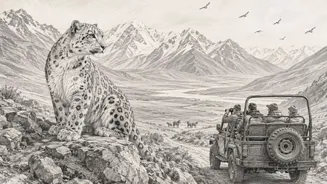
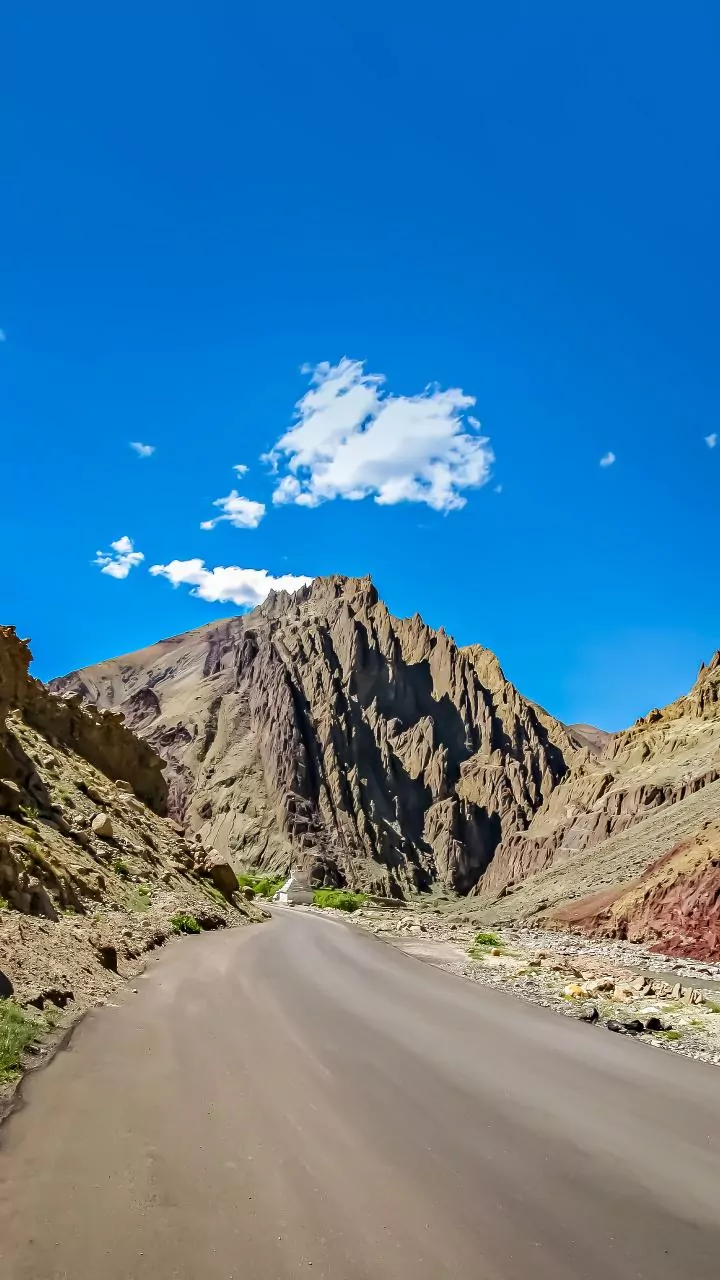
In a landmark move for eco-tourism, Ladakh is launching guided jeep safaris through its stunning high-altitude landscapes. Approved by Lieutenant Governor Vinai Kumar Saxena, this initiative aims to create a structured and responsible way for visitors
to experience the region's unique fauna. The safaris will operate similarly to those in famous national parks like Ranthambore and Kaziranga, using specially designed open-back vehicles. However, the terrain and the wildlife will be distinctly Himalayan, offering a completely new kind of safari experience focused on conservation and community involvement.
On the Trail of the Grey Ghost
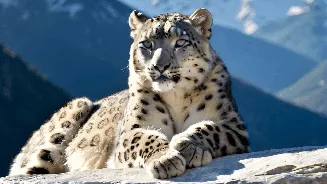
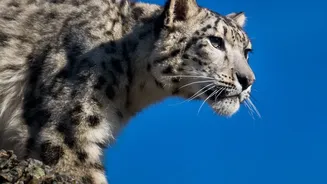
The main attraction for many will be the chance to see the snow leopard, often called the 'ghost of the mountains' due to its elusive nature. Ladakh is the perfect setting for this, as it is home to an estimated 477 snow leopards, the largest population in India. The new safari routes are being planned across key habitats, including Hemis National Park and the Changthang and Karakoram Wildlife Sanctuaries. By creating guided tours, the administration hopes to offer a safer, more informative experience that minimizes disturbance to these magnificent and rare big cats.
A Paradise for Birdwatchers
Beyond the snow leopard, the new safari routes are a dream for avid birders. Ladakh is home to over 340 bird species, many of which are adapted to the high-altitude environment. The initiative includes plans to train 20 local youths as birding guides and establish 10 dedicated birdwatching hides in key hotspots. This focus on avian life means that visitors can look forward to spotting rare species while contributing to a tourism model that values and protects the region's entire ecosystem.
Exploring the Safari Circuits
The Forest Department is currently exploring and finalising the exact routes, but several key areas have been identified. Potential circuits will wind through Hemis National Park, famous for its dense snow leopard population, and wildlife sanctuaries in Changthang and Karakoram. Other wildlife-rich areas to be included are Nubra, Zanskar, Sham, Kargil, and Drass. Each of these regions offers a unique glimpse into the diverse ecosystems of Ladakh, from stark cold deserts to hidden valleys teeming with life.
Planning Your Himalayan Safari
While bookings are not yet open, the safaris are expected to launch before the winter of 2026, which is the prime season for snow leopard sightings. Planning a trip to this high-altitude region requires preparation. Acclimatisation to the altitude is crucial, and visitors should be prepared for cold weather, especially during the winter months. The initiative will rely on trained local drivers and guides, ensuring that tourist revenue directly supports the communities living alongside this precious wildlife. This project is being driven by the newly formed SHAN Conservation Society, which puts community participation at the core of its mission.
Responsible and Sustainable Tourism
At its heart, this initiative is about more than just tourism; it's a model for conservation. One of the primary goals is to prevent illegal off-roading and unregulated tourist activity that can harm the fragile mountain environment and disturb wildlife. By bringing local communities into the fold as stakeholders, the project aims to create a sustainable economy where protecting wildlife becomes a source of livelihood. This approach ensures that the beauty of Ladakh can be shared with the world in a way that is respectful, responsible, and beneficial for all.